


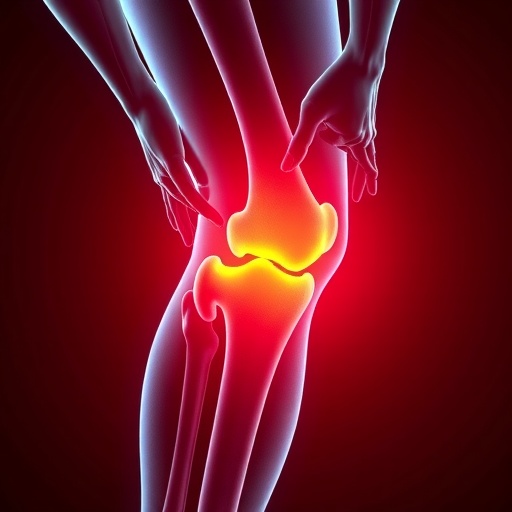
Recent advances in the field of molecular biology have unveiled a compelling connection between exercise responsiveness and osteoarthritis, a degenerative joint disease that affects millions worldwide. In a groundbreaking study published by Wang, Lu, Zhou, and colleagues, three critical biomarkers have been identified: COL8A2, MICAL2, and TNFSF10. This multi-omics integration research sheds light on the intricate molecular pathways that link physical activity with joint health, offering new hope for effective interventions in osteoarthritis management.
Osteoarthritis is characterized by the gradual degeneration of cartilage and changes in the underlying bone, often leading to pain, stiffness, and reduced mobility. Traditional treatment approaches primarily focus on symptom management through analgesics, anti-inflammatory drugs, and, in severe cases, surgical interventions. However, the underlying genetic and molecular factors contributing to this disease have remained elusive. The identification of biomarkers associated with both exercise response and osteoarthritis could revolutionize our understanding of the disease and pave the way for innovative therapeutic strategies.
In their study, the authors utilized an extensive multi-omics integration approach, combining genomic, transcriptomic, and proteomic data to elucidate the biological mechanisms at play. This comprehensive strategy enabled the researchers to analyze vast datasets and illuminate the interplay between exercise and osteoarthritis at multiple levels. The significance of COL8A2, MICAL2, and TNFSF10 as potential biomarkers associated with both exercise response and osteoarthritis was firmly established through rigorous statistical analyses, highlighting their importance in the context of joint health.
COL8A2, a collagen gene, was found to be intricately linked to cartilage structure and integrity. Given that collagen is a primary component of cartilage, alterations in COL8A2 expression are likely to have profound implications for osteoarthritis progression. The research demonstrated that increased expression of COL8A2 in response to physical activity may promote cartilage repair and resilience. This insight suggests that interventions aimed at enhancing COL8A2 expression could offer new avenues for osteoarthritis treatment.
Similarly, MICAL2 emerged as a key player in the molecular landscape connecting exercise and joint health. This gene is implicated in several cellular processes, including cytoskeletal organization and cell signaling. The study’s findings proposed that MICAL2 not only responds to exercise stimuli but may also play a role in modulating the inflammatory responses associated with osteoarthritis. This dual functionality underscores the potential of MICAL2 as a therapeutic target, particularly in developing strategies that harness the anti-inflammatory benefits of exercise for joint protection.
The third biomarker, TNFSF10, is notable for its role in apoptosis and inflammation, critical pathways in the pathophysiology of osteoarthritis. The investigation indicated a significant correlation between TNFSF10 expression levels and exercise responsiveness, suggesting that physical activity may influence the apoptotic processes in cartilage. These findings open up exciting possibilities for utilizing TNFSF10 modulation as a strategy for managing osteoarthritis, particularly in individuals who may be at greater risk due to genetic predispositions.
What sets this research apart is not only the discovery of these biomarkers but also the approach taken to unravel their roles. By employing multi-omics integration, the team was able to construct a more holistic picture of the molecular dynamics at play. This method contrasts sharply with traditional one-dimensional studies, which may overlook critical interactions between different biological systems. Through their innovative methodology, the researchers have established a model that could serve as a template for future studies in related areas.
Importantly, the implications of this research extend beyond the confines of molecular biology and genetics. The identification of biomarkers that correlate with exercise response could fundamentally shift the discourse around physical activity’s role in disease management. For years, exercise has been championed as a complementary therapy for osteoarthritis, yet precise biological mechanisms remained vague. This study provides the much-needed scientific grounding for advocating exercise as a central tenet in osteoarthritis treatment plans.
As the scientific community grapples with the complexities of osteoarthritis, the findings from Wang et al. have the potential to inspire a new wave of research focused on biomarker-driven therapeutic interventions. The prospect of personalized medicine where treatment regimens are tailored based on an individual’s biomarker profile paves the way for more effective osteoarthritis management strategies. This could lead to enhanced quality of life for individuals suffering from this debilitating condition.
Moreover, the study’s revelations may have broader implications for other musculoskeletal disorders linked with joint health. The relationships uncovered between exercise response and the identified biomarkers could unveil common molecular pathways across various conditions, encouraging interdisciplinary research. Such collaboration could yield insights not only into osteoarthritis but also into rheumatoid arthritis, tendinitis, and other related ailments.
In summary, the identification of COL8A2, MICAL2, and TNFSF10 as biomarkers associated with both exercise response and osteoarthritis marks a significant advance in our understanding of the molecular underpinnings of this prevalent disease. This pioneering research not only elucidates the biological pathways linking physical activity to joint health but also opens the door for potential therapeutic advancements. As the field moves forward, the integration of these findings into clinical practice could transform how we approach exercise recommendations and treatment strategies for individuals affected by osteoarthritis.
By harnessing the power of multi-omics approaches, researchers are better equipped to unravel the complexities of diseases like osteoarthritis. Future studies built upon this foundation will likely explore intervention strategies aimed at modulating these biomarkers, ultimately leading to more effective treatments and improved patient outcomes. The journey from bench to bedside is often fraught with challenges; however, the insights gained from this study provide a beacon of hope for many living with osteoarthritis.
As we stand on the cusp of a new era in osteoarthritis research, it is crucial to remain vigilant and responsive to these emerging discoveries. The implications of integrating exercise-induced biomarker changes into osteoarthritis management extend beyond individual patients, touching upon broader public health concerns. Collaborative efforts among researchers, clinicians, and policymakers will be paramount in translating these scientific findings into actionable health strategies that prioritize exercise and aim for holistic patient care.
With ongoing research and an increasing understanding of the intricate biology behind joint health, we may soon witness a transformation in how osteoarthritis is perceived and managed. The next steps must involve not only further validation of these biomarkers in diverse populations but also the exploration of their potential as therapeutic targets. As the landscape of osteoarthritis treatment evolves, it is clear that exercise will remain a cornerstone strategy, supported by a robust framework of biological understanding.
As we take into account the multi-faceted nature of osteoarthritis, it becomes ever more apparent that we must adopt a more integrated perspective in addressing this complex and multifactorial disease. The remarkable findings by Wang et al. invite all stakeholders in the health and scientific communities to engage in this dialogue, fostering a comprehensive approach toward improving the lives of those battling osteoarthritis through innovation, research, and commitment to evidence-based practice.
Cite Scienmag News
Juliet Wilcox. (January 19, 2026). New Biomarkers Linked to Exercise and Osteoarthritis. Scienmag. https://scienmag.com/new-biomarkers-linked-to-exercise-and-osteoarthritis/
Juliet Wilcox. "New Biomarkers Linked to Exercise and Osteoarthritis." Scienmag, 19 January 2026, https://scienmag.com/new-biomarkers-linked-to-exercise-and-osteoarthritis/. Accessed 4 September 2026.
Juliet Wilcox. "New Biomarkers Linked to Exercise and Osteoarthritis." Scienmag. January 19, 2026. https://scienmag.com/new-biomarkers-linked-to-exercise-and-osteoarthritis/


