


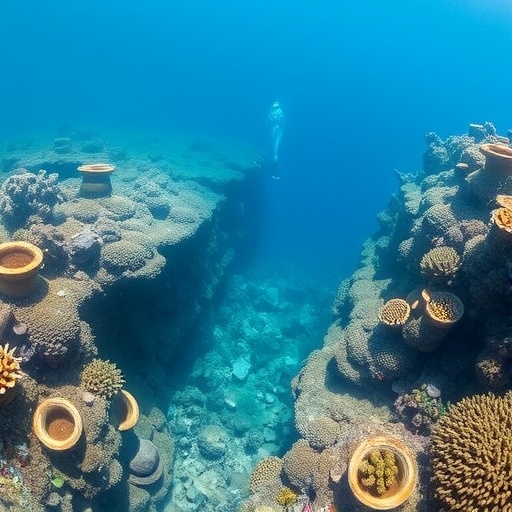
In a fascinating exploration of marine ecology and artificial reef development, recent research conducted by Şensurat-Genç et al. focuses on the environmental implications of shipwrecks utilized as artificial reefs. The study, set against the stunning backdrop of Karaburun in İzmir, Aegean Sea, sheds light on how these submerged vessels transform marine habitats and impact biodiversity. The rising trend of turning shipwrecks into artificial reefs comes in response to both ecological and economical aspirations, reshaping our understanding of underwater ecosystems.
Artificial reefs have garnered significant attention in the past few decades, primarily due to their potential to foster marine life. Shipwrecks, often viewed as mere remnants of maritime history, take on a new role when repurposed for oceanic rehabilitation. This study emphasizes the necessity of examining these submerged structures not just as historical artifacts but as functional habitats contributing to ecological balance. The research serves as a critical touchstone, considering the balance between human activity and marine conservation.
The methodology employed by the researchers was meticulous, involving comprehensive assessments of the local marine flora and fauna surrounding the shipwrecks. They monitored various ecological parameters, including species richness, abundance, and overall community composition. This data collection included both qualitative and quantitative approaches, ensuring a holistic view of the ecosystems in question. The findings are pivotal in understanding how artificial reefs can be optimized for biodiversity enhancement.
One of the fascinating revelations from the study was the surprising array of species that thrived in the vicinity of the shipwrecks. Both fish and invertebrate populations displayed marked increases in diversity in areas where these artificial structures were present. Species that typically favored hard substrates found an abundance of shelter and foraging opportunities amidst the remains of the ships. This phenomenon underscores the importance of these underwater installations in providing necessary habitats where natural reefs have suffered degradation.
The researchers also explored the implications of these findings for sustainable fisheries management. With overfishing putting immense pressure on marine ecosystems, shipwrecks could potentially serve as sanctuaries for juvenile fish and other marine organisms, helping to rejuvenate local fish stocks. By creating designated protected areas around artificial reefs, policymakers could implement strategies that support both ecological health and the livelihoods of local fishing communities.
Despite the numerous benefits associated with shipwrecks as artificial reefs, the research also highlighted potential challenges related to environmental pollution and marine debris. The materials comprising the shipwrecks can pose risks if they leach harmful substances into the surrounding waters. Accordingly, the researchers call for careful consideration of the materials used in ship construction and the potential toxicological ramifications. Ensuring that the artificial reefs are environmentally benign is crucial for achieving sustainable ecological outcomes.
Public perception and community engagement are vital components in the success of artificial reef projects. The study emphasizes the need for collaboration between scientists, policymakers, and local fishermen to foster a shared stewardship of the marine environment. By raising awareness about the benefits of shipwrecks as artificial reefs, communities can be mobilized to protect these vital habitats and support ongoing marine conservation efforts.
In addition to the ecological advantages, the research delves into the socioeconomic dimensions of utilizing shipwrecks as artificial reefs. By attracting recreational divers and marine tourism, these submerged vessels can become economic assets for local communities. The study quantifies potential increases in tourism revenue linked to well-managed artificial reef programs, providing compelling evidence for stakeholders to invest in conservation and restoration initiatives.
Furthermore, the researchers discussed the application of advanced technologies in monitoring artificial reef environments. Utilization of drones, underwater drones, and remote sensing technologies enables scientists to gather real-time data on reef health and biodiversity. This high-tech approach can help optimize management strategies and ensure that these artificial habitats continue to thrive.
In conclusion, the research conducted by Şensurat-Genç et al. is a clarion call for future studies and policy initiatives aimed at maximizing the benefits of shipwrecks as artificial reefs. The combination of ecological knowledge, technological innovation, and community involvement will be key drivers in promoting sustainable marine ecosystems. By embracing these underwater sanctuaries, we can foster biodiversity and contribute to the health of our oceans for generations to come.
The findings from this research not only highlight the potential of shipwrecks to act as thriving habitats but also emphasize a broader narrative surrounding the importance of environmental stewardship in the age of climate change. Ongoing dialogue about the delicate balance of human impact on marine environments is imperative. As we look toward the future of marine conservation, the insights derived from studies like this will shape our understanding of artificial reefs and their role in maintaining the health of our oceans.
In summary, the integration of numerous scientific perspectives within this research provides a comprehensive analysis of the environmental impacts of shipwrecks utilized as artificial reefs. The proactive approaches suggested could very well shape the future of marine conservation strategies and inspire further research. As stakeholders and scientists work together, the implications of these findings have the potential to reverberate far beyond the Aegean Sea.
Şensurat-Genç, T., Oruç, A.Ç., Özkan, E.Y. et al. Environmental impact of shipwrecks used as artificial reefs: a case study from Karaburun, İzmir, the Aegean Sea.
Environ Monit Assess 198, 144 (2026). https://doi.org/10.1007/s10661-025-14969-5
Cite Scienmag News
Margaret Porter. (January 19, 2026). Artificial Reefs: Shipwrecks’ Environmental Impact in İzmir. Scienmag. https://scienmag.com/artificial-reefs-shipwrecks-environmental-impact-in-izmir/
Margaret Porter. "Artificial Reefs: Shipwrecks’ Environmental Impact in İzmir." Scienmag, 19 January 2026, https://scienmag.com/artificial-reefs-shipwrecks-environmental-impact-in-izmir/. Accessed 3 September 2026.
Margaret Porter. "Artificial Reefs: Shipwrecks’ Environmental Impact in İzmir." Scienmag. January 19, 2026. https://scienmag.com/artificial-reefs-shipwrecks-environmental-impact-in-izmir/


