


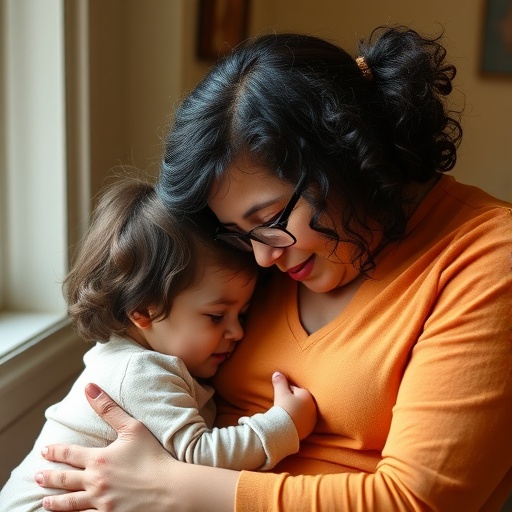
Recent studies have provided a rich understanding of the profound influence that maternal psychological control can exert on the mental health of emerging adults. The emerging adulthood stage, roughly encompassing the ages of 18 to 29, is a critical period characterized by significant transitions and heightened vulnerabilities. Research has highlighted that the approach parents take towards their children, particularly mothers, can significantly affect the psychological well-being of their offspring during this pivotal time. A central theme in this discourse is the role of self-compassion—defined as being caring towards oneself in instances of pain or failure—acting as a potential mediator in this relationship.
Maternal psychological control often manifests through guilt-inducing behaviors, withdrawal of affection, and overly critical feedback, leading to a detrimental emotional landscape for young adults. This research emphasizes that such controlling behaviors can obstruct the development of autonomy, pivotal for the identity construction that characterizes emerging adulthood. Understanding how these control tactics interplay with self-compassion can yield insights into targeted interventions for improving mental health outcomes among this demographic.
Self-compassion, as studied in recent research, appears to be a protective factor in navigating the challenges posed by maternal psychological control. Emerging adults who exhibit higher self-compassion are better equipped to manage the stressors linked to their upbringing. They tend to demonstrate resilience in the face of criticism and emotional turmoil, often interpreting their experiences through a lens of understanding and kindness rather than self-judgment. This shift in perspective is particularly vital as it fosters emotional regulation—a key component for mental well-being.
The mediating effects of the components of self-compassion—self-kindness, common humanity, and mindfulness—further illustrate this intricate relationship. Self-kindness encourages individuals to treat themselves with warmth and understanding, while common humanity highlights the universality of suffering, fostering a sense of connection rather than isolation. Mindfulness allows individuals to observe their thoughts and feelings without being overwhelmed, providing balance amidst the tumult of critical inner dialogues often exacerbated by maternal control.
Emerging adults not only endure the immediate fallout of maternal psychological control, such as anxiety and depression, but also contend with long-term ramifications that can inhibit their personal and professional development. Those raised in controlling environments may find it difficult to establish healthy relationships, pursue their passions, or embrace failure as an opportunity for growth. By integrating insights from the realm of self-compassion, we can unveil potential pathways to mitigate these challenges.
The research underscores the necessity of fostering self-compassion in therapeutic settings, especially for those who have been subjected to high levels of maternal psychological control. Interventions aimed at boosting self-compassion could provide young adults with skills to counteract the negative effects of their upbringing, ultimately leading to improved mental health outcomes. Programs designed to enhance self-kindness, cultivate awareness of shared human experiences, and instill mindfulness practices can empower individuals to break free from the cycle of psychological distress.
Moreover, this discussion prompts a reevaluation of parenting strategies and their long-term implications for mental health. As mental health issues continue to rise among young adults, it is imperative for parents to introspectively assess their methods of nurturing, communication, and emotional support. Educating parents about the adverse effects of excessive psychological control can foster healthier relationships and promote an environment conducive to emotional growth.
As society becomes increasingly cognizant of the effects of parenting styles on mental health, the implications of this research find relevance in broader dialogues about societal norms and expectations. This understanding invites conversations about moving away from authoritarian parenting models towards more nurturing and supportive approaches that respect the individual’s autonomy.
In conclusion, the complex interplay between maternal psychological control, self-compassion, and the mental health of emerging adults warrants attention from both researchers and practitioners in the field. Emphasizing self-compassion in therapeutic contexts offers a promising avenue for mitigating the negative outcomes linked to maternal control. By prioritizing emotional well-being during this formative period, we can better equip young adults to thrive in a world that often feels overwhelming and critical. Addressing these dynamics not only promotes individual resilience but also fosters a healthier, more compassionate society.
As we look forward, continued investigation into the mechanisms of self-compassion and its potential to impact mental health positively is essential. It is hoped that further studies will expand on these findings to explore diverse family dynamics and their corresponding effects on emerging adulthood. By shedding light on these issues, we pave the way for practical applications that could benefit both parents and their children, ultimately nurturing a generation of emotionally resilient individuals who are prepared to face life’s myriad challenges with confidence.
Chen, WW., Ho, S.K. & Zhou, Y. Maternal Psychological Control and Emerging Adults’ Mental Health: the Mediating Effects of Self-Compassion Components. J Child Fam Stud (2026). https://doi.org/10.1007/s10826-025-03192-y
Cite Scienmag News
Glenn Wilkins. (January 17, 2026). Maternal Control and Young Adults’ Mental Health. Scienmag. https://scienmag.com/maternal-control-and-young-adults-mental-health/
Glenn Wilkins. "Maternal Control and Young Adults’ Mental Health." Scienmag, 17 January 2026, https://scienmag.com/maternal-control-and-young-adults-mental-health/. Accessed 4 September 2026.
Glenn Wilkins. "Maternal Control and Young Adults’ Mental Health." Scienmag. January 17, 2026. https://scienmag.com/maternal-control-and-young-adults-mental-health/


