


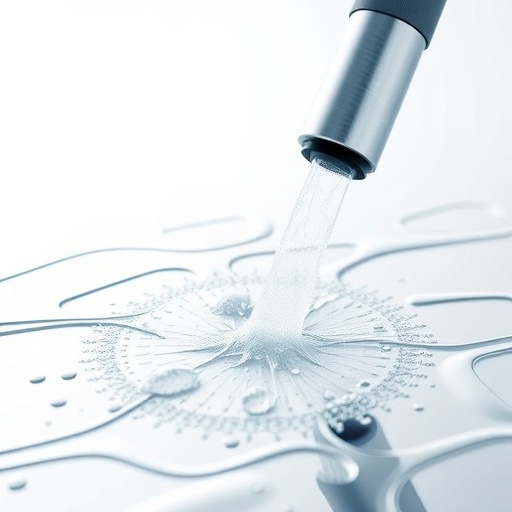
The intricate relationship between fuel sprays and oil-wetted walls is gaining significant attention in the realm of automotive engineering. A recent study published in the journal Automotive Engine Technology explores this complex interaction, shedding light on how surfaces of different chemical compositions and topologies can significantly influence fuel behavior. This research is vital for optimizing combustion efficiency, reducing emissions, and enhancing overall engine performance. As vehicles move towards advanced fuel systems and alternative energy sources, understanding these interactions becomes crucial for innovation in automotive design and technology.
At the core of this investigation lies the fundamental understanding of how fuel interacts with surfaces. When fuel is sprayed into an engine compartment, it comes into contact with various engine components, including walls that may be coated or treated with oils. These interactions are not trivial; rather, they are complex phenomena that can govern the efficiency of fuel atomization and evaporation processes. The study examines how chemical composition and surface topology affect droplets and film behaviors formed on these surfaces.
The concept of surface chemistry plays a pivotal role. Different chemical compositions can alter the wetting characteristics of the wall, which in turn influences how the fuel spray interacts with it. Surfaces that are hydrophobic may repel fuel, while hydrophilic surfaces may attract and retain it, resulting in varying spread patterns and evaporation rates. This variation can have direct implications for the fuel’s combustion characteristics. Understanding these differences allows engineers to tailor surface properties to enhance performance across various driving conditions.
In terms of surface topology, the physical texture of a surface can lead to dramatically different interactions. Rough surfaces can trap air within their crevices, leading to altered droplet dynamics as fuel interacts with these features. This can enhance or inhibit fuel film formation, which is critical for efficient combustion. The researchers utilized advanced imaging techniques to visualize these interactions in real-time, providing insights that traditional measurement techniques fail to capture. Their findings illustrate that micro- and nanostructured surfaces could be optimized for better fuel efficiency.
Moreover, the study emphasizes the importance of understanding these interactions not only for traditional combustion engines but also in the context of emerging technologies such as hybrid and electric vehicles. In these systems, fuel management becomes even more critical as engineers look for ways to maximize efficiency and minimize waste. The results of this research could potentially inform future designs of fuel injectors and spray systems to align with new energy demands.
The experiments carried out by the researchers involved a detailed analysis of fuel spray characteristics against various oil-wetted wall configurations. Utilizing high-speed photography and laser diagnostics, they captured data on droplet sizes, spray angles, and velocities, which are key parameters that affect combustion processes. This methodology represents a significant advancement in understanding how various wall treatments can lead to different exhaust characteristics, allowing for better emissions control strategies.
One of the critical aspects investigated was the role of film thickness in the interaction between fuel and oil-wetted walls. The study reveals that the thickness of the oil film can significantly influence the rates of heat transfer, which in turn affects the ignition characteristics of the fuel. Thinner films may promote quicker evaporation and more efficient combustion, while thicker films could lead to incomplete combustion and increased emissions. Therefore, managing oil film characteristics presents an opportunity for optimizing engine design.
The implications of this research extend beyond the laboratory. As regulatory environments become stricter regarding emissions and fuel economy, manufacturers are under pressure to innovate rapidly. The insights gained from this comprehensive study provide a scientific foundation for developing advanced materials and coatings that can enhance performance metrics required by modern engines. An understanding of both chemical and mechanical properties of surfaces allows for the engineering of next-generation engines that are not just efficient but also environmentally responsible.
Furthermore, this study encourages collaboration between material scientists and automotive engineers. By developing new materials that exhibit desirable surface properties for fuel interactions, the automotive industry can move towards the development of surfaces that maximize performance and reduce environmental impact. This interdisciplinary approach could be the key to future breakthroughs in automotive technology.
The researchers point out that ongoing exploration in this domain is essential, particularly as alternative fuels and hybrid technologies become more prevalent. Each new fuel type may exhibit unique interactions with surfaces, warranting tailored approaches. Continuous innovation will ensure that new fuel formulations can be effectively managed within engine designs, maximizing their potential benefits and mitigating any adverse effects.
In conclusion, the study conducted by Krnac et al. emphasizes a fundamental yet often overlooked aspect of engine design. The interaction between a fuel spray and an oil-wetted wall is a critical factor affecting engine efficiency, emissions, and overall performance. As the automotive landscape evolves, incorporating insights from this research will not only drive innovation but also help achieve the challenging goals of sustainability and performance demanded by modern consumers.
With the advancement of technology and greater understanding of fuel manipulation through surface engineering, the future of automotive engineering appears promising. By carefully considering how different surfaces interact with fuel sprays, engineers can create vehicles that are not only powerful and efficient but also kind to the environment. This research serves as a pivotal step towards that future, establishing a groundwork for innovations that may redefine our approach to engine design and fuel efficiency.
Cite Scienmag News
Reid Dalton. (January 17, 2026). Fuel-Spray Interaction: Role of Surface Composition and Topology. Scienmag. https://scienmag.com/fuel-spray-interaction-role-of-surface-composition-and-topology/
Reid Dalton. "Fuel-Spray Interaction: Role of Surface Composition and Topology." Scienmag, 17 January 2026, https://scienmag.com/fuel-spray-interaction-role-of-surface-composition-and-topology/. Accessed 4 September 2026.
Reid Dalton. "Fuel-Spray Interaction: Role of Surface Composition and Topology." Scienmag. January 17, 2026. https://scienmag.com/fuel-spray-interaction-role-of-surface-composition-and-topology/


