


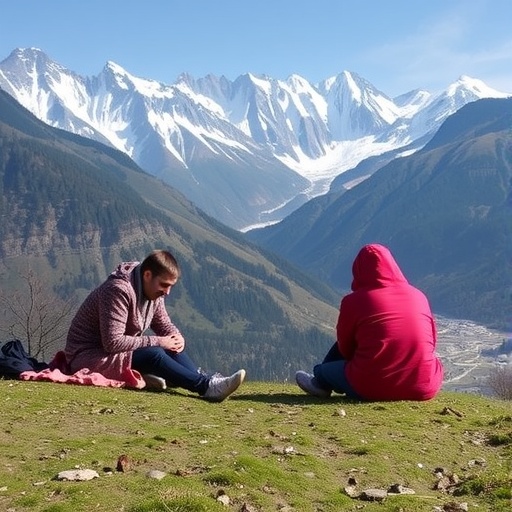
In recent years, mental health issues among youth have surged to alarming levels globally, prompting urgent calls for effective interventions. Among these, suicide is increasingly recognized as a leading cause of death in this demographic, emphasizing the need for sophisticated and culturally adapted prevention strategies. A new study titled “Case Studies from Dareecha Program” explores such an approach, aiming to establish a pioneering zero suicide framework tailored to the unique sociocultural context of the Ghizer District in Pakistan.
The Dareecha Program emerges from growing evidence that suicide prevention must transcend one-size-fits-all solutions. Young people are profoundly influenced by the environments in which they live, attend school, and interact with peers. This research focuses on implementing a zero suicide framework that comprehensively addresses the complexities of youth mental health within schools, an environment where young individuals spend a significant portion of their formative years. This contextualization enhances the pertinence and practicality of suicide prevention measures, making them resonate more with the target audience.
The methodology adopted in the study hinges on a multifaceted approach. The researchers engaged with students, educators, and mental health professionals to create a framework that is not just theoretically sound but also practically applicable. By identifying cultural touchpoints, the Dareecha Program aligns its strategies with local values, beliefs, and norms. This ensures a sense of ownership and acceptance within the community, which is vital for the sustainability of any mental health intervention.
Key elements of the Dareecha Program’s implementation process involve training for teachers and school staff on recognizing signs of mental distress and employing intervention techniques. Educators are equipped not merely with knowledge but with practical skills that enable them to foster a supportive atmosphere in schools. This training includes developing communication strategies that encourage students to voice their concerns, thus normalizing discussions around mental health, which has historically been a taboo topic.
Furthermore, the study emphasizes the importance of peer support systems. Peer groups are integral to the daily lives of youth and can serve as powerful agents of change. By fostering a culture where students support one another, the program aims to reduce the stigma associated with seeking help for mental health issues. The involvement of youth in the implementation process allows for a tailored approach that empowers students and gives them a sense of agency in their mental health journey.
The research also highlights the significance of data collection and analysis in refining the implementation process. Continuous feedback from participants helps to pinpoint what is working and what needs adjustment, ensuring that the program remains responsive to the evolving needs of the students. This data-driven approach underpins the program’s commitment to evidence-based practices, providing a robust framework for future mental health initiatives in similar contexts.
Additionally, the study examines the challenges encountered during the implementation of the Dareecha Program. These include cultural barriers, resource limitations, and varying levels of receptivity from different stakeholders. The researchers provide insights into how these challenges were navigated through strategic planning and community engagement efforts, which serve as a model for other programs facing similar hurdles.
The findings from the Dareecha Program underscore the importance of a holistic, culturally sensitive approach to suicide prevention in schools. By integrating mental health education into the academic curriculum and prioritizing student well-being, the program aspires to create a paradigm shift in how mental health is perceived in the Ghizer District and beyond. This aligns with global health initiatives advocating for mental health as a fundamental component of overall well-being.
Looking ahead, the researchers argue that the lessons learned from the Dareecha Program can serve as a template for wider implementations across Pakistan and in similar socio-cultural contexts. By modifying strategies to suit local dynamics, other regions may also enhance their overall mental health efforts, contributing to a broader movement towards reducing the incidence of youth suicides.
In conclusion, the Dareecha Program’s innovative approach to suicide prevention sheds light on the critical intersection of culture, education, and mental health. Its contextually adapted implementation showcases the potential for local solutions to effectively combat global issues like youth suicide. As awareness grows and strategies evolve, the hope is that such programs will inspire comprehensive mental health initiatives that resonate with young people everywhere, ultimately saving lives and fostering healthier communities.
As the world watches closely, the Dareecha Program serves as a beacon of hope and a roadmap for change, illustrating that with the right tools and community engagement, suicide prevention is not only possible but can be successful.
Ali, B., Ghur, A., Syed, R. et al. Case Studies from Dareecha Program: A Contextually Adapted Zero Suicide Implementation Process for Identification and Mitigation of Suicide Risk among Youth in Schools of Ghizer District, Pakistan.
School Mental Health (2026). https://doi.org/10.1007/s12310-025-09822-6
Cite Scienmag News
Silas E. (January 16, 2026). Zero Suicide Approach Enhances Youth Mental Health in Ghizer. Scienmag. https://scienmag.com/zero-suicide-approach-enhances-youth-mental-health-in-ghizer/
Silas E. "Zero Suicide Approach Enhances Youth Mental Health in Ghizer." Scienmag, 16 January 2026, https://scienmag.com/zero-suicide-approach-enhances-youth-mental-health-in-ghizer/. Accessed 29 August 2026.
Silas E. "Zero Suicide Approach Enhances Youth Mental Health in Ghizer." Scienmag. January 16, 2026. https://scienmag.com/zero-suicide-approach-enhances-youth-mental-health-in-ghizer/


