


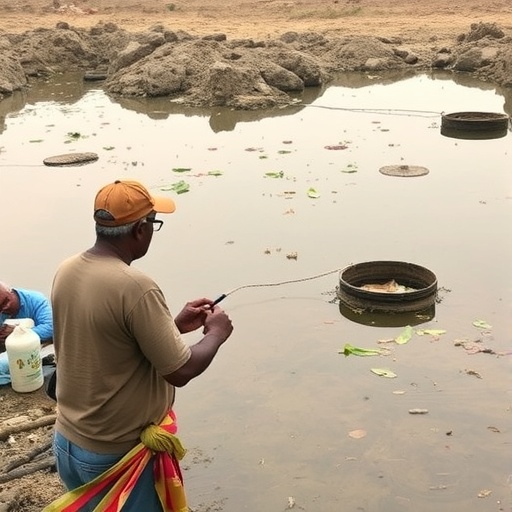
In a significant study that delves into the pressing issue of soil contamination, researchers from India have highlighted the pervasive effects of nickel and zinc on agricultural lands in eastern Uttar Pradesh. This region is primarily known for its rich agrarian heritage, yet it faces emerging environmental hurdles that could jeopardize its sustainability. The ongoing contamination poses substantial risks not only to crop productivity but also to the health of the local ecosystem, making this research paramount in addressing agricultural concerns in the area.
The researchers, Dev, Singh, and Kumar, undertook a detailed exploration of the soil in various cultivable plots, pinpointing critical zones of heavy metal accumulation. Nickel and zinc are particularly concerning due to their anthropogenic origins, chiefly stemming from industrial emissions and agricultural practices that utilize contaminated water. As these metals infiltrate the soil, they can adversely affect plant growth and quality, leading to significant implications for food safety and public health.
The study employed a multi-faceted approach, involving rigorous sampling and analysis of soil samples from diverse locations to gauge the levels of nickel and zinc contamination. Utilizing advanced analytical techniques, the researchers quantitatively assessed these heavy metals, comparing the findings against environmental regulations and identifying hotspots of pollution that require immediate attention. Their findings resonate with a growing body of evidence that warns of the detrimental effects of heavy metal accumulation in agricultural settings worldwide.
As the results unfolded, it became increasingly clear that the levels of nickel and zinc in some areas exceeded established permissible limits, indicating a severe environmental threat. The implications of such findings extend beyond agricultural productivity; they also encapsulate a broader narrative concerning food security and health risks to local populations. As crops absorbing contaminated soil become part of the food chain, the potential for heavy metal bioaccumulation increases, raising alarming concerns regarding chronic exposure among consumers.
In conjunction with heavy metal assessment, the researchers further examined the underlying reasons for this contamination. They identified industrial activities, including mining and metal processing, as primary contributors. Additionally, the use of fertilizers containing heavy metals combined with inadequate waste management practices exacerbates the situation. This multifactorial approach provides pivotal insights into the environmental and anthropogenic interactions that lead to soil degradation, suggesting pathways for remediation and policy formulation.
The findings of this research also provoke discussions around sustainable agricultural practices. It raises the critical question of how to safeguard the health of the land while continuing to produce food for a burgeoning population. The authors advocate for a shift towards environmentally friendly practices and highlight the need for stringent regulations to mitigate industrial pollution. Agricultural stakeholders are encouraged to adopt comprehensive soil management strategies, thus ensuring that heavy metal levels are monitored and maintained within safe limits.
Moreover, there’s an undeniable urgency for community engagement in addressing these pollution issues. Educating local farmers and residents about the significance of soil health is essential for fostering a culture of sustainability. The research underscores the importance of collective responsibility, where both industry and agriculture must collaborate to reduce emissions and lower contamination levels in farming areas.
As policymakers deliberate on the implications of these findings, there is hope for an integrative approach that combines scientific insights with community action. The study can serve as a catalyst for renewed efforts to strengthen environmental regulations, ensuring that future generations inherit land that is both productive and safe. A proactive stance on environmental protection could enhance resilience against the challenges posed by climate change and pollution.
In conclusion, the research conducted by Dev, Singh, and Kumar offers not only a stark elucidation of the contamination crisis but also a clarion call for action. By revealing the critical intersection of industry, agriculture, and health, the authors pave the way for subsequent studies and initiatives aimed at protecting agricultural ecosystems in India and beyond. Their work stands as a testimony to the ongoing struggle against environmental degradation, urging all stakeholders to take meaningful strides towards sustainable practices.
As discussions surrounding agricultural sustainability continue to unfold, this study represents a vital piece of the puzzle. It is imperative that further research is conducted to explore remediation techniques and develop strategic frameworks for agricultural policy. Only then can the community hope to curtail the tide of heavy metal contamination and restore the agricultural lands of eastern Uttar Pradesh to their former glory.
The compelling narrative of this research encapsulates the need for urgent action against pollution, drawing attention to a crisis that is as much an environmental one as it is a human one. In the face of daunting challenges, the call to action rings loud, urging every stakeholder to partake in safeguarding the land for future generations.
The dominant themes of this study reinforce an essential dialogue about the responsibilities of both the agricultural community and the industrial sector in preserving the planet’s health. Achieving this balance is not merely an idealistic aspiration; it is critical for the collective wellbeing of present and future populations.
In the realms of soil health and heavy metal contamination, every finding serves as another step towards optimizing agricultural outputs while ensuring environmental stewardship. The research paves the way for continued vigilance and innovative strategies to combat contamination crises not just locally, but globally as we navigate the challenges of future food security.
As these crucial conversations propel forward, it becomes apparent that ongoing research, collaboration, and public awareness are fundamental in crafting a sustainable path for agriculture in the face of heavy metal contamination.
Cite Scienmag News
Alan Morgan. (January 13, 2026). Investigating Nickel and Zinc Pollution in Eastern Uttar Pradesh. Scienmag. https://scienmag.com/investigating-nickel-and-zinc-pollution-in-eastern-uttar-pradesh/
Alan Morgan. "Investigating Nickel and Zinc Pollution in Eastern Uttar Pradesh." Scienmag, 13 January 2026, https://scienmag.com/investigating-nickel-and-zinc-pollution-in-eastern-uttar-pradesh/. Accessed 4 September 2026.
Alan Morgan. "Investigating Nickel and Zinc Pollution in Eastern Uttar Pradesh." Scienmag. January 13, 2026. https://scienmag.com/investigating-nickel-and-zinc-pollution-in-eastern-uttar-pradesh/


