


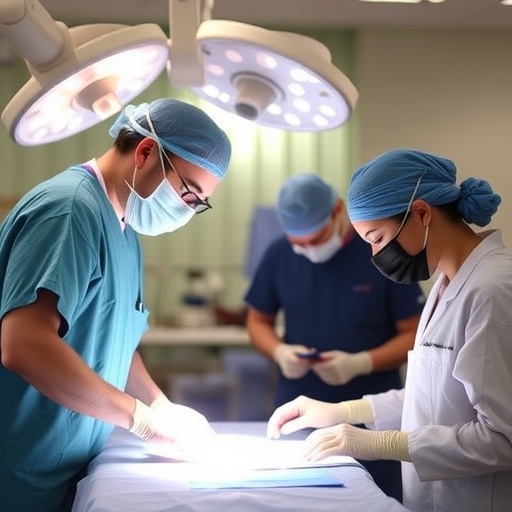
In the dynamic world of medical education, understanding the nuances of learning environments is paramount, especially in high-stakes settings like the operating room (OR). A recent qualitative study spearheaded by researchers C. Kanburoglu and B. Sezer sheds light on the unique educational challenges and experiences that medical students encounter while immersed in these electrifying environments. This exploration delves into the intricate interplay between students, seasoned surgical teams, and the palpable tension that defines the OR, revealing insights that are both enlightening and critical for the advancement of medical education.
The study was meticulously designed to capture the multifaceted perspectives of medical students and the OR team, comprising surgeons, nurses, and anesthetists. By employing qualitative methodologies, the researchers sought to unravel the complexities underlying the educational processes occurring within the OR. The findings underscore a common theme: that the operating room is far more than just a surgical space; it is a vital educational arena that shapes the future of budding clinicians.
At the heart of the research lies the need to understand how students are integrated into the surgical workflow. The OR presents an array of unique challenges, including the often overwhelming sensory experiences, the hierarchical structures inherent in surgical teams, and the multifarious roles that students are expected to play. These factors collectively contribute to a learning atmosphere where the stakes are extraordinarily high. Medical students often grapple with balancing their eagerness to learn while managing the expectations of experienced surgical staff.
One of the standout findings from the interviews conducted in this study is the recognition of the emotional landscape of the OR. Many students noted that their experiences were not solely defined by their clinical knowledge but were deeply influenced by their emotional reactions. The high-pressure environment can evoke feelings of anxiety and apprehension, which, when not properly addressed, can hinder learning. Therefore, the study suggests the implementation of supportive mechanisms that can help students navigate these emotional hurdles effectively.
Additionally, the role of mentorship emerged as a pivotal theme in the study. The bonds formed between students and their supervising surgeons can significantly impact the learning experience within the OR. Positive, approachable mentorship fosters an environment where students feel comfortable asking questions and seeking guidance. Conversely, a lack of supportive mentorship can lead to feelings of inadequacy and disconnection, thus stifling educational opportunities.
Moreover, the researchers emphasized the importance of deliberate practice within the OR. Often, students yearn for more hands-on experience but find that opportunities are limited due to the fast-paced nature of surgical procedures. The study advocates for a balanced approach where faculty members not only instruct but also facilitate gradual exposure to surgical tasks. This could include structured opportunities for students to participate in various aspects of surgical care, from pre-operative assessments to post-operative consultations.
Communication, too, surfaced as a critical component in the educational experience within the OR. Effective communication among team members, alongside clear directives from the surgical lead, can significantly enhance the learning process for students. In high-stakes environments where decisions must be made swiftly and effectively, fostering a culture of open communication can mitigate misunderstandings and bolster teamwork, ultimately benefiting the educational process.
The findings encourage medical educators to reevaluate how students experience learning in surgical settings. Traditional educational paradigms may need to shift towards more innovative approaches that account for the realities of the OR environment. This may include adaptations in curriculum design that incorporate simulation training, which has proven effective in enhancing preparedness before students step into the actual OR.
In closing, this qualitative study by Kanburoglu and Sezer serves as a profound reminder of the importance of nurturing the next generation of medical professionals. By recognizing the unique challenges faced by students in the operating room, stakeholders can implement strategies that enhance learning, emotional well-being, and ultimately, patient care. The insights gleaned from this research are invaluable, laying the groundwork for future advancements in medical education that prioritize both academic excellence and the holistic development of healthcare providers.
As the educational landscape in medicine continues to evolve, it is crucial to keep the dialogue open between educators, students, and surgical teams. This study provides a springboard for further discussion and research into optimizing the OR as a learning environment, ensuring that future medical students are not only well-versed in clinical skills but are also emotionally and psychologically prepared to thrive in one of the most challenging yet rewarding facets of healthcare.
Cite Scienmag News
Courtney Benton. (January 13, 2026). Medical Student Experiences in the Operating Room. Scienmag. https://scienmag.com/medical-student-experiences-in-the-operating-room/
Courtney Benton. "Medical Student Experiences in the Operating Room." Scienmag, 13 January 2026, https://scienmag.com/medical-student-experiences-in-the-operating-room/. Accessed 3 September 2026.
Courtney Benton. "Medical Student Experiences in the Operating Room." Scienmag. January 13, 2026. https://scienmag.com/medical-student-experiences-in-the-operating-room/


