


In recent years, the medical community has been delving deeper into the intricate relationship between diabetes and various health complications. Among the most pressing concerns is diabetic retinopathy, a serious condition that can result in vision loss and is often seen as a complication of diabetes. The correlation between diabetes and diabetic kidney disease is noteworthy, as both conditions share a common ground that complicates patient health outcomes. In the quest to find effective biomarkers that could signal the early onset of diabetic retinopathy, researchers have turned their attention to serum cystatin C, which appears poised to play a significant role in our understanding of these interconnected ailments.
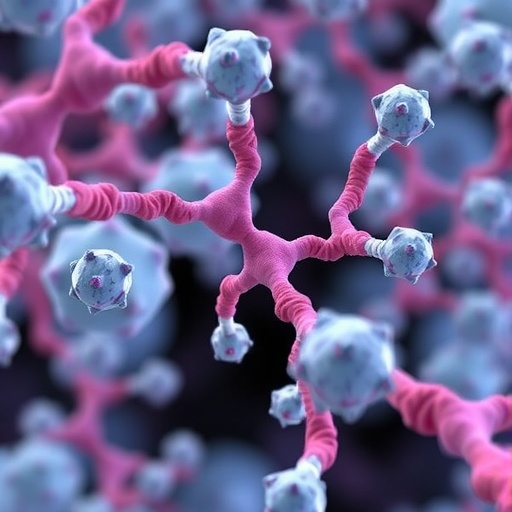
Serum cystatin C is a protein that is produced by all nucleated cells and is involved in various biological functions, primarily acting as an inhibitor of cysteine proteases. Its role as a biomarker has gained traction due to its sensitivity in reflecting kidney function. In the context of diabetes, cystatin C levels may provide clinicians with crucial insights into the subtle changes occurring in the kidneys and other tissues before more obvious symptoms manifest. This is particularly salient for diabetic patients, who are at heightened risk for both retinopathy and kidney disease as they navigate the complexities of their condition.
Recent studies have illuminated the potential link between elevated serum cystatin C levels and the onset of diabetic retinopathy. In the landmark paper by Chen et al., the authors elucidate how an increase in cystatin C concentrations may correlate with the progression of diabetic retinopathy in patients with diabetes. The findings should not be underestimated, as they indicate that cystatin C could act as a predictive biomarker that allows for earlier intervention strategies in at-risk populations. Diagnostic biomarkers are essential for implementing timely and effective treatments that can greatly diminish the long-term complications associated with diabetes.
The pathophysiology behind diabetic retinopathy is complex, intertwining metabolic, hemodynamic, and inflammatory pathways. Chronic hyperglycemia induces several biochemical changes in the retinal vascular system, leading to microvascular damage. This damage manifests through a cascade of events, including increased vascular permeability, retinal ischemia, and neovascularization. Understanding the various triggers of diabetic retinopathy is paramount, which is where cystatin C’s role becomes most intriguing.
Moreover, it is prudent to note the bidirectional relationship that exists between diabetic retinopathy and diabetic kidney disease. Research has increasingly shown that these two diabetes-related complications often exacerbate one another, highlighting the urgency of identifying biomarkers that address both conditions concurrently. By establishing a strong correlation between serum cystatin C levels and diabetic retinopathy, Chen et al. have opened a new avenue for understanding how we might manage and treat these interrelated diseases more effectively.
Given the prevalence of diabetes worldwide, the potential implications of this research are staggering. With billions of people affected by diabetes and its complications, the introduction of a straightforward blood test that assesses cystatin C levels could represent a groundbreaking advance in diabetic patient care. Clinicians would be able to monitor patients more effectively, intervening at an earlier stage to mitigate the risk of severe complications such as vision impairment and renal failure.
As healthcare systems strive for more patient-centered approaches, the research by Chen and colleagues stands at the forefront of innovative solutions. The ability to predict diabetic retinopathy through serum cystatin C not only empowers healthcare providers but also aligns with contemporary medical trends that emphasize early detection and management of chronic diseases. This approach can improve patient quality of life and reduce the overall burden on healthcare systems.
While this emerging knowledge is promising, it is crucial to conduct further research to confirm the effectiveness of cystatin C as a predictive biomarker in diabetic populations across diverse demographics. The intricacies of individual patient cases, along with genetic and environmental factors, may influence how cystatin C levels can be interpreted in clinical settings. As with any medical research, uniformity in clinical application remains a challenge that must be addressed in future studies.
Additionally, the potential for therapeutic implications stems from the relationships uncovered in Chen et al.’s research. If higher cystatin C levels indeed correlate with diabetic complications, pharmacological interventions that target cystatin C pathways may unveil novel treatment protocols. The potential for combining such treatments with existing diabetes management strategies could yield significant benefits, paving the way for innovative therapeutic avenues that enhance patient outcomes in the long term.
Still, skepticism has its place in the scientific process. As this field of research develops, peer review and validation studies will serve as critical measures of accuracy and reliability. The medical community depends on rigorous scrutiny to ensure that findings, like those from the groundbreaking study by Chen et al., are trustworthy and can be generalized across varied populations and clinical scenarios. Establishing robust methodologies in future investigations will lay the groundwork for the acceptance of cystatin C as a standard biomarker in clinical practice.
Another exciting aspect of this area of research is the rising trend in utilizing artificial intelligence (AI) and machine learning to enhance diagnostic capabilities. In conjunction with biomarkers like cystatin C, AI technologies can analyze vast datasets to discern patterns that may not be immediately visible to clinicians. This fusion of traditional laboratory metrics with cutting-edge technology could revolutionize how early diabetic retinopathy and diabetic kidney disease are diagnosed and managed.
As we forge ahead into a future defined by rapid technological advancement, the implications of these findings are not lost on manufacturers and solution providers in the medical field. Companies dedicated to the development of testing kits and monitoring devices will need to adapt as the need for reliable biomarkers grows. The successful integration of cystatin C into clinical practice could enhance diagnostics, driving innovation, and economic growth within the healthcare industry.
In conclusion, the exploration of serum cystatin C as a biomarker for diabetic retinopathy, as discussed in Chen et al.’s influential paper, represents a significant leap forward in our understanding of diabetes-related complications. The intertwining of retinopathy and kidney disease in diabetic patients complicates clinical management, yet the findings illuminate a path for early detection and intervention. As more research unfolds and scientific scrutiny validates these results, the potential remains high for cystatin C to become a quintessential tool in the arsenal against diabetic complications, ultimately aiming for better patient outcomes and improved quality of life.
Chen, X., Yuan, W., Zeng, Y. et al. Serum cystatin C as a biomarker for diabetic retinopathy and its role in diabetic retinopathy-diabetic kidney disease comorbidity.
J Transl Med (2026). https://doi.org/10.1186/s12967-025-07552-6
Cite Scienmag News
Jerry Hayes. (January 13, 2026). Cystatin C: A Key Biomarker for Diabetic Complications. Scienmag. https://scienmag.com/cystatin-c-a-key-biomarker-for-diabetic-complications/
Jerry Hayes. "Cystatin C: A Key Biomarker for Diabetic Complications." Scienmag, 13 January 2026, https://scienmag.com/cystatin-c-a-key-biomarker-for-diabetic-complications/. Accessed 4 September 2026.
Jerry Hayes. "Cystatin C: A Key Biomarker for Diabetic Complications." Scienmag. January 13, 2026. https://scienmag.com/cystatin-c-a-key-biomarker-for-diabetic-complications/


