


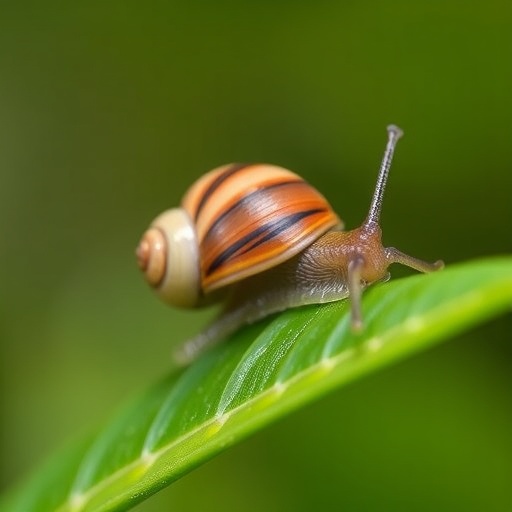
In a groundbreaking study that sheds light on the ecological effects of plant-derived compounds, researchers have turned their attention to soyasaponin, a phytochemical known for its diverse biological activities. This research, primarily focused on the common garden snail, Theba pisana, delves into the impact of soyasaponin not only on the physical aspect of snail health but also on their biochemical and physiological functions. Identifying the significance of such studies is crucial in understanding how various natural products might influence pest populations and their potential ramifications in agricultural scenarios.
The research team, comprised of Abdelgalil, Gad, and El-Deeb, meticulously examined the contact toxicity of soyasaponin on Theba pisana, a species known for its adaptability and resilience against various environmental stresses. Given the rising concern over chemical pesticides and their detrimental effects on ecosystems, the exploration of natural alternatives like soyasaponins is more pertinent than ever. By providing insights into both the lethal and sub-lethal effects of these compounds, the study addresses a gap in ecological research, paving the way for sustainable pest management practices.
The researchers employed a variety of experimental setups to determine the immediate impacts of soyasaponin exposure on snails. They measured mortality rates following direct contact with varying concentrations of the compound, meticulously documenting the outcomes to establish a clear toxicity profile. Such quantitative assessments are fundamental for the development of environmentally friendly pest control methods that prioritize ecological integrity while effectively managing pest populations.
Moreover, the biochemical perturbations caused by soyasaponin were closely monitored. Through assays designed to evaluate oxidative stress levels and enzymatic activity, the researchers unveiled a startling link between the ingestion of soyasaponin and alterations in the snails’ metabolic processes. The disruption of these fundamental biological pathways implies that soyasaponin does not only impair snails externally but also significantly affects their internal biochemical environments.
This research holds implications beyond just the snail population; it contributes to a broader understanding of how natural compounds can serve as biopesticides. Such knowledge is vital for developing strategies that effectively mitigate pest populations without resorting to synthetic chemicals that could harm beneficial organisms and the environment at large. Additionally, this study opens a dialogue on the ecological responsibilities that come with pest management, advocating for the integration of natural products in sustainable agriculture.
The findings of the study indicate several possible mechanisms through which soyasaponin exerts its toxic effects. The researchers conclude that the cytotoxic nature of soyasaponin could be attributed to the disruption of cellular homeostasis, leading to increased mortality rates in snails exposed to the compound. This phenomenon is particularly crucial as it highlights the need for further exploration into the ecological roles of phytochemicals in pest management and their long-term effects on non-target organisms.
Apart from the immediate effects on mortality and physiological functions, the study also touches upon the potential for soyasaponin to induce further ecological impacts by altering the trophic dynamics within their habitats. As predators and competitors respond to the decline in snail populations, cascading effects may reshape community structures, showcasing yet another layer of consideration in pest management strategies. This ripple effect underscores the interconnectedness of ecosystems and the vital role that every species plays within it.
In summary, the researchers articulate a pressing need for greater investigation into the effectiveness of natural phytochemicals such as soyasaponin in pest control. Given the rapid pace of environmental change and the increasing demand for sustainable agricultural practices, utilizing findings from studies like this one can inform the development of integrated pest management approaches that are less reliant on synthetic methods. This presents a compelling case for combining traditional practices with innovative scientific findings in order to promote healthier ecosystems and sustainable agricultural futures.
The potential applications of soyasaponin extend beyond mere pest management; they may also serve as leads in pharmaceutical research given their biological activity. Understanding how natural compounds affect other species could open doors for new therapeutic avenues. The pursuit of knowledge in this field can foster collaborations between ecologists, agricultural scientists, and pharmacologists, creating a holistic approach to tackling complex ecological and health-related challenges.
In light of these findings, the study sparks an intriguing conversation around how we might reassess our approach to pest management and ecological health. By recognizing the potential benefits of leveraging natural compounds like soyasaponin, stakeholders in agriculture, conservation, and public health can work toward a more balanced ecosystem, where the needs of human agriculture and the integrity of the environment are not mutually exclusive.
Ultimately, this comprehensive study on the impact of soyasaponin on Theba pisana serves as both a catalyst for future research and a clarion call to adopt more environmentally responsible pest management practices. It challenges existing paradigms and encourages the scientific community to invest in the exploration of natural solutions that support biodiversity while safeguarding agricultural productivity.
There is a pressing need for further studies to evaluate the long-term implications of continued soyasaponin use, including potential resistance from pest populations. As we stand on the threshold of innovative agricultural techniques, it is vital to leverage advances in science to safeguard not only crops but also the ecosystems that support them. With committed research and collaboration, the future of sustainable agriculture may very well rely on the very plant compounds we once overlooked.
The inquiry into soyasaponin’s effects marks a significant stride towards achieving sustainable agricultural practices. As researchers continue to explore the depths of nature’s chemistry, the possibilities for integrating these findings into practical applications only expand. With a focus on ecological stewardship, the scientific community is poised to unearth new paths toward achieving balance within agricultural landscapes.
As awareness of these findings spreads within the scientific community and beyond, there is hope that soyasaponin may soon be recognized as an invaluable resource in the fight against agricultural pests. By fostering research and advocacy for such natural solutions, we move closer to fulfilling the promise of sustainable farming that respects both people and the planet.
Strong adherence to research-driven practices will not only reveal the full potential of phyto-chemicals but will also underscore the importance of preserving biodiversity in agricultural environments. As the impact of human activity continues to evolve in tandem with our agricultural practices, studies like this guide us toward methods that harmonize stakeholder needs and environmental health.
In conclusion, the journey into understanding the effects of soyasaponin on Theba pisana offers a transformative viewpoint in approaching pest management. It emphasizes the need for innovative strategies that integrate ecological health, agricultural productivity, and the sustainable use of natural compounds. As this research paves the way for more environmentally friendly practices, it serves as a reminder that nature’s own designs can often provide the best solutions.
Abdelgalil, G.M., Gad, A.F. & El-Deeb, D.A. Highlighting the impact of soyasaponin on the snail Theba pisana: Emphasis on the contact toxicity and biochemical perturbations.
Environ Sci Pollut Res (2026). https://doi.org/10.1007/s11356-025-37351-x
Cite Scienmag News
Violet Maxwell. (January 10, 2026). Soyasaponin’s Toxicity and Biochemical Disruption in Snails. Scienmag. https://scienmag.com/soyasaponins-toxicity-and-biochemical-disruption-in-snails/
Violet Maxwell. "Soyasaponin’s Toxicity and Biochemical Disruption in Snails." Scienmag, 10 January 2026, https://scienmag.com/soyasaponins-toxicity-and-biochemical-disruption-in-snails/. Accessed 4 September 2026.
Violet Maxwell. "Soyasaponin’s Toxicity and Biochemical Disruption in Snails." Scienmag. January 10, 2026. https://scienmag.com/soyasaponins-toxicity-and-biochemical-disruption-in-snails/


