


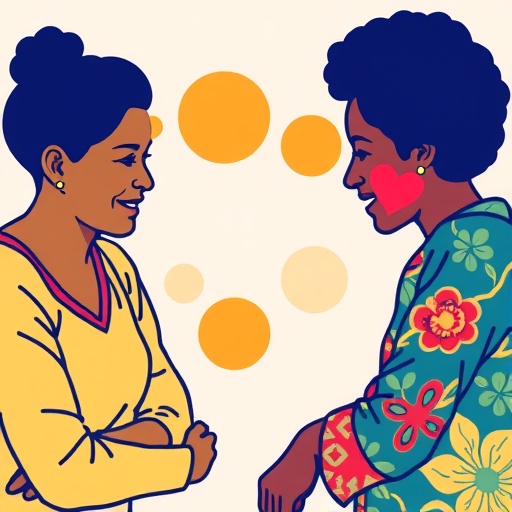
In today’s ever-evolving healthcare environment, the integration of multicultural teams has become essential for delivering high-quality care. This pressing need has prompted researchers to delve into methods of improving the competence of healthcare professionals across diverse background. One such initiative is the International Caregiver Development Programme (ICDP), which aims to equip nursing staff with the skills necessary to navigate the challenges of multicultural interactions in nursing homes. This innovative programme has garnered significant attention, as it represents a targeted response to the complexities posed by diverse patient populations.
The ICDP specifically addresses the multi-faceted nature of competence development in nursing homes that serve different ethnicities and cultures. In a clinical landscape characterized by persistent disparities in health outcomes, nursing homes must adopt approaches that respect and elevate their workforce to meet varied patient needs. The findings from the qualitative study conducted by Holmsen et al. highlight the urgency and significance of tailoring competence development to effectively manage the unique challenges posed by multicultural healthcare environments.
Understanding team dynamics in a multicultural setting isn’t merely about language proficiency; it’s about cultural competence and relational skills that enhance team functioning. This qualitative study recognizes that effective communication is rooted in understanding cultural nuances that inform patient care perspectives. By focusing on the experiences of caregivers, the research emphasizes how training can be pivotal in fostering an inclusive environment that respects every caregiver’s background while simultaneously ensuring patient care is not compromised.
Additionally, the researchers explored the thoughts and sentiments of caregivers participating in the ICDP. Their personal narratives reveal insights into how cultural biases can unintentionally skew perceptions and interactions in nursing homes. Such biases may impede the quality of care provided, as they limit the depth of understanding among team members. This study suggests that programmatic interventions should emphasize self-reflection and group discussions to mitigate these biases while fostering a cohesive team culture.
Another critical area of focus in the ICDP is the development of specific skills that transcend basic caregiving. The research indicates that caregivers who participated in the programme reported heightened awareness of their own cultural identities and how these identities impact their professional interactions. This awareness is essential for building mutual respect and understanding within multicultural teams, which ultimately gauges the quality of care delivered. Caregivers equipped with skills aimed at empathy and conflict resolution reported a marked improvement in team collaboration and patient satisfaction.
Moreover, the study’s findings suggest that cultural competence training alone is insufficient. It must be complemented by organizational changes that promote an inclusive workplace culture. Nursing homes need to adopt policies that recognize the value of diversity among their staff. The success of the ICDP in fostering a more competent workforce is inherently linked to how well these institutions embrace a culture of inclusivity and open communication. Management plays a pivotal role in ensuring that the principles taught through the ICDP are reinforced and adopted at all levels of the organization.
Within the framework of the ICDP, caregivers were encouraged to engage in collaborative learning experiences that not only develop their skills but also build rapport amongst peers. This study reveals that team-based learning opportunities can empower caregivers, creating a sense of ownership over their professional roles. By participating in collaborative exercises, caregivers felt enhanced camaraderie, which translates to better team dynamics and, ultimately, patient care.
The qualitative nature of Holmsen et al.’s research provides an observational glimpse into the real-world implications of implementing the ICDP. The first-hand accounts of caregivers reveal intrinsic motivations and aspirations that drive their commitment to adapt and excel within multicultural teams. These personal revelations are significant as they showcase the passion behind caregiving and highlight the profound impact of comprehensive training on personal and professional growth.
Furthermore, the implications of this burgeoning research extend beyond just nursing homes. Various healthcare settings can adopt similar frameworks to facilitate the integration of multicultural teams effectively. Hospitals, rehabilitation centers, and community clinics stand to benefit from the lessons learned through the ICDP. By embracing a similar ethos of cultural competence and inclusivity, healthcare systems can work towards eliminating disparities in health access and outcomes for diverse patient populations.
As the need for effective multicultural competence training continues to grow, the findings of this study serve as a clarion call to healthcare administrators and policymakers alike. It presents a blueprint for creating tailored educational programs that can be adapted to fit various settings and student demographics. With continued investment in innovative programs like the ICDP, the future promises a healthcare landscape where care teams are adeptly prepared to operate in multicultural environments.
In the long run, fostering a diverse workforce enriched with cultural understanding will amplify the capability of healthcare services. By adopting the principles derived from the ICDP, institutions can cultivate environments that not only prioritize patient care but also advance caregivers’ professional journeys. It’s essential that as society evolves, so too must our approaches to nurturing health professionals capable of meeting the demands of multicultural healthcare.
In summary, the anticipated outcomes of the ICDP underscore the importance of culturally attuned caregiving frameworks in enhancing healthcare quality. Holmsen et al.’s study reveals how carefully crafted competence development strategies built on inclusivity, collaborative learning, and self-awareness can redefine caregiving in multicultural settings. As more nursing homes and healthcare facilities look toward similar models, it’s clear that the future of healthcare will be dictated by our ability to adapt, learn, and grow within diverse cultural paradigms.
Holmsen, L., Tveit, B., Skar, AM. et al. Adapting competence development to multicultural healthcare teams: a qualitative study of the International Caregiver Development Programme (ICDP) in nursing homes.
BMC Nurs (2026). https://doi.org/10.1186/s12912-026-04299-3
Cite Scienmag News
Ophelia Keating. (January 9, 2026). Enhancing Multicultural Care: Insights from ICDP in Nursing Homes. Scienmag. https://scienmag.com/enhancing-multicultural-care-insights-from-icdp-in-nursing-homes/
Ophelia Keating. "Enhancing Multicultural Care: Insights from ICDP in Nursing Homes." Scienmag, 9 January 2026, https://scienmag.com/enhancing-multicultural-care-insights-from-icdp-in-nursing-homes/. Accessed 3 September 2026.
Ophelia Keating. "Enhancing Multicultural Care: Insights from ICDP in Nursing Homes." Scienmag. January 9, 2026. https://scienmag.com/enhancing-multicultural-care-insights-from-icdp-in-nursing-homes/


