


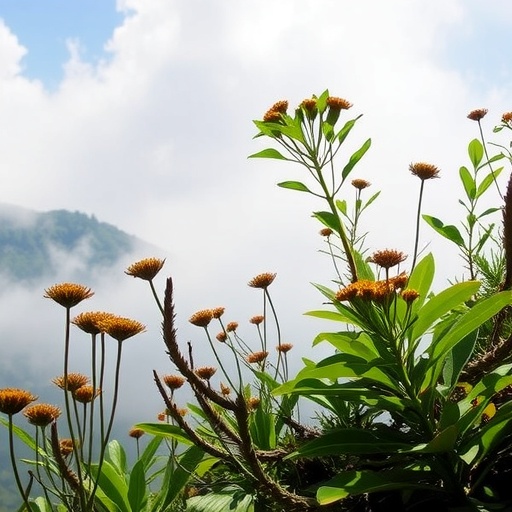
In an exploration of the intricate relationship between plant diversity and environmental gradients, a recent study published in Environmental Monitoring and Assessment sheds light on the biodiversity dynamics in Haveli Kahuta, Pakistan. This region, renowned for its varied ecological zones, serves as a living laboratory for understanding how different environmental factors, including altitude, soil type, and microclimate variations, influence the distribution of plant species. The research conducted by Bukhari et al. offers substantial ecological insights, underscoring the significance of diverse plant communities in sustaining ecosystems and supporting local biodiversity.
The study meticulously documents the plant species present in Haveli Kahuta, identifying over 150 different taxa across various ecological niches. By strategically selecting sites that capture a range of environmental conditions, the researchers were able to map the distribution patterns of these plant species with remarkable precision. This level of detail is crucial as it allows for a nuanced understanding of the ecological processes at play, particularly in relation to elevation and soil characteristics, which are known to impose significant constraints on plant growth and distribution.
One of the key findings of the research indicates that elevation plays a pivotal role in shaping plant diversity. As one ascends in altitude, distinct shifts in species composition and richness are observed. At lower elevations, the researchers noted a higher diversity of herbaceous plants, which gradually gave way to a dominance of woody species at higher altitudes. This pattern reflects the adaptive strategies of different plant groups, revealing how species have evolved to thrive in specific environmental conditions dictated by their surroundings.
Soil quality, another critical determinant examined in the study, exhibited a strong correlation with plant diversity. The researchers conducted comprehensive soil analyses, evaluating parameters such as pH, nutrient content, and organic matter levels. They discovered that certain plant species are tightly linked to specific soil types, leading to significant variations in species richness depending on the soil composition of each site. This relationship illustrates the importance of soil health in the management and conservation of plant diversity, emphasizing the need to protect these vital resources from degradation and pollution.
Local climatic conditions further complicate the picture of plant distribution in Haveli Kahuta. The study highlights how temperature and humidity gradients influence not just the presence but also the abundance of certain plant species. The researchers noted that areas with higher moisture levels tended to support lush vegetation, whereas drier sites displayed stark contrasts in plant cover. Such findings are essential for understanding how climate change may impact these ecosystems in the future, as shifting weather patterns could drastically alter the existing balance of plant communities.
Moreover, the research illustrates the interconnectedness of biodiversity and ecosystem services. Healthy plant communities are fundamental for maintaining ecological balance, providing numerous services that benefit both the environment and human populations. From carbon sequestration to soil stabilization and water regulation, the functions performed by diverse plant species are invaluable. The study underscores the importance of conserving these species, as their loss could have cascading effects on the larger ecosystem.
In light of the ecological insights provided by this research, the authors advocate for increased conservation efforts in Haveli Kahuta. Their findings offer a clear message about the need to prioritize biodiversity in policy-making and land management practices. By fostering a greater understanding of the ecological roles played by various plant species, stakeholders can make informed decisions that support sustainable development while preserving the unique environmental heritage of the region.
The authors also propose future research directions to further investigate the dynamics of plant diversity in response to anthropogenic pressures such as urbanization and agriculture. There is a pressing need to explore how human activities alter natural landscapes and disrupt ecological processes, potentially leading to a decline in plant species and habitat loss. Understanding these interactions will be crucial for developing effective conservation strategies that are resilient to ongoing environmental changes.
The cross-disciplinary nature of this research highlights the need for collaboration between ecologists, land managers, and policymakers. By sharing knowledge and resources, stakeholders can work together to develop comprehensive conservation plans that address both environmental sustainability and socio-economic needs of local communities. This collaborative approach is vital for creating a resilient future for the ecosystems of Haveli Kahuta.
Ultimately, the insights gleaned from the research conducted by Bukhari and colleagues serve as a reminder of the intrinsic value of biodiversity and the pressing need to protect our natural environments. As the study illustrates, every species plays a role in the intricate tapestry of life, contributing to the resilience of ecosystems and the health of our planet. Encouraging greater awareness and action towards biodiversity conservation is essential, not just for the flora of Pakistan, but for ecosystems worldwide facing similar threats and challenges.
As we continue to confront the realities of climate change and habitat loss, studies like this provide critical data that can inform policies and conservation efforts aimed at preserving the biodiversity that sustains our world. By understanding the ecological complexities of regions like Haveli Kahuta, we take a step towards fostering a more sustainable future where both humanity and nature can thrive in harmony.
Bukhari, S.T.H., Ahmad, K.S., Tayyib Riaz, M. et al. Ecological Insights into Plant Diversity and Distribution Along Environmental Gradients in Haveli Kahuta, Pakistan.
Environ Monit Assess 198, 101 (2026). https://doi.org/10.1007/s10661-025-14915-5
Cite Scienmag News
Margaret Porter. (January 7, 2026). Exploring Plant Diversity Across Haveli Kahuta’s Environments. Scienmag. https://scienmag.com/exploring-plant-diversity-across-haveli-kahutas-environments/
Margaret Porter. "Exploring Plant Diversity Across Haveli Kahuta’s Environments." Scienmag, 7 January 2026, https://scienmag.com/exploring-plant-diversity-across-haveli-kahutas-environments/. Accessed 4 September 2026.
Margaret Porter. "Exploring Plant Diversity Across Haveli Kahuta’s Environments." Scienmag. January 7, 2026. https://scienmag.com/exploring-plant-diversity-across-haveli-kahutas-environments/


