


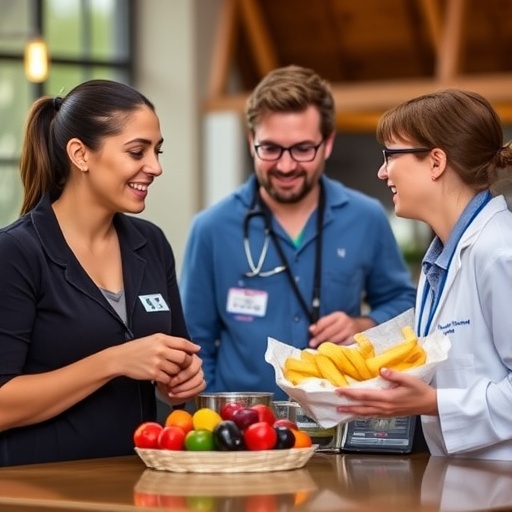
In a groundbreaking study published in BMC Medical Education, researchers have illuminated a vital yet often overlooked component of medical education—nutrition. The culinary medicine elective titled “Prospective Physicians for Fibre” has demonstrated its potential to significantly enhance dietary fiber intake and nutrition knowledge among German medical students. This initiative not only contributes to the academic advancement of these future physicians but also addresses a pressing public health issue: the widespread underconsumption of dietary fiber.
Dietary fiber is crucial for maintaining digestive health, regulating blood sugar levels, and reducing the risk of chronic diseases. Yet, despite its importance, most individuals fail to meet the recommended daily intake. Previous research has shown that medical professionals often lack adequate nutrition training, which could be contributing to this public health crisis. The “Prospective Physicians for Fibre” course aims to bridge this knowledge gap by equipping medical students with essential culinary skills and a robust understanding of nutrition’s impact on health.
The study engaged a diverse cohort of medical students who participated in the elective, focusing on practical cooking sessions and interactive lectures. Participants were encouraged not only to learn about fiber-rich foods but also to prepare and consume them. This hands-on approach proved to be a game-changer, enabling students to grasp the significance of dietary choices in a tangible way. As students prepared meals that emphasized fiber, they became more mindful of the ingredients and the overall nutritional value of their diets.
One of the standout features of the elective was its emphasis on collaborative learning. Students worked in groups to create recipes, fostering a team-oriented environment that encouraged knowledge sharing. This social aspect not only made learning enjoyable but also reinforced the idea that healthy eating is a collective endeavor. By the end of the elective, students reported increased confidence in their culinary abilities and a heightened awareness of the role of nutrition in patient care.
The results of the study, gathered through pre-and post-course assessments, were remarkable. There was a significant increase in both fiber intake and nutrition knowledge among participants. Students expressed a newfound appreciation for the importance of dietary fiber, recognizing its health benefits not just for themselves but also for their future patients. This shift in mindset is essential as these medical students prepare to enter a healthcare system where nutrition is frequently marginalized.
The findings of this research hold significant implications for medical education curricula worldwide. By incorporating culinary medicine electives into training programs, medical schools can better prepare future healthcare professionals to tackle issues related to diet and nutrition. This initiative goes beyond theoretical knowledge; it empowers students to apply what they learn in a practical, impactful way—one that may resonate with their future patients.
Moreover, the focus on fiber intake addresses an urgent public health concern. High-fiber diets have been linked to lower risks of obesity, diabetes, and cardiovascular diseases. By equipping future doctors with the knowledge and skills to promote healthful eating, the “Prospective Physicians for Fibre” course may indirectly contribute to the prevention of these chronic diseases in the broader population. The ripple effect of such educational initiatives could be profound.
In addition to enhancing specific skills, there is a broader cultural shift occurring within the medical community. As more medical students advocate for nutrition’s essential role in health, the future of medical practice may become more holistic. Healthcare providers who are knowledgeable about nutrition are likely to emphasize preventive care rather than just addressing illnesses after they arise. This paradigm shift is crucial for advancing public health standards and reducing the burden of lifestyle-related diseases.
The elective’s curriculum also highlighted the significance of a personalized approach to nutrition. Medical students learned that dietary needs can vary significantly among individuals based on factors such as age, gender, ethnicity, and underlying health conditions. This nuance is critical for future physicians who will inevitably encounter diverse patient populations. Understanding these complexities allows for tailored nutritional guidance that can enhance patient compliance and improve health outcomes.
Furthermore, the project underscores the necessity for continuous education in the medical field. As nutritional science evolves, so must the knowledge base of healthcare providers. Ongoing training and electives focusing on nutrition can ensure that healthcare providers remain current with the latest research and guidelines. The “Prospective Physicians for Fibre” initiative serves as a model for other programs aimed at incorporating broader aspects of health and wellness into the medical curriculum.
In conclusion, the culinary medicine elective “Prospective Physicians for Fibre” is an innovative approach to medical education that has the potential to transform how future healthcare professionals perceive and promote nutrition. By integrating practical cooking and deeper understanding of dietary fiber into training, medical schools can play a pivotal role in reshaping health outcomes for generations to come. The ripple effects of such an educational shift promise not only to enhance the quality of care but also to cultivate a healthier society overall.
As this research garners attention, it raises questions about the future of medical education and the necessary steps to ensure that future healthcare providers are fully equipped to manage the intricate relationship between diet, health, and disease prevention. The “Prospective Physicians for Fibre” course brings us one step closer to a healthcare system that prioritizes nutritional education as a foundational element of patient care.
Stübing, F., Herter, J., Huber, R. et al. The culinary medicine elective “Prospective Physicians For Fibre” improves fibre intake and nutrition knowledge in German medical students.
BMC Med Educ (2026). https://doi.org/10.1186/s12909-025-08547-z
Cite Scienmag News
Daisy Hatcher. (January 6, 2026). Elective Boosts Fiber Intake in German Medical Students. Scienmag. https://scienmag.com/elective-boosts-fiber-intake-in-german-medical-students/
Daisy Hatcher. "Elective Boosts Fiber Intake in German Medical Students." Scienmag, 6 January 2026, https://scienmag.com/elective-boosts-fiber-intake-in-german-medical-students/. Accessed 4 September 2026.
Daisy Hatcher. "Elective Boosts Fiber Intake in German Medical Students." Scienmag. January 6, 2026. https://scienmag.com/elective-boosts-fiber-intake-in-german-medical-students/


