


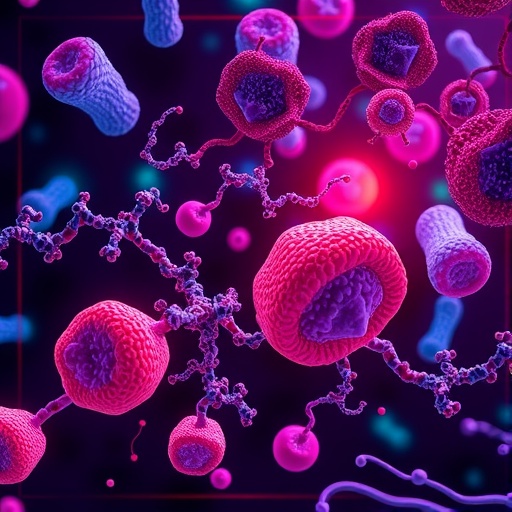
Recent advancements in the understanding of the human microbiome have sparked significant interest in its role in both tumorigenesis and immune responses. A recent study conducted by researchers Chen, Fang, and Lyu sheds light on how the microbiome can modulate these critical biological processes. While the conventional understanding of cancer has typically centered around genetic and environmental factors, this emerging research suggests that the intricate ecosystem of microorganisms residing in the human body plays a pivotal role in shaping not only our health but also our susceptibility to diseases such as cancer.
The research highlights how specific microbiota contribute to tumor development and progression. The findings suggest that variations in microbial composition can influence the initiation of tumorigenesis, with some microbes promoting cancerous growth while others may have protective effects. This duality underscores the complexity of the microbiome’s relationship with cancer and the necessity of considering these microorganisms in cancer prevention strategies.
Additionally, the effects of the microbiome on the immune response present an equally compelling aspect of this research. It is well established that the immune system is essential for combatting cancer cells. The study points out that certain bacteria, through their metabolic byproducts, can enhance the immune system’s ability to identify and destroy malignant cells. Conversely, dysbiosis—an imbalance in microbial ecosystems—can lead to immune suppression, creating an environment conducive to tumor development.
One fascinating aspect of the findings is the identification of specific bacterial strains which seem to have a pronounced impact on tumor immunity. For instance, the presence of certain beneficial bacteria was found to correlate with enhanced anti-tumor immunological responses. This opens up exciting avenues for developing microbiota-based therapies that could potentially amplify the efficacy of existing cancer treatments, such as immunotherapy.
Interestingly, the researchers also noted that the modulation of the microbiome could have therapeutic implications beyond tumorigenesis. By manipulating the gut microbiota, they proposed that it may be possible to not only treat existing tumors but also prevent new ones from forming. Dietary interventions, probiotic supplementation, and even fecal microbiota transplants could be explored as viable strategies for influencing this microbial landscape.
Furthermore, the cross-talk between the microbiome and the host immune system offers additional insights into how lifestyle factors such as diet, exercise, and stress management may impact cancer risk. The authors emphasize the importance of personalizing treatment and prevention approaches, taking into account an individual’s unique microbiome. This personalized perspective could revolutionize how we approach cancer care, moving away from a one-size-fits-all model to a more tailored strategy.
Moreover, the study underscores the need for further research into the specific mechanisms by which the microbiome interacts with cancerous cells and immune responses. Understanding these intricate pathways will be crucial for the development of targeted therapies that are more effective and have fewer side effects than conventional treatments.
The implications of this research extend beyond cancer alone; they touch on broader issues such as overall metabolic health and chronic disease prevention. The microbiome has been implicated in various health conditions, from obesity to autoimmune diseases, showcasing its far-reaching influence on human health. This interconnectedness illustrates why the microbiome should be recognized as a fundamental element of biological research.
In conclusion, the research conducted by Chen, Fang, and Lyu opens a promising frontier in the battle against cancer. By elucidating the roles of the microbiome in tumorigenesis and immune modulation, we not only gain insights into the complexities of cancer biology but also pave the way for new therapeutic strategies that could drastically improve patient outcomes. The call for an integrated approach to cancer prevention and treatment, which considers an individual’s microbiome alongside traditional medical therapies, is both timely and necessary. The integration of microbiome research into cancer care could soon transform how we understand and combat this multifaceted disease.
As we move forward, it will be essential for scientists and healthcare providers to work collaboratively, leveraging this new knowledge to benefit patient care in real-world settings. This research serves as a reminder of the importance of continuing to explore the hidden realms of the microbiome and its undeniable impact on human health.
Chen, Y., Fang, Y., Lyu, Z. et al. Microbiome modulation of tumorigenesis and immune responses. J Biomed Sci 33, 4 (2026). https://doi.org/10.1186/s12929-025-01208-9
Cite Scienmag News
Arthur F. (January 5, 2026). Microbiome’s Impact on Cancer and Immune Response. Scienmag. https://scienmag.com/microbiomes-impact-on-cancer-and-immune-response/
Arthur F. "Microbiome’s Impact on Cancer and Immune Response." Scienmag, 5 January 2026, https://scienmag.com/microbiomes-impact-on-cancer-and-immune-response/. Accessed 29 August 2026.
Arthur F. "Microbiome’s Impact on Cancer and Immune Response." Scienmag. January 5, 2026. https://scienmag.com/microbiomes-impact-on-cancer-and-immune-response/
![High-Contrast [¹⁸F]SiTATE PET/CT Imaging Maps Somatostatin Receptors in Meningiomas](https://scienmag.com/wp-content/plugins/wp-fastest-cache-premium/pro/images/blank.gif)

