


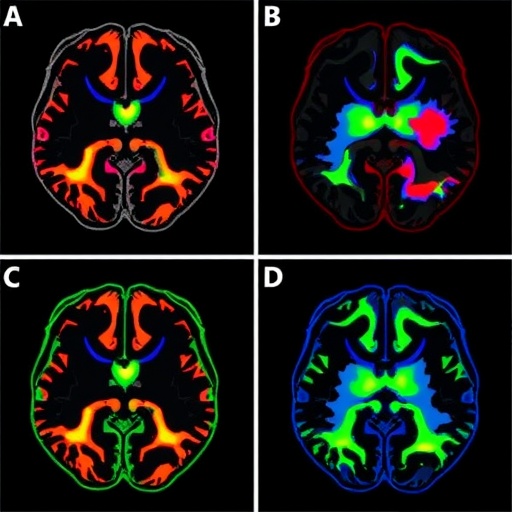
In recent years, the landscape of neurodegenerative diseases has undergone transformative changes, particularly in our understanding of frontotemporal dementia (FTD). A recent groundbreaking study conducted by Silva-Llanes et al. has unveiled a novel therapeutic target within this affliction: GASDERMIN D-mediated pyroptosis. This innovative approach offers a new lens through which to view tau-mediated neurodegeneration, a hallmark of certain neurodegenerative disorders, including FTD. Notably, the implications of targeting pyroptosis in the context of tau pathology could reshape how we approach therapeutic interventions in these debilitating diseases.
Pyroptosis, a form of programmed cell death characterized by the release of pro-inflammatory cytokines, has been a focal point of recent research in the realm of neuroinflammation and neurodegeneration. The intricate relationship between tau protein aggregation and neuroinflammatory processes has piqued the interest of scientists, as the two phenomena appear to exacerbate each other. The study by Silva-Llanes and colleagues specifically highlights GASDERMIN D, a pivotal protein implicated in pyroptosis, as a potential therapeutic target within a tau-dependent FTD mouse model. This discovery could herald a new era in the treatment of tauopathies by targeting inflammatory pathways.
The role of GASDERMIN D in neuronal inflammation and cell death cannot be overstated. Previous studies have established that this protein acts as a critical mediator in the pyroptotic cell death pathway. During the pyroptosis process, GASDERMIN D is cleaved into its active form, resulting in the formation of pores in the cell membrane. These pores ultimately lead to cellular swelling and rupture, releasing intracellular contents, including inflammatory cytokines such as IL-1β and IL-18. This inflammatory cascade can either be beneficial, in terms of recruiting immune cells to clear debris and fight infections, or detrimental when overstimulated in chronic neurodegeneration.
By employing a tau-dependent FTD mouse model, Silva-Llanes and their team elucidated the precise mechanisms by which GASDERMIN D mediates pyroptosis in neurons. Importantly, the study revealed a direct correlation between tau hyperphosphorylation and the activation of the pyroptotic pathway. This finding suggests that tau pathology could instigate pyroptosis, intensifying neuroinflammatory responses and neuronal death. As a result, targeting GASDERMIN D may not only impede the pyroptotic processes but also mitigate the neuroinflammatory milieu typically associated with tauopathies.
Interestingly, the implications of this research extend beyond merely dampening cell death. The study posits that attenuating pyroptosis could also enhance neuroprotection in the context of tau-associated FTD. By stabilizing neuronal function and reducing the overall inflammatory load in the brain, fostering an environment conducive to neuronal survival becomes achievable. This perspective signals a departure from traditional neuroprotective strategies that primarily focus on removing toxic aggregates or promoting neuronal resilience.
Furthermore, the insights gleaned from Silva-Llanes et al. prompt a reevaluation of existing therapeutic modalities. Current treatments in the arena of FTD have met with limited success, necessitating innovative strategies that address the underlying mechanisms of disease progression. The identification of GASDERMIN D as a target for intervention presents a potentially game-changing approach. Converging existing anti-inflammatory therapies with novel GASDERMIN D inhibitors could offer synergistic effects, heralding a more holistic treatment paradigm that tackles both tau pathology and neuroinflammation.
The study highlights the translational potential of targeting pyroptosis in FTD, with implications that could transcend this specific condition. With tauopathies implicated in various neurodegenerative diseases, including Alzheimer’s and progressive supranuclear palsy, the relevance of GASDERMIN D as a target warrants broader investigation. As research progresses, establishing the timing and methodology for inhibitor implementation remains a crucial consideration for clinical application.
Moreover, the mechanics of translating findings from animal models to human patients is a complex yet necessary endeavor. While the efficacy of GASDERMIN D inhibitors is yet to be established in clinical settings, the foundational research underscores the importance of understanding tau’s role in fostering not just neurodegeneration, but an accompanying chronic inflammatory state that perpetuates neuronal loss. Researchers now face the challenge of devising trials that will confirm these findings, exploring various pathways of intervention that could emerge from this line of investigation.
Despite the promising nature of this research, challenges remain. The intricacies of human tauopathies and the multifaceted nature of neuroinflammation necessitate a deeper understanding of the interplay between GASDERMIN D-mediated pyroptosis and other cellular pathways, including autophagy and apoptosis. Future studies aimed at unraveling these connections will be crucial for developing comprehensive treatment strategies that leverage the engaged mechanisms within neurodegeneration.
In conclusion, Silva-Llanes and their team’s exploration of GASDERMIN D-mediated pyroptosis in tau-dependent FTD models sheds light on a novel therapeutic target that could redefine our approach to neurodegenerative diseases. The compelling link between tau pathology and pyroptotic cell death offers new avenues for therapeutic intervention, advancing our understanding of the inflammatory processes that drive neurodegeneration. As researchers delve deeper into this intricate relationship, the potential to revolutionize treatment for FTD and other tauopathies becomes an increasingly tangible goal, underscoring the dynamic nature of modern biomedical research.
In essence, the work presented by Silva-Llanes et al. signifies not merely a step forward but a leap into a future where understanding the underlying mechanisms of neurodegenerative diseases might empower us to implement truly effective therapeutic solutions. As we continue to dissect the complexities of neuroinflammation and neurodegeneration, the spotlight on GASDERMIN D illuminates a path brimming with potential, ultimately giving hope to millions faced with the specter of these debilitating conditions.
Cite Scienmag News
Cassandra Pierce. (January 5, 2026). Targeting GASDERMIN D in TAU-related frontotemporal dementia. Scienmag. https://scienmag.com/targeting-gasdermin-d-in-tau-related-frontotemporal-dementia/
Cassandra Pierce. "Targeting GASDERMIN D in TAU-related frontotemporal dementia." Scienmag, 5 January 2026, https://scienmag.com/targeting-gasdermin-d-in-tau-related-frontotemporal-dementia/. Accessed 3 September 2026.
Cassandra Pierce. "Targeting GASDERMIN D in TAU-related frontotemporal dementia." Scienmag. January 5, 2026. https://scienmag.com/targeting-gasdermin-d-in-tau-related-frontotemporal-dementia/


