


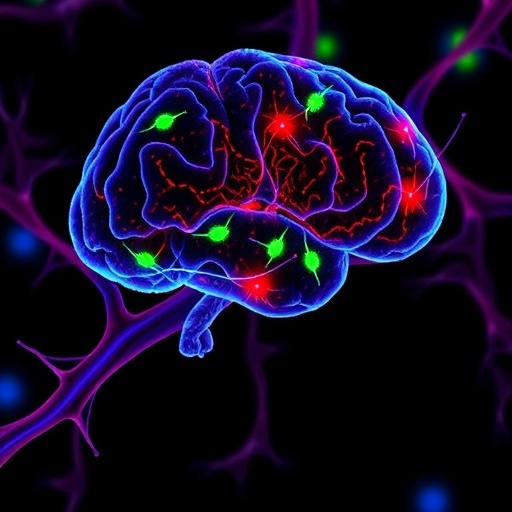
In the realm of neurological research, the pursuit of innovative therapies for neurodegenerative diseases remains a critical focus. Parkinson’s disease, a debilitating condition characterized by motor control loss and other debilitating symptoms, has intrigued scientists for decades. Recent research spearheaded by a team led by Z. Tian and colleagues shines a light on the potential benefits of transcranial direct current stimulation (tDCS) in combating the adverse effects associated with this condition. Their findings indicate that tDCS may restore an important cellular process known as autophagic homeostasis, which could usher in new therapeutic strategies for Parkinson’s disease.
At its core, Parkinson’s disease is marked by the progressive degeneration of dopamine-producing neurons in the brain. This degeneration leads to a cascade of detrimental effects, disrupting normal motor function and leading to both motor and non-motor symptoms. One of the ongoing challenges in treating Parkinson’s is the need for therapies that can halt or slow down the progression of neuronal damage. The innovative use of tDCS presents a fascinating approach to this problem, opening the door to both clinical and experimental applications.
Transcranial direct current stimulation works by applying a low electrical current to the scalp, which alters neuronal activity. This non-invasive technique has gained traction due to its potential to enhance neuroplasticity, the brain’s ability to reorganize and adapt in response to various stimuli. By modulating neural circuits, tDCS can improve cognitive function and facilitate recovery from neurological injuries. As a result, it has emerged as a promising avenue in treating various neurological disorders.
Recent studies, including the research by Tian et al., suggest that tDCS may also have neuroprotective properties. These properties stem from its ability to influence cellular mechanisms in the brain. One crucial mechanism that the researchers focused on is autophagy, a cellular process responsible for degrading and recycling damaged components within neurons. Disruptions in autophagic processes have been implicated in the pathogenesis of Parkinson’s disease, making this area ripe for exploration.
The study conducted by Tian and colleagues demonstrated that when tDCS was applied to models of Parkinson’s disease, there was a noticeable restoration of autophagic homeostasis, particularly through the modulation of a protein known as Mlst8. This protein plays a pivotal role in the regulation of autophagy, and its restoration indicates that tDCS could address not just symptoms but the underlying cellular dysfunction associated with neuronal degeneration. This discovery is significant as it points to the potential for tDCS to serve as both a therapeutic intervention and a means of restoring normal cellular function.
To establish the efficacy of this neuroprotective effect, the researchers conducted a series of comprehensive experiments. These experiments involved multiple models of Parkinson’s disease, including both in vitro and in vivo studies. The robustness of the findings strengthens the validity of tDCS as a formidable contender in the treatment landscape for neurodegenerative conditions. The implications of these findings could transcend beyond Parkinson’s, suggesting that tDCS may have broader applications in the realm of neuroprotection.
An intriguing aspect of the work by Tian et al. is the identification of the underlying molecular pathways influenced by tDCS. The restoration of Mlst8-mediated autophagic homeostasis illuminates the foundational biological processes at play, providing insights that could inform future therapeutic strategies. Understanding these pathways allows scientists to pinpoint modalities for intervention that may enhance the efficacy of tDCS or similar techniques.
Despite the promise that tDCS presents, it is crucial to consider the challenges that lie ahead in translating these findings into clinical practice. As with any emerging treatment modality, optimization of parameters—including current intensity, duration, and frequency of stimulation—needs further exploration to maximize therapeutic outcomes. Additionally, the long-term effects of tDCS treatments must be thoroughly assessed through comprehensive clinical trials to ensure safety and efficacy in human populations.
The research spearheaded by Tian and his team adds a vital piece to the intricate puzzle that is Parkinson’s disease treatment. The ability of tDCS to exert a protective effect while influencing important cellular pathways underscores the importance of integrating novel therapeutic strategies into clinical practice. The next steps will involve meticulous investigation into how these findings can be adapted for individualized patient care in the real world.
While the journey towards effective Parkinson’s disease treatments is challenging and often fraught with setbacks, the development of technologies like tDCS offers hope. By harnessing the brain’s inherent capacity for repair and regeneration, researchers continue to pave the way for innovative therapies that could ultimately improve quality of life for millions suffering from neurodegenerative diseases.
As we look towards the future, the integration of advanced neuromodulation techniques into treatment protocols may very well reshape how clinicians approach neurodegenerative disorders. The potential for tDCS to influence not only symptom management but also the underlying disease mechanisms represents a paradigm shift in our understanding of therapeutic interventions for conditions such as Parkinson’s disease.
In conclusion, the groundbreaking research led by Z. Tian and his colleagues heralds a new dawn in the quest for effective Parkinson’s disease therapies. By restoring autophagic homeostasis through tDCS, we may be witnessing the beginning of a new chapter that transcends traditional approaches to neurodegeneration. As research continues to unfold, the hopes of those affected by Parkinson’s will rest in the hands of our innovative scientists and their relentless pursuit of progress.
Tian, Z., Long, C., Wei, J. et al. Transcranial direct current stimulation exerts neuroprotective effects in Parkinson’s disease by restoring Mlst8-mediated autophagic homeostasis.
J Transl Med (2026). https://doi.org/10.1186/s12967-025-07597-7
Cite Scienmag News
Cassandra Pierce. (January 3, 2026). DC Stimulation Protects Neurons in Parkinson’s Disease. Scienmag. https://scienmag.com/dc-stimulation-protects-neurons-in-parkinsons-disease/
Cassandra Pierce. "DC Stimulation Protects Neurons in Parkinson’s Disease." Scienmag, 3 January 2026, https://scienmag.com/dc-stimulation-protects-neurons-in-parkinsons-disease/. Accessed 4 September 2026.
Cassandra Pierce. "DC Stimulation Protects Neurons in Parkinson’s Disease." Scienmag. January 3, 2026. https://scienmag.com/dc-stimulation-protects-neurons-in-parkinsons-disease/


