


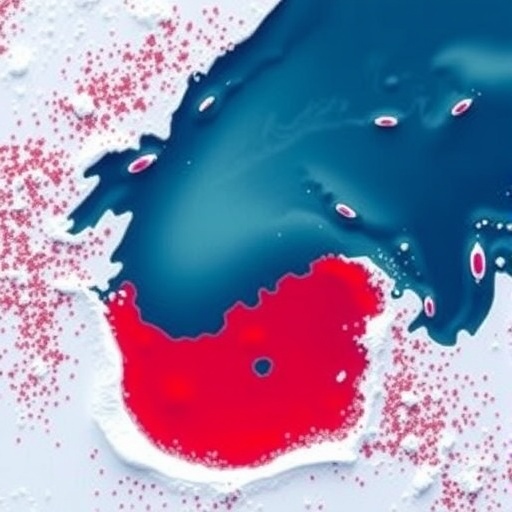
In a compelling new study, scientists have revealed a previously underappreciated phenomenon: the expansive coverage of red snow algae blooms in the Antarctic coastal snowfields. This groundbreaking research emerges from rigorous investigations undertaken by a dedicated team of researchers, including prominent figures such as A. Román and G. Navarro. The exploration of these vibrant algal blooms offers not only a glimpse into an intriguing ecological dynamic but also raises essential questions regarding climate change and its repercussions on polar ecosystems.
Red snow algae, scientifically known as Chlamydomonas nivalis, thrive in harsh, cold environments, turning snowfields into a vivid spectacle of red hues. During the summer months, specifically between November and February, these algae undergo a rapid period of growth, driven largely by the melting ice and snow due to increasing temperature changes in these frigid regions. The study highlights how these organisms manage to flourish in extreme conditions, competing for light and nutrients while being subjected to freezing temperatures and varying water availability.
The phenomenon of red snow has been observed for centuries, historically noted by explorers and scientists alike. However, it is the recent technology advancements in remote sensing that have propelled this research into new realms. Utilizing satellite imagery and high-resolution aerial photographs, the research team successfully mapped the distribution of these blooms across the Antarctic landscapes. This innovative approach allowed scientists not only to quantify the extent of the blooms but also to understand better the environmental conditions that foster their growth.
As the researchers delved deeper into the environmental factors associated with these red blooms, they discovered the significant role that melting snow plays. The study suggests that warming temperatures caused by climate change contribute to extensive algal proliferation in coastal regions. This raises alarms, as enhanced growth of snow algae can affect albedo—the reflectivity of the Earth’s surface—thereby influencing temperature regulation and broader climatic patterns.
In addition to their striking appearance, red snow algae carry considerable implications for local ecosystems. The pigments in the algae, specifically carotenoids, are believed to provide photoprotection from harmful UV radiation, particularly in the thinning ozone layer over these polar regions. Moreover, the algae contribute to nutrient cycling within their environments, thus playing a critical role in the ecological balance of these remote habitats. As these ecosystems face the pressures of a shifting climate, understanding the interaction between red snow algae and their surrounding environments is more important than ever.
The findings of this research not only contribute to our understanding of algal dynamics in polar regions but also touch upon the broader implications that such ecological changes may induce. The study sheds light on how changes in plant biology can influence region-wide phenomena, including seasonal biodiversity shifts and food web alterations. This interconnectedness highlights the need for further study, as unchecked changes in algal blooms could tip the balance of these fragile ecosystems.
One of the more alarming conclusions drawn from this study relates to feedback loops within climate systems. Increased red algae blooms can lead to reduced albedo, causing more heat absorption and further ice melt—a cycle that could accelerate climate change. Such insights underscore the urgency for policymakers and environmental agencies to incorporate these findings into climate action strategies.
Furthermore, the study contributes to scientific discourse surrounding the importance of biodiversity in resilience against climate change. As red snow algae adapt to coping with hostile climates, understanding their genetic makeup and adaptability might offer insights into the resilience of other species. Investigating these adaptations could lead to innovative advancements in biotechnology and conservation practices, as scientists look to leverage these mechanisms in combating global warming effects.
The research also opens avenues for further inquiries. Questions arise about the long-term sustainability of these algal populations, the potential impact of tourism in these regions, and how alterations in snow algae distributions may affect other flora and fauna. As climate conditions continue to evolve, so too will the challenges faced by Antarctic ecosystems—a reminder of our interconnected existence with the natural world.
There remains a need for detailed studies exposing the full extent of red snow algae’s influence on crustaceans, fish, and bird populations within Antarctic waters. Exploring these connections can provide a holistic understanding of how changes in one species can cascade through entire ecosystems. Moreover, understanding how these organisms might fare as climate conditions change will be essential for predicting future ecological dynamics.
As climate scientists and ecologists push the envelope in their research, the significance of red snow algae cannot be overstated. Their existence serves as ecological indicators of climate health, revealing the intricacies of life while facing the challenges posed by our changing planet. The vibrant red hues of melting snowfields articulate a stark narrative demanding attention; these ecological alarm bells highlight the urgency to foster sustainable practices and global awareness around climate change and biodiversity preservation.
Through methods that marry cutting-edge technology and field studies, research like this showcases science’s vital role in informing the public and policymakers alike about the complex changes happening in the polar regions. Communicating findings effectively nurtures an informed community that can rally behind initiatives focused on environmental stewardship, ensuring that the nuances of red snow algae continue to contribute invitingly to the discourse surrounding climate sustainability.
Summing up, the discovery of extensive red snow algae coverage in Antarctic snowfields opens a new chapter in our understanding of polar ecosystems and the inherent complexities associated with them. Scientists like Román, Navarro, and Barbero are paving the way for future research that will further illuminate these environmental phenomena and provoke ongoing dialogue regarding climate action, conservation, and the preservation of biodiversity across the globe.
Román, A., Navarro, G., Barbero, L. et al. Unveiling the large coverage of red snow algae blooms in antarctic coastal snowfields.
Commun Earth Environ (2026). https://doi.org/10.1038/s43247-025-03156-6
Cite Scienmag News
Violet Maxwell. (January 3, 2026). Mapping Widespread Red Snow Algae in Antarctica. Scienmag. https://scienmag.com/mapping-widespread-red-snow-algae-in-antarctica/
Violet Maxwell. "Mapping Widespread Red Snow Algae in Antarctica." Scienmag, 3 January 2026, https://scienmag.com/mapping-widespread-red-snow-algae-in-antarctica/. Accessed 1 September 2026.
Violet Maxwell. "Mapping Widespread Red Snow Algae in Antarctica." Scienmag. January 3, 2026. https://scienmag.com/mapping-widespread-red-snow-algae-in-antarctica/


