


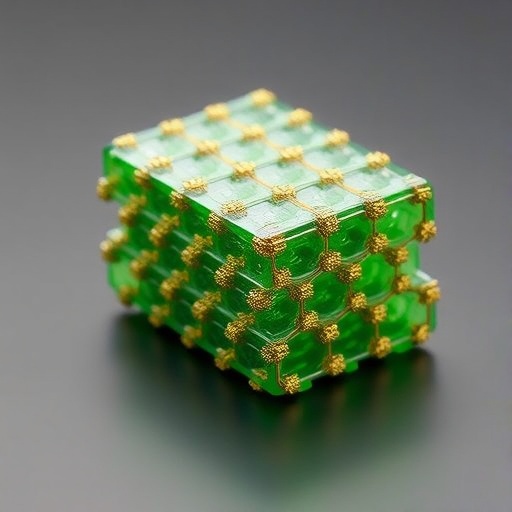
In the expansive realm of energy storage technologies, the design and development of materials that enhance performance and efficiency is crucial. A groundbreaking study conducted by Ranjithkumar et al. presents a novel composite material that integrates multi-walled carbon nanotubes (MWCNT) with cobalt molybdenum oxide (CoMoO4). This research not only contributes significantly to the field of asymmetric supercapacitors but also opens new avenues for sustainable energy applications. The results of this study promise to revolutionize how we approach energy storage solutions, particularly in the context of high-performance devices that require rapid charge and discharge cycles.
The journey of energy storage has taken multiple turns over the past decade, with supercapacitors gaining prominence due to their exceptional power density, rapid charge-discharge capabilities, and long cycle life. The incorporation of advanced materials into supercapacitor systems is paramount, as it directly influences their overall performance. MWCNTs have emerged as a key component in enhancing the electrical conductivity, surface area, and mechanical stability of composite materials. By effectively exploiting the properties of MWCNTs, researchers can create composites that not only store energy efficiently but also withstand rigorous operational demands.
Cobalt molybdenum oxide, the other half of this composite duo, is known for its remarkable electrochemical performance and high electroactive surface area. When paired with MWCNTs, the composite material showcases synergistic effects that subsequently bolster the performance metrics of supercapacitors. This research underscores the importance of material interactions at the microscopic level, where the amalgamation of these two substances results in an optimized architecture for energy storage applications. By fine-tuning the composite design, Ranjithkumar et al. successfully enhance the electrochemical characteristics, translating into superior performance for asymmetric supercapacitors.
The experimental phase of the study involved the meticulous synthesis of the MWCNT–CoMoO4 composite, which included various formulations of the components to ascertain the optimal ratio for performance enhancement. The researchers employed advanced techniques such as X-ray diffraction and scanning electron microscopy to analyze the structural and morphological properties of the synthesized materials. These sophisticated characterization techniques revealed crucial insights into how the MWCNTs interacted with CoMoO4 at a molecular level, offering an understanding of how the material’s architecture could be adjusted for maximum efficiency.
Moreover, the electrochemical performance of the developed composite was extensively evaluated through a series of cyclic voltammetry tests and galvanostatic charge-discharge cycles. The data collected during these tests indicated that the MWCNT–CoMoO4 composite exhibited superior specific capacitance compared to traditional supercapacitor materials. This significant enhancement can primarily be attributed to the increased surface area and electrical conductivity imparted by the MWCNTs, amplifying the overall charge storage capacity of the composite.
In practical applications, the implications of this research are vast. As energy demands continue to rise globally, the need for efficient, sustainable, and high-performance energy storage systems has never been more pressing. The MWCNT–CoMoO4 composite, with its enhanced supercapacitor performance, positions itself as a prospective candidate for various applications ranging from electric vehicles to portable electronic devices. The integration of such advanced materials into consumer technology could lead to devices that charge faster, last longer, and operate more reliably under diverse conditions.
Furthermore, the environmental impact of energy storage solutions is an essential consideration in today’s sustainable development agenda. The potential for MWCNTs and CoMoO4 to be sourced from more sustainable processes would significantly enhance the feasibility of their widespread use in green technologies. Focusing on sustainable sourcing and processing of these materials will be vital for researchers and manufacturers, aligning with the global push for greener and more responsible energy solutions.
The collaborative nature of this research also highlights the interdisciplinary approach needed in advancing energy storage technologies. The melding of materials science, chemistry, and electrical engineering expertise reflects a trend toward synergy in research practices that are vital for addressing complex challenges in energy storage. Such collaborative efforts could pave the way for continued innovations in supercapacitor technologies, leading to smarter energy systems that meet the demands of the future.
In conclusion, the research conducted by Ranjithkumar et al. marks a significant advancement in the field of asymmetric supercapacitors. The innovative MWCNT–CoMoO4 composite is not just a testament to the power of material science but also a glimpse into the future of energy storage technologies. As scientists continue to explore new materials and combinations, the possibility of creating even more efficient and sustainable energy storage solutions becomes increasingly tangible. This research lays the groundwork for future studies that will undoubtedly expand our understanding of supercapacitor technology and its role in enabling a sustainable energy future.
As we advance into a new era of energy technology, the findings from this study will serve as a benchmark for future innovations. The pursuit of higher performance, longer-lasting, and environmentally conscious energy storage solutions will glean insights from this research. By fostering an environment of collaboration and innovation, researchers can help transform the landscape of energy storage, ultimately contributing to a more sustainable and efficient energy future for all.
Ranjithkumar, A., Kannakumar, K., Ganesh Babu, L. et al. Design and development of MWCNT–incorporated CoMoO4 composite for enhanced asymmetric supercapacitor performance.
Ionics (2025). https://doi.org/10.1007/s11581-025-06921-x
Cite Scienmag News
Denise Maddox. (December 29, 2025). Enhanced Asymmetric Supercapacitor via MWCNT-CoMoO4 Composite. Scienmag. https://scienmag.com/enhanced-asymmetric-supercapacitor-via-mwcnt-comoo4-composite/
Denise Maddox. "Enhanced Asymmetric Supercapacitor via MWCNT-CoMoO4 Composite." Scienmag, 29 December 2025, https://scienmag.com/enhanced-asymmetric-supercapacitor-via-mwcnt-comoo4-composite/. Accessed 6 September 2026.
Denise Maddox. "Enhanced Asymmetric Supercapacitor via MWCNT-CoMoO4 Composite." Scienmag. December 29, 2025. https://scienmag.com/enhanced-asymmetric-supercapacitor-via-mwcnt-comoo4-composite/


