


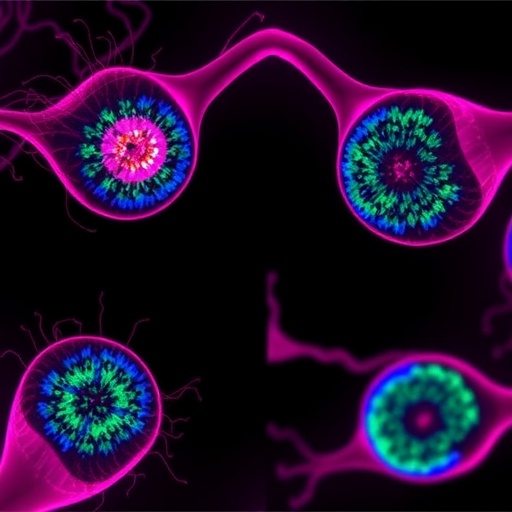
Recent research has illuminated the intricate interplay between the immune system and metabolic functions in relation to Polycystic Ovary Syndrome (PCOS). Specifically, the study conducted by Zhang et al. uncovers a significant regulatory mechanism involving Dipeptidyl Peptidase-4 (DPP4) and its influence on ferroptosis, a form of regulated cell death characterized by the iron-dependent accumulation of lipid peroxidation products. This study aims to enhance our understanding of endometrial receptivity, which is crucial for implantation and fertility in individuals affected by PCOS.
DPP4, an enzyme known for its role in glucose metabolism and immune regulation, has been implicated in various metabolic disorders. This enzyme not only affects insulin signaling but also modulates inflammatory responses. Zhang and colleagues delve deeper into the pathways through which DPP4 may influence ferroptosis, thus providing new insights into the pathophysiology of PCOS. By exploring the regulatory role of DPP4, the research presents a multifaceted approach to tackling the metabolic and reproductive aspects of the syndrome.
Ferroptosis, while initially studied in the context of cancer, has emerged as a significant player in various diseases, including neurodegeneration and, notably, reproductive health. The researchers propose that the mechanisms governing ferroptosis in the endometrial tissue could be directly linked to DPP4 activity. Their investigation seeks to determine whether inhibiting DPP4 can prevent ferroptosis and subsequently improve endometrial receptivity during the reproductive cycle.
Endometrial receptivity is a crucial factor influencing the success of implantation in assisted reproductive technologies. In individuals with PCOS, abnormalities in the endometrium are frequently observed, which complicate their fertility outcomes. This brings to light the importance of identifying therapeutic targets that can ameliorate these aberrations. The study conducted by Zhang et al. posits that modifying DPP4 levels could serve as an innovative approach to enhance endometrial receptivity and improve fertility rates in affected individuals.
An intriguing aspect of this research is the potential link between metabolic health and reproductive success. The authors emphasize the necessity of understanding how metabolic dysfunctions, often seen in individuals with PCOS, can adversely affect reproductive health. By examining the intersection of DPP4, ferroptosis, and endometrial receptivity, this study heralds a new horizon in the quest for effective treatments for individuals struggling with fertility due to PCOS.
The significance of DPP4 as a therapeutic target becomes increasingly relevant when considering the broader implications of this enzyme’s activity in various biological systems. Given that DPP4 inhibitors are already used in the treatment of type 2 diabetes, the transition of this research from basic science into potential therapeutic applications could pave the way for improved management strategies for women facing reproductive challenges. This presents a compelling case for further clinical studies that assess the impact of DPP4 modulation on reproductive health in PCOS.
Zhang et al. also emphasize the importance of ferroptosis in maintaining cellular homeostasis, particularly within the endometrial environment. Utilizing various in vivo and in vitro models, the study methodically examines how the perturbation of ferroptosis pathways can lead to detrimental outcomes for reproductive processes. Understanding the regulatory mechanisms underlying ferroptosis may facilitate the development of novel interventions that address both the metabolic and reproductive dysfunctions associated with PCOS.
Emerging evidence from the literature suggests that oxidative stress plays a crucial role in ferroptosis, highlighting the potential for antioxidants to mitigate this process. The study’s integrative approach opens up discussions regarding the viability of antioxidant therapies in combination with DPP4 inhibition to optimize outcomes for women with PCOS. This is particularly relevant given the complex interplay of oxidative responses in both metabolic disorders and reproductive health.
Moreover, analyzing patient-derived samples may provide further insights into the clinical relevance of the findings. The inclusion of diverse populations in future studies could elucidate genetic variations that affect DPP4 and ferroptosis pathways, ultimately personalizing treatment options for individuals with PCOS. The personalized medicine approach is well aligned with the current trends in healthcare, focusing on tailored solutions based on individual patient profiles.
The authors conclude that the findings from this study not only deepen our understanding of PCOS but also foster the exploration of targeted therapeutic interventions. They stress the need for continued investigation into the multifactorial nature of PCOS, particularly how intertwined metabolic and reproductive pathways may point to innovative treatment paradigms. This research represents a pivotal step toward unraveling the complexities of PCOS and addressing the urgent need for effective solutions.
As the medical community seeks to enhance fertility outcomes for women with PCOS, the insights gained from Zhang et al.’s exploration of DPP4 and ferroptosis provide a fresh perspective. The implementation of new strategies founded on these findings could ultimately transform standard clinical practices in the management of reproductive health among this patient population.
In conclusion, the intricate relationship between DPP4, ferroptosis, and endometrial receptivity represents a promising frontier in reproductive health research. As we strive to decode the biological underpinnings of PCOS, studies like that of Zhang et al. are instrumental in paving the way toward better therapeutic options and improved quality of life for those affected by this complex syndrome.
Cite Scienmag News
Arden W. (December 23, 2025). Targeting DPP4: Ferroptosis and Endometrial Receptivity in PCOS. Scienmag. https://scienmag.com/targeting-dpp4-ferroptosis-and-endometrial-receptivity-in-pcos-2/
Arden W. "Targeting DPP4: Ferroptosis and Endometrial Receptivity in PCOS." Scienmag, 23 December 2025, https://scienmag.com/targeting-dpp4-ferroptosis-and-endometrial-receptivity-in-pcos-2/. Accessed 29 August 2026.
Arden W. "Targeting DPP4: Ferroptosis and Endometrial Receptivity in PCOS." Scienmag. December 23, 2025. https://scienmag.com/targeting-dpp4-ferroptosis-and-endometrial-receptivity-in-pcos-2/


