


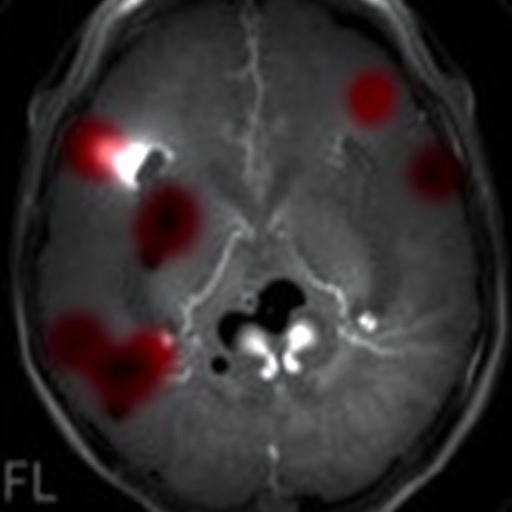
Intraventricular hemorrhage (IVH) remains a devastating complication among extremely low birth weight (ELBW) infants, a group defined by a birth weight of less than 1000 grams. These infants are particularly vulnerable due to immature cerebrovascular systems that fail to maintain consistent cerebral autoregulation immediately after birth. A recent groundbreaking study published in Pediatric Research sheds new light on the frequency and temporal dynamics of impaired cerebrovascular reactivity during the critical postnatal transitional period, revealing profound implications for neonatal care and intervention strategies.
ELBW infants face a precarious physiological landscape upon delivery, as their immature brains lack the robust mechanisms required to buffer fluctuations in cerebral blood flow. The cerebral autoregulatory system, which ordinarily stabilizes blood flow despite systemic blood pressure changes, is markedly deficient in these neonates. This deficit predisposes them to cerebral hemodynamic instability, setting the stage for ischemic damage and hemorrhagic complications, among which IVH is the most common and severe. This new research highlights the relationship between impaired cerebrovascular reactivity and the risk window during which hemorrhagic events are most likely to occur.
By employing continuous monitoring techniques that capture real-time changes in cerebral blood flow and systemic hemodynamics, the investigators were able to quantify periods of cerebrovascular reactivity impairment. The study meticulously tracked these parameters in ELBW infants over the critical first two weeks of life, demarcating phases of vulnerable hemodynamic instability. This approach allowed for a temporal correlation between the frequency and duration of impaired autoregulation episodes and the onset of intraventricular hemorrhage, providing key insights into the pathophysiological progression of IVH.
The findings underscore that the postnatal transition, far from being a smooth physiological adjustment, involves prolonged intervals during which the cerebral vasculature fails to respond appropriately to systemic circulatory changes. These intervals represent a dangerous time frame when fragile cerebral vessels are exposed to fluctuating blood pressures without the protective buffering of intact autoregulatory mechanisms. Clinicians have long suspected this vulnerability period but lacked detailed temporal resolution until now.
Moreover, the study reveals that not only the frequency but also the duration of impaired cerebrovascular reactivity critically influences the likelihood of hemorrhagic events. It appears that longer uninterrupted episodes of autoregulatory failure contribute disproportionately to the risk of vessel rupture within the germinal matrix – a region particularly susceptible to bleeding due to its abundant fragile capillaries. This nuanced understanding introduces the possibility of predicting which infants are at acute risk, enabling timely intervention.
Technological advances in near-infrared spectroscopy (NIRS) and continuous systemic blood pressure monitoring were instrumental in capturing these dynamic cerebrovascular parameters. These methods allow noninvasive, bedside assessments of oxygenation and perfusion indexes that correlate with cerebral autoregulatory capacity. Such innovations pave the way for personalized real-time monitoring in neonatal intensive care units, where early detection of autoregulatory failure may guide therapeutic decisions.
The clinical ramifications of this research extend towards refining protocols for hemodynamic management in ELBW infants. Current practices rely heavily on maintaining stable blood pressure targets and minimizing fluctuations through pharmacological and supportive care means. However, the recognition that impaired cerebrovascular reactivity episodes, especially prolonged ones, significantly drive IVH pathogenesis suggests a need for more individualized, dynamic strategies tailored to cerebral autoregulatory status rather than systemic parameters alone.
Furthermore, the study prompts a reevaluation of when and how interventions such as volume expansion, vasopressors, and respiratory support are deployed. For instance, aggressive fluid management aimed at stabilizing systemic blood pressure might unintentionally exacerbate intracerebral pressure variations if autoregulation is compromised. Thus, integrating continuous autoregulatory monitoring might optimize the timing and dosing of such therapies, enhancing safety and efficacy.
Another vital implication involves the design of neuroprotective interventions targeting the integrity of cerebrovascular regulation mechanisms. Pharmacological agents that strengthen endothelial function or modulate vascular smooth muscle responsiveness could theoretically reduce the frequency and duration of impaired reactivity episodes. While experimental at this stage, such innovations could dramatically lower IVH incidence and improve neurological outcomes in this high-risk population.
The research also highlights the importance of vigilant neuroimaging surveillance in ELBW infants to identify evolving intracranial hemorrhages rapidly. Since impaired cerebrovascular reactivity episodes often precede IVH, integrating hemodynamic monitoring data with imaging schedules might enable early detection before clinical deterioration occurs. This can facilitate prompt therapeutic intervention, potentially mitigating progression and reducing long-term sequelae.
In addition to its clinical insights, this study emphasizes the critical need for multidisciplinary collaboration in neonatal care. Neonatologists, neurologists, biomedical engineers, and data scientists must converge to develop sophisticated monitoring and analytic tools that translate complex physiological data into actionable bedside knowledge. This integrated approach promises to transform the management paradigm for ELBW infants, aligning care with their unique cerebrovascular vulnerabilities.
Beyond immediate neonatal care, the long-term implications of preventing or minimizing IVH extend to improved neurodevelopmental outcomes. ELBW infants with severe IVH frequently experience cerebral palsy, cognitive delays, and sensory impairments that limit quality of life and increase healthcare burdens. By targeting impaired cerebrovascular reactivity during the narrow but critical window of postnatal transition, the potential exists to preserve cerebral architecture and function, promoting healthier trajectories into childhood and adulthood.
Lastly, this pioneering work opens new research avenues exploring the genetic and molecular determinants of cerebrovascular autoregulation capacity in preterm infants. Understanding why some ELBW neonates experience prolonged autoregulatory failure while others maintain relatively stable perfusion could unravel biomarkers for risk stratification and individualized prevention strategies. Such future investigations will be pivotal in creating a new era of precision neonatal neurology.
In summary, the study by Chao et al. provides a profound leap forward in understanding the pathophysiology of intraventricular hemorrhage in extremely low birth weight infants. By elucidating the frequency and duration of impaired cerebrovascular reactivity episodes during the vulnerable postnatal transitional period, it equips clinicians and researchers with crucial data to refine monitoring, tailor therapies, and ultimately improve outcomes for this fragile population. As neonatal care continues to embrace technological innovation and physiological precision, such insights stand to revolutionize the fight against IVH, delivering hope for the tiniest patients facing the greatest challenges.
Cite Scienmag News
Harold Sullivan. (December 22, 2025). Intraventricular Hemorrhage in Tiny Infants: Vascular Impact. Scienmag. https://scienmag.com/intraventricular-hemorrhage-in-tiny-infants-vascular-impact/
Harold Sullivan. "Intraventricular Hemorrhage in Tiny Infants: Vascular Impact." Scienmag, 22 December 2025, https://scienmag.com/intraventricular-hemorrhage-in-tiny-infants-vascular-impact/. Accessed 4 September 2026.
Harold Sullivan. "Intraventricular Hemorrhage in Tiny Infants: Vascular Impact." Scienmag. December 22, 2025. https://scienmag.com/intraventricular-hemorrhage-in-tiny-infants-vascular-impact/


