


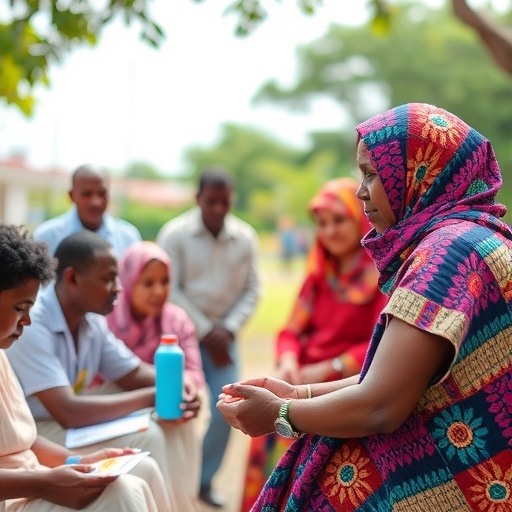
In a groundbreaking study, researchers have unveiled key insights into the sustainability of community-driven interventions aimed at enhancing the skills of caregivers for children with autism. This work, published in the Journal of Autism and Developmental Disorders, emphasizes the importance of caregiver participation and the application of skills learned in real-world settings. The exploration centers around the WHO-Caregiver Skills Training program in India, which aims to foster a supportive environment for children on the autism spectrum.
The WHO-Caregiver Skills Training program is recognized for its evidence-based approach, which equips caregivers with practical tools to address the unique challenges posed by autism. This initiative is especially crucial in low-resource settings, where families often lack access to specialized services. The study conducted by Sengupta, Zaveri, Rudra, and their colleagues meticulously analyzed the implementation of this program across various communities in India, shedding light on how such interventions can be effectively sustained over time.
One of the most significant findings of this research is the essential role that community involvement plays in the success of caregiver training programs. The researchers found that when caregivers are actively involved in the training process, the likelihood of successful implementation increases dramatically. This community ownership fosters an environment of trust and support, enabling caregivers to feel empowered and competent in their roles. The study illustrates that programs that engage families and local leaders tend to yield better outcomes.
Furthermore, the research highlights the critical need for ongoing support and resources for caregivers after the initial training phase. While the training provides caregivers with foundational skills, the continuation of support is vital for reinforcing those skills in everyday scenarios. The findings suggest that periodic booster sessions and peer support groups could play a fundamental role in maintaining the momentum gained during initial training sessions. This ongoing support not only helps caregivers retain the skills learned but also promotes a culture of continuous learning.
In addition, the exploration delves into the cultural nuances of implementing such interventions in diverse communities. The researchers emphasize that interventions must be tailored to meet the specific cultural contexts of the families involved. This cultural sensitivity ensures that the interventions are not only relevant but also respectful of the local traditions and beliefs. As the study suggests, recognizing and integrating local cultural practices can enhance the acceptance and effectiveness of caregiver training programs.
Another key aspect of the research is the collection and analysis of qualitative data from caregivers who participated in the program. Their testimonials reveal the profound impact the training has had on their day-to-day interactions with their children. Many caregivers reported a newfound sense of confidence in handling challenging behaviors and a deeper understanding of their children’s needs. These personal stories provide compelling evidence of the human side of the research, illustrating that the positive outcomes extend beyond skill acquisition; they encompass emotional and psychological benefits as well.
Moreover, the study identifies systemic barriers that can hinder the sustainability of community interventions. For instance, variations in access to resources, such as educational materials or ongoing training opportunities, can significantly affect the growth of these initiatives. The researchers call for strategic partnerships between government agencies, NGOs, and community organizations to ensure that such barriers are effectively addressed. Collaborative efforts are highlighted as the way forward for creating a robust support system for caregivers and children alike.
The implications of this research extend beyond the borders of India, providing a framework that can be adapted for use in various cultural and socio-economic contexts around the world. The insights gleaned from this study could inform policymakers and practitioners who aim to implement effective caregiver training programs in their own communities. The universal challenges associated with autism require localized solutions, and this research exemplifies how community engagement can pave the way for sustainable change.
In reflecting on the broader impact of the WHO-Caregiver Skills Training program, the authors encourage additional research to explore the long-term effects of these interventions. Future studies could monitor children’s developmental outcomes alongside caregiver well-being to establish a comprehensive understanding of the program’s success. This longitudinal approach would provide invaluable insights into the lasting benefits of caregiver training on both caregivers and the children in their care.
Conclusionally, the study by Sengupta and colleagues represents a significant step forward in understanding how to sustain community-led interventions that make a meaningful difference in the lives of families affected by autism. By addressing the multifaceted challenges faced by caregivers, this research not only supports current practices but also lays the groundwork for future initiatives. The commitment to empowering caregivers through training and community support is vital, and such efforts promise to enhance the quality of life for both caregivers and children on the autism spectrum.
The findings from this compelling research serve as a call to action for all stakeholders involved in autism care. Only by working together to sustain momentum and foster community engagement can we hope to create lasting positive impacts in the lives of those who need it most.
Cite Scienmag News
Arden W. (December 21, 2025). Enhancing Community Care: Insights from WHO Training. Scienmag. https://scienmag.com/enhancing-community-care-insights-from-who-training/
Arden W. "Enhancing Community Care: Insights from WHO Training." Scienmag, 21 December 2025, https://scienmag.com/enhancing-community-care-insights-from-who-training/. Accessed 29 August 2026.
Arden W. "Enhancing Community Care: Insights from WHO Training." Scienmag. December 21, 2025. https://scienmag.com/enhancing-community-care-insights-from-who-training/


