


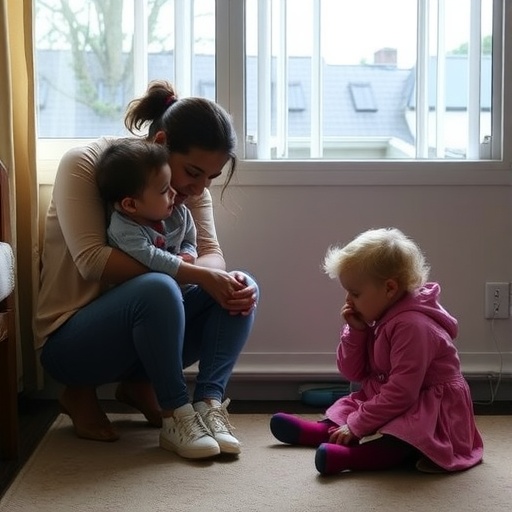
In a groundbreaking qualitative study soon to be published in BMC Psychology, researchers from Iran have shed unprecedented light on the often overlooked psychosocial and caregiving challenges faced by mothers of children with disabilities. This detailed investigation delves deep into the intricate emotional, social, and practical struggles that these mothers endure daily, highlighting broader implications for health policies and societal attitudes in the Middle East and beyond. As global awareness around disability and caregiving grows, this study offers a nuanced understanding that transcends cultural boundaries and could catalyze transformative change.
The researchers employed a rigorous qualitative methodology, utilizing in-depth interviews and thematic analysis to capture the rich, lived experiences of mothers raising children with various types of disabilities. These disabilities ranged from physical impairments to cognitive challenges, encompassing a spectrum of care needs and social perceptions. By focusing specifically on Iranian mothers, the study contextualizes these experiences within a sociocultural environment shaped by traditional gender roles, limited social support structures, and evolving healthcare systems.
One of the central findings of this study is the profound psychological burden borne by these mothers. The emotional toll of caregiving extends beyond fatigue or stress and often manifests as chronic anxiety, depression, and a pervasive sense of isolation. These mothers frequently describe feelings of guilt, not only related to the child’s condition but also in balancing caregiving with other family responsibilities. This psychological struggle is compounded by stigmatization and marginalization within their communities, where disability is frequently misunderstood or shunned.
Social isolation emerges as another critical concern. The study reveals that many mothers experience a withdrawal from extended social networks due to the combination of caregiving demands and societal exclusion. This isolation often leads to diminished opportunities for employment, education, and personal development. Beyond individual effects, this social withdrawal disrupts the traditional social fabric, depriving communities of the valuable contributions these women could otherwise offer.
The caregiving challenges detailed in the research underscore the physically exhaustive nature of their daily routines. Mothers reported spending extensive hours in physically demanding tasks such as lifting, feeding, and managing medical treatments, often without adequate respite or assistance. The intensity of these responsibilities frequently leads to chronic health problems for caregivers themselves, including musculoskeletal pains and compromised immune function, creating a cyclical health deterioration risk.
Economic hardship surfaces as another theme intricately linked to caregiving. Many of the mothers in the study reported that the additional financial costs for specialized medical care, therapy, and assistive devices strained family budgets severely. Coupled with reduced income due to caregiving demands preventing workforce participation, this financial stress exacerbates their psychosocial burdens, often relegating families to poverty or near-poverty conditions.
Through their qualitative approach, the researchers highlight the complex interplay between individual, familial, and societal factors that sustain or alleviate these challenges. They emphasize the need for integrated support systems encompassing healthcare, psychological counseling, social work interventions, and policy reforms. Such frameworks would not only enhance caregiving outcomes but also promote social inclusion and empowerment for mothers and their children.
The study also draws attention to cultural and religious influences shaping caregiving experiences in Iran. For many mothers, religious faith provides a critical coping mechanism, offering hope, meaning, and resilience amidst adversity. However, cultural narratives that frame disability as a source of shame or divine punishment can simultaneously contribute to stigma and internalized negative emotions. Understanding these dual dynamics is essential for designing culturally sensitive and effective interventions.
Among the recommendations posited by the researchers is the urgent expansion of community-based rehabilitation services tailored to the unique needs of mothers and children. These services would facilitate access to respite care, therapeutic programs, and social support networks. Furthermore, education campaigns aimed at reducing stigma and promoting disability rights could transform public attitudes, ultimately fostering more inclusive and supportive environments.
This comprehensive investigation also exposes significant gaps in the existing healthcare infrastructure that hinder effective support for caregiving families. Limited availability of trained professionals, insufficient mental health resources, and bureaucratic obstacles are recurrent impediments identified by participants. Innovating service delivery models through telehealth and mobile care units may present viable solutions to overcome these systemic barriers in resource-constrained settings.
Psychosocial interventions targeting caregiver well-being are another cornerstone of the study’s implications. Tailored psychological support programs that address anxiety, depression, and trauma symptoms can significantly improve quality of life for these mothers. Group therapy and peer support initiatives offer promising avenues for reducing isolation, enhancing social connectedness, and sharing practical caregiving knowledge.
While much of the global literature has focused on caregiving in developed countries, this research provides critical insights from a middle-income nation characterized by diverse socio-political realities. It underscores the importance of localized studies that honor distinct cultural, economic, and health system contexts, yet resonate with universal caregiving challenges. This dual relevance magnifies the study’s potential to influence international disability advocacy and caregiving discourse.
As the COVID-19 pandemic has recently exposed and exacerbated vulnerabilities among disabled populations and their families worldwide, the timing of this research is especially pertinent. The heightened risks and service disruptions experienced during the pandemic have intensified caregiving burdens, spotlighting the urgent need for resilient support structures. Thus, findings from this study can inform post-pandemic recovery plans and preparedness strategies.
Finally, the authors call for greater inclusion of mothers’ voices in policy dialogues and research agendas. Participatory approaches that engage caregiving mothers as co-creators of knowledge promote empowerment and ensure the relevance and acceptance of interventions. This paradigm shift toward inclusive policymaking embodies the ethical imperative to recognize and respond to the lived realities of those most affected by disability.
In sum, this landmark study from Iran uncovers layers of complexity in the psychosocial and caregiving challenges faced by mothers of children with disabilities. Through meticulous qualitative inquiry, it offers critical insights to inform culturally sensitive, practical, and systemic solutions. As global societies aspire toward equity and inclusion for disabled individuals and their families, such research forms an essential foundation for transformative progress.
Cite Scienmag News
Glenn Wilkins. (December 20, 2025). Mothers’ Psychosocial Struggles Caring for Disabled Kids. Scienmag. https://scienmag.com/mothers-psychosocial-struggles-caring-for-disabled-kids/
Glenn Wilkins. "Mothers’ Psychosocial Struggles Caring for Disabled Kids." Scienmag, 20 December 2025, https://scienmag.com/mothers-psychosocial-struggles-caring-for-disabled-kids/. Accessed 5 September 2026.
Glenn Wilkins. "Mothers’ Psychosocial Struggles Caring for Disabled Kids." Scienmag. December 20, 2025. https://scienmag.com/mothers-psychosocial-struggles-caring-for-disabled-kids/


