


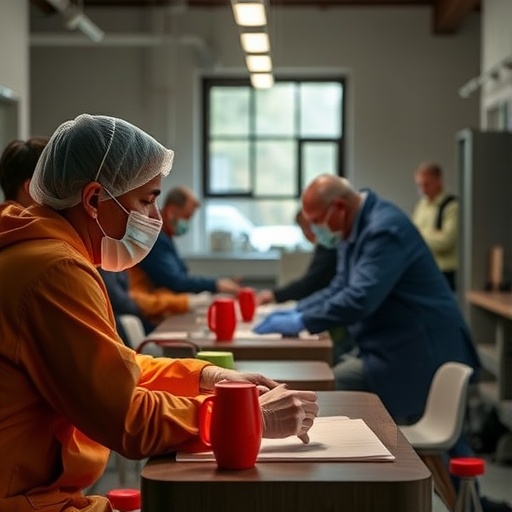
In the wake of the COVID-19 pandemic, our understanding of the lasting effects of the virus, colloquially known as “long COVID,” has evolved significantly. Researchers across the world have turned their attention to the rehabilitation of those who are suffering from the lingering symptoms of the virus. One notable study, conducted by Nielsen, Oestergaard, and Hawkins, aimed to dissect the complexities inherent within long COVID rehabilitation. Their investigation reflects a concerted effort to better comprehend how specific rehabilitation interventions operate, relying on a realist-informed qualitative approach.
Long COVID encompasses a wide range of symptoms that persist long after the acute phase of the viral infection has resolved. Individuals report myriad difficulties, such as fatigue, cognitive impairments often referred to as “brain fog,” respiratory issues, and psychological challenges. These persistent symptoms can severely impact the quality of life, making effective rehabilitation essential. The study by Nielsen and colleagues offers critical insights into the pathways through which rehabilitation programs can assist in alleviating such debilitating symptoms.
The researchers began their study by identifying key components of existing rehabilitation programs and how these components interact to facilitate recovery. Using a realist-informed qualitative method, they were able to explore not just outcomes but the underlying mechanisms that bring about these outcomes. This approach is fundamentally different from traditional methodologies that often focus solely on the efficacy of interventions, neglecting to understand how and why certain strategies work.
In their exploration, Nielsen and his team unearthed specific contextual factors that play a crucial role in the success of rehabilitation interventions. For instance, they found that patient motivation and the presence of a supportive community significantly influenced the effectiveness of rehabilitation programs. Patients engaging in rehabilitation within a supportive network benefited from enhanced emotional and psychological resilience, leading to improved physical health outcomes. This underscores the importance of holistic approaches in addressing long COVID symptoms.
Another fascinating element of the study was the identification of personalization in rehabilitation interventions. The researchers emphasized that one-size-fits-all approaches are often inadequate in treating the varied manifestations of long COVID. Tailoring rehabilitation strategies to meet the unique needs of individuals proved to be a pivotal factor in achieving positive results. This personalization not only included physical therapy but also psychological support and lifestyle adjustments aimed at addressing specific patient challenges.
Nielsen, Oestergaard, and Hawkins also noted that the integration of technology into rehabilitation practices has begun transforming the landscape of patient care. Digital health tools, such as mobile applications and telehealth services, facilitate greater accessibility to rehabilitation programs. This is particularly important for long COVID patients who may have mobility or transportation issues. Technological integration in health care not only makes interventions more convenient but can also enhance compliance and engagement among patients, leading to improved health outcomes.
As they delved into the qualitative data, the researchers discovered that many participants had profound experiences tied to their rehabilitation journeys. Stories of perseverance and triumph intermingled with frustration and setbacks provided invaluable insights into the human experience of long COVID recovery. A crucial takeaway was the need for clinicians to foster a strong therapeutic alliance with their patients, ensuring that individuals feel heard, validated, and empowered throughout their recovery process.
Furthermore, the significance of a multidisciplinary approach in long COVID rehabilitation cannot be overstated. The study highlighted the necessity for collaboration among healthcare providers across various specialties, including physical therapists, psychologists, respiratory therapists, and primary care physicians. Such teamwork is integral to addressing the multifaceted nature of long COVID and ensuring comprehensive care tailored to each patient’s needs.
The findings of this study contribute to a growing body of literature that emphasizes the importance of ongoing research into long COVID rehabilitation. As more individuals experience long-term symptoms, the demand for effective and adaptable interventions continues to rise. This research sheds light on the complexities involved in developing a cohesive understanding of rehabilitation pathways that are most beneficial for patients.
Engaging with policymakers, the researchers advocate for the development and funding of long COVID rehabilitation programs that reflect these findings. By incorporating a realist-informed perspective, they hope to inform decisions that not only improve individual outcomes but also promote broader public health strategies aimed at combating the repercussions of the pandemic.
One key conclusion drawn from this investigation is the need for continual refinement of rehabilitation programs based on real-world experiences and outcomes. By integrating feedback from patients and healthcare providers alike, adaptations can be made that enhance the viability and success of rehabilitation interventions. This iterative process of evaluation and adjustment is essential in creating evidence-based programs that respond to the evolving nature of long COVID recovery.
While the study by Nielsen and colleagues represents a significant advancement in our understanding of long COVID rehabilitation, it is merely the beginning of an ongoing conversation. Further research is crucial for untangling the myriad factors influencing recovery and for developing more targeted strategies that cater to diverse patient populations. The ongoing collaboration and innovation within the field will undoubtedly shape the future of healthcare as we strive to mitigate the long-term effects of this unprecedented global health crisis.
In summary, as the world continues to grapple with the long-term aftermath of the COVID-19 pandemic, the importance of robust rehabilitation programs cannot be overstated. The insights gleaned from this study will serve as a catalyst for change, inspiring both healthcare providers and policymakers to prioritize comprehensive, individualized approaches to rehabilitation. By valuing patient experiences and striving for continual improvement within the healthcare system, we can work towards fostering a healthier future for all those impacted by long COVID.
While many challenges remain on the path to recovery, the findings from Nielsen, Oestergaard, and Hawkins illuminate a way forward. Their work exemplifies the power of research in transforming healthcare practices, offering hope and direction to countless individuals navigating the complexities of long COVID.
As we move into a new era of understanding and treatment, let us remain engaged, informed, and ready to adapt to the needs of those we serve. The conversation around long COVID rehabilitation must not fade; it should evolve and expand, driven by compassion, evidence, and an unwavering commitment to improving lives.
Through these concerted efforts, the ultimate goal remains: to ensure that every individual, no matter how long they have battled with long COVID, receives the help and resources they need to reclaim their lives.
Cite Scienmag News
Ophelia Keating. (December 20, 2025). Revamping Long COVID Rehab: Insights from Realist Study. Scienmag. https://scienmag.com/revamping-long-covid-rehab-insights-from-realist-study/
Ophelia Keating. "Revamping Long COVID Rehab: Insights from Realist Study." Scienmag, 20 December 2025, https://scienmag.com/revamping-long-covid-rehab-insights-from-realist-study/. Accessed 4 September 2026.
Ophelia Keating. "Revamping Long COVID Rehab: Insights from Realist Study." Scienmag. December 20, 2025. https://scienmag.com/revamping-long-covid-rehab-insights-from-realist-study/


