


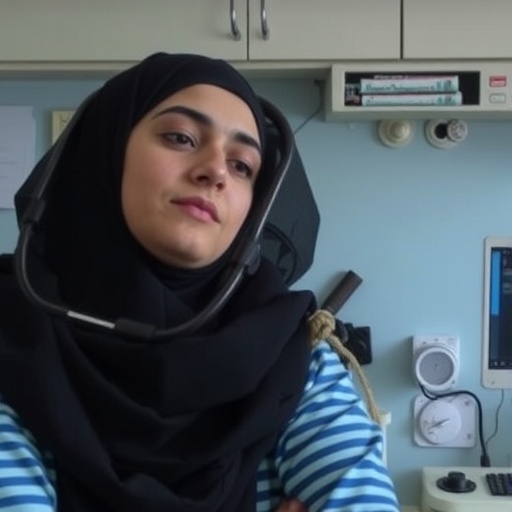
In the heart of a region ravaged by prolonged conflict, the silent trauma endured by those on the frontlines of healthcare education is coming into sharper focus. A groundbreaking study led by researchers Hanifa, Alzoubi, Khallouf, and colleagues delves into an often overlooked consequence of war: the extensive psychological damage manifesting as insomnia and stress among healthcare students in Syria. Published in BMC Psychology, this study shines a piercing light on how war’s invisible wounds transcend the battlefield and profoundly disrupt the lives and mental health of the next generation of medical professionals.
Syria, a country beset by years of relentless conflict, has suffered not only physical devastation but also a crippling blow to the mental wellbeing of its population. Within this context, healthcare students find themselves at a unique intersection of vulnerability and responsibility. Tasked with the future of healthcare delivery in a nation struggling to rebuild, these students simultaneously endure daily exposure to violence, insecurity, and resource scarcity. The research explores how these stressors culminate in chronic insomnia, a condition often underestimated in its capacity to degrade both psychological and physiological health.
Insomnia, characterized by difficulty in falling or staying asleep, is more than a mere inconvenience for these students; it symbolizes a profound disruption in their ability to process trauma and maintain cognitive functioning. The study utilized rigorous psychological assessment tools alongside clinical interviews to quantify the severity of insomnia alongside symptoms of anxiety, depression, and post-traumatic stress disorder (PTSD). Findings reveal alarmingly high levels of disturbed sleep patterns, correlating strongly with elevated psychological distress markers, painting a grim portrait of the lived experience of medical students in war zones.
Crucially, the research team employed validated scales such as the Insomnia Severity Index (ISI) and the Depression, Anxiety, and Stress Scale (DASS-21) to gather precise data. This methodological rigor ensured that the nuanced manifestations of sleep disturbance and psychological strain were captured comprehensively. The results showed that insomnia symptoms were not isolated but intertwined with a spectrum of mental health challenges, suggesting a cyclical relationship where poor sleep exacerbates emotional distress, which in turn further impairs sleep.
Beyond the raw data, the study situates its findings within the broader framework of conflict-related trauma. While physical injuries receive immediate emergency attention, the psychological toll remains largely invisible, undiagnosed, and untreated. Healthcare students often experience ‘secondary trauma’ resulting from witnessing suffering and death, compounded by their personal exposure to war-related stressors. This dual exposure heightens the risk of developing chronic insomnia, a condition linked with compromised immune function, impaired memory, and increased risk for cardiovascular and metabolic disorders.
This research underscores the urgency of incorporating mental health services into the educational framework for healthcare students in conflict areas. Alarmingly, current academic environments in Syria often lack sufficient psychological support, leaving students to manage their deteriorating mental health in isolation. The authors advocate for systemic interventions including the integration of sleep hygiene education, stress reduction programs, and accessible counseling services designed specifically to meet the needs of students navigating both academic and war-related challenges.
Moreover, the study illuminates the broader implications for healthcare systems in post-conflict settings. The mental health of medical students is not solely a personal concern but a critical public health issue. These individuals are future healthcare providers whose capacity to deliver quality care depends on their psychological resilience. Persistent insomnia and psychological distress threaten not only their educational attainment but also their ability to serve their communities effectively in a fragile healthcare infrastructure.
The authors propose that addressing insomnia and mental health in healthcare students can have a ripple effect, fostering a more robust workforce capable of responding to ongoing and emergent public health crises. In a region where resources are scarce and the burden on healthcare workers extreme, even modest improvements in psychological wellbeing could yield significant benefits in terms of clinical outcomes and system sustainability.
One of the remarkable dimensions of this study is its methodological innovation in conducting research under conditions of conflict and instability. The researchers navigated logistical challenges, ethical considerations, and safety concerns to ensure the validity and integrity of their data. This demonstrates not only scientific rigor but also an ethical commitment to giving voice to a vulnerable population whose mental health needs are often ignored amid the chaos of war.
The findings also resonate globally as they highlight parallels with other conflict-affected regions experiencing similar mental health crises among their healthcare professionals. The universal stressors of trauma, disrupted education, and lack of psychological support create a blueprint for future research and intervention not only in Syria but across the world’s conflict zones.
Interestingly, this study sheds light on the multifaceted nature of insomnia as both a symptom and a catalyst for worsening mental health. Insomnia disrupts the body’s natural circadian rhythms, leading to dysfunctional neurochemical changes that influence mood and cognitive processes. These biological underpinnings underscore the importance of considering insomnia not just as a lifestyle issue but as a significant clinical phenomenon requiring targeted treatment.
Furthermore, the research highlights potential avenues for therapeutic innovation, including non-pharmacological interventions such as cognitive-behavioral therapy for insomnia (CBT-I), mindfulness, and trauma-informed care approaches tailored for populations living in high-stress environments. Such interventions, if integrated within healthcare education and mental health services, could mitigate the long-term psychological impact of conflict.
Finally, these findings emphasize the critical need for international cooperation and investment in mental health infrastructure in conflict and post-conflict regions. The invisible wounds of war demand recognition beyond immediate battlefield casualties and physical injuries, requiring sustained support for mental health at all societal levels, especially among the youth and future pillars of healthcare systems.
This seminal study by Hanifa and colleagues challenges policymakers, educators, and healthcare leaders to rethink how mental health is addressed amid conflict. It calls for an integrated, compassionate response that prioritizes not only the physical but also the psychological rehabilitation of healthcare students. As Syria endeavors towards recovery, caring for the mental health of its medical students is crucial for rebuilding a resilient healthcare system capable of meeting the nation’s future needs.
Cite Scienmag News
Glenn Wilkins. (December 18, 2025). Invisible Wounds: Insomnia Among Syrian Healthcare Students. Scienmag. https://scienmag.com/invisible-wounds-insomnia-among-syrian-healthcare-students/
Glenn Wilkins. "Invisible Wounds: Insomnia Among Syrian Healthcare Students." Scienmag, 18 December 2025, https://scienmag.com/invisible-wounds-insomnia-among-syrian-healthcare-students/. Accessed 5 September 2026.
Glenn Wilkins. "Invisible Wounds: Insomnia Among Syrian Healthcare Students." Scienmag. December 18, 2025. https://scienmag.com/invisible-wounds-insomnia-among-syrian-healthcare-students/


