


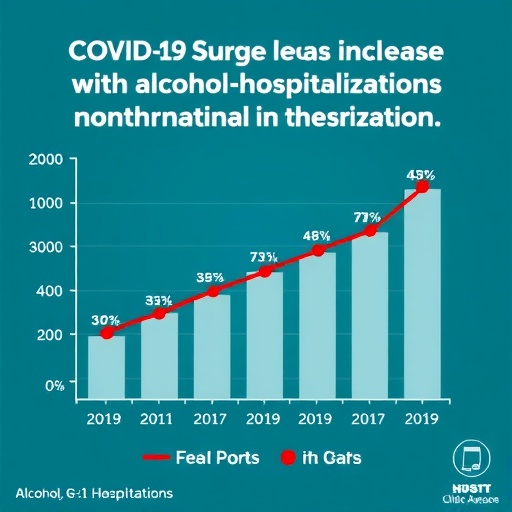
The COVID-19 pandemic has drastically altered various facets of human life, revealing hidden vulnerabilities within societal structures. One such area that has garnered attention is the public health repercussions related to increased alcohol consumption and subsequent hospitalizations. A recent population-based cohort study delves into this pressing issue, presenting comprehensive data showcasing the severity of alcohol-related hospitalizations following the onset of the pandemic. This research highlights the interplay between public health crises and substance use, particularly as individuals faced unprecedented levels of stress, isolation, and uncertainty.
As the world grappled with the realities of COVID-19, many individuals turned to alcohol as a coping mechanism. According to the findings presented by Yaseen et al., the surge in alcohol-related hospitalizations is not merely a coincidence but rather a multifaceted consequence of the pandemic. The heightened levels of anxiety, financial strain, and social isolation compelled many individuals toward increased alcohol consumption. These factors converged, correlating with an alarming rise in emergency health interventions linked to alcohol misuse.
The study meticulously cataloged hospital records, drawing a clear line between the pandemic’s onset and the subsequent increase in alcohol-related health complications. Prior to the pandemic, the health system was already strained, and with the sudden influx of alcohol-related cases, it faced overwhelming challenges. The research demonstrated a definitive spike in admissions for alcohol intoxication, alcoholic liver disease, and other alcohol-related health issues. Such trends present a pressing call for healthcare systems to adapt and respond to these evolving needs.
Interestingly, the geographical variation in alcohol-related hospitalizations during the pandemic was notable. Certain regions experienced more pronounced effects, suggesting that local demographics, socioeconomic factors, and cultural attitudes toward alcohol may have played pivotal roles in these trends. This research not only illuminates the national struggle but also emphasizes the localized manifestations of a global health crisis. Understanding these regional differences is key to tailoring public health responses to minimize the impact of alcohol-related health issues.
In the context of healthcare strategies, this study raises significant questions about preventive measures and the role of telehealth services. As traditional methods of treatment were disrupted during the pandemic, many healthcare providers turned to digital avenues to offer support. The efficacy of telehealth in managing substance use disorders remains an area of intense research. However, the effectiveness of these services in addressing the unique challenges posed by the pandemic is yet another layer that the study brings to light.
Furthermore, the findings call attention to the importance of screening for alcohol use during regular health assessments. As alcohol-related issues surged, the study suggests that routine inquiries about alcohol consumption could play a critical role in early identification and intervention, potentially alleviating some of the strain on hospital systems. This proactive approach could foster a culture of awareness and responsiveness within communities, encouraging individuals to seek help before reaching a crisis point.
The implications of this research extend beyond the immediate confines of hospital walls. The societal normalization of alcohol use as a coping mechanism during stressful times raises substantial moral and ethical questions. Public awareness campaigns may be essential to shift perceptions around alcohol consumption and promote healthier coping strategies. This broader cultural discourse is necessary to mitigate the long-term health consequences associated with increased alcohol use spurred by the pandemic.
As public health stakeholders grapple with the data presented in this study, the importance of longitudinal research cannot be overstated. Analyzing these trends over time will provide deeper insights into the patterns of alcohol use and the efficacy of public health interventions. As healthcare organizations work to formulate effective responses, understanding the post-pandemic landscape is crucial for creating resilient health systems.
Moreover, it is essential to integrate findings from studies like this into policymaking. Data-driven decisions are vital for addressing the public health crisis stemming from increased alcohol-related issues. Policymakers must prioritize funding for mental health resources and addiction treatment programs, ensuring that comprehensive support systems are in place to address this epidemic. The research findings can serve as compelling evidence to advocate for necessary changes at the legislative level.
The intersection of COVID-19 and substance use illustrates a critical moment in public health. As the world begins to move toward recovery, addressing the hidden toll of alcohol-related health issues is paramount. The insights gleaned from this study offer a roadmap for future interventions and underscore the need for concerted action across various sectors of society. As healthcare providers, policymakers, and communities come together, the goal must be a holistic approach to health that encompasses both physical and mental well-being.
The urgency of this research is echoed not only in the data but also in the personal stories of those impacted by alcohol-related health crises. Behind the statistics lie real people facing serious consequences, vivid reminders of the pandemic’s profound effects. Each hospitalization serves as a testament to the need for empathy, understanding, and expanded resources in tackling alcohol misuse. Engaging communities to foster dialogues about substance use can pivot perceptions and promote healthier responses in the face of adversity.
Ultimately, Yaseen et al.’s study delivers a compelling narrative on the interconnectedness of societal challenges and health outcomes in the wake of a global pandemic. It posits that as we recover from this crisis, we must not overlook the nuances of public health dynamics. Instead, we should leverage this moment to foster resilience, enhance awareness, and equip our healthcare systems to effectively address the multifaceted challenges posed by alcohol use exacerbated by the pandemic. Only through understanding and collaboration can we pave the way for a healthier and more informed future.
Cite Scienmag News
Phoebe Ingram. (December 17, 2025). COVID-19 Surge Increases Alcohol-Related Hospitalizations. Scienmag. https://scienmag.com/covid-19-surge-increases-alcohol-related-hospitalizations/
Phoebe Ingram. "COVID-19 Surge Increases Alcohol-Related Hospitalizations." Scienmag, 17 December 2025, https://scienmag.com/covid-19-surge-increases-alcohol-related-hospitalizations/. Accessed 4 September 2026.
Phoebe Ingram. "COVID-19 Surge Increases Alcohol-Related Hospitalizations." Scienmag. December 17, 2025. https://scienmag.com/covid-19-surge-increases-alcohol-related-hospitalizations/


