


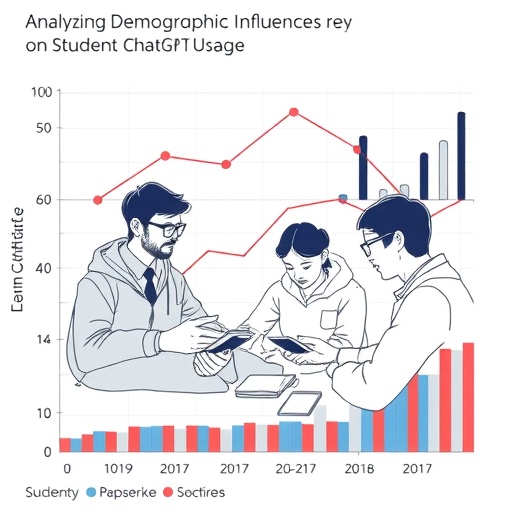
In recent years, the rapid advancements in artificial intelligence have prompted significant changes in various sectors, particularly within the realm of education. As we delve into the multi-faceted interactions between artificial intelligence technologies and higher education, one particularly notable development is the use of ChatGPT among students. This innovative generative model has introduced transformative tools that not only aid in learning but also alter the dynamics of communication, collaboration, and information retrieval. The upcoming study led by Mohammed et al. attempts to unravel the demographic differences in the utilization of ChatGPT by higher education students, using a modified UTAUT2 model as its analytical framework.
This research is particularly pertinent in the context of the educational landscape, which continues to evolve under the pressures of technological integration. The UTAUT2 model is a widely acknowledged framework for assessing user acceptance and use of technology, accommodating factors such as performance expectancy, effort expectancy, social influence, and facilitating conditions. By augmenting this model, the researchers aim to provide a deeper understanding of how diverse demographics respond to and engage with ChatGPT within their academic pursuits, showcasing variations that could indicate changing patterns in learning behavior.
Demographic variables such as age, gender, socioeconomic status, and educational background can significantly influence how students interact with educational technologies like ChatGPT. For instance, younger students may demonstrate a higher comfort level with AI interfaces, while older students might approach these tools with more skepticism. Furthermore, ethnic and cultural backgrounds may also impact the perceptions and utilization of AI technologies in educational settings, leading to varied efficacy in learning outcomes. By investigating these differences, the study seeks to inform policymakers and educators about the varying needs and preferences of student populations.
One key aspect of the research focuses on usage patterns among different demographic groups. Preliminary findings suggest that students from diverse backgrounds exhibit distinct ways of engaging with ChatGPT, which can lead to varying levels of academic success and satisfaction. For instance, students from underrepresented groups may find AI technologies such as ChatGPT to be an equalizing force in higher education, offering them resources and support that they may not have access to otherwise. This underscores the potential role of AI in bridging educational divides, enabling greater inclusivity in learning.
Moreover, the integration of ChatGPT into higher education raises important questions regarding academic integrity and the potential for misuse. The ease of access to information offered by these AI tools can create challenges around plagiarism and original thought. This study aims to address those valid concerns by exploring how awareness, understanding, and attitudes toward academic honesty vary among students utilizing ChatGPT. It seeks to illuminate strategies that institutions can implement to guide students in responsible usage, ensuring that educational benefits are maximized while preserving the integrity of scholarly work.
As we navigate into a more AI-integrated future, understanding the motivations behind students’ usage of generative models such as ChatGPT becomes crucial. The research explores factors that drive students to utilize AI tools, shedding light on performance expectations and perceived ease of use. Whether students see ChatGPT as a helpful partner in their educational journey, or simply as another distraction, could have profound implications for how technology is incorporated into teaching practices and curricula.
The authors also emphasize the role of social influence in shaping students’ perceptions of AI technologies. In a world where peer opinions and social media play pivotal roles, the degree to which students are influenced by their peers can determine how openly they embrace technological innovations like ChatGPT. This interaction between individual attitudes and social dynamics constitutes an important axis of exploration within the study, revealing implications for how educational institutions can foster healthier, more supportive environments for technological adoption.
Furthermore, as institutions grapple with the challenges of integrating AI into the educational fabric, the researchers intend to highlight how facilitating conditions play a vital role in the successful assimilation of tools like ChatGPT. Availability of resources such as training sessions, workshops, and access to technology greatly impacts students’ ability to effectively leverage AI models for learning. Insight from the research will help institutions identify area deficiencies and invest in necessary infrastructures for optimal AI integration.
As the findings unfold, the researchers hope to contribute to a growing body of literature that underscores the importance of understanding student responses to technology through a nuanced, demographic lens. The study does not merely address the integration of ChatGPT but also aims to establish a framework for future research in this dynamic and rapidly evolving field. By offering a clear analysis of differences in usage and attitudes, the study stands at the intersection of education, technology, and social equity, encouraging an ongoing dialogue around how best to support all learners.
Moreover, this research taps into the broader conversations surrounding digital literacy and the skills required for students to thrive in a technology-driven world. As generative models become more ingrained in everyday life, equipping students with the ability to critically engage with these tools will be essential. The authors advocate for the inclusion of AI literacy in curricula, arguing that understanding the strengths and limitations of such technologies can empower students to harness their full potential while cultivating critical thinking.
As we eagerly anticipate the results of this study, it becomes apparent that the investigation of demographic differences in ChatGPT usage holds tremendous promise. It has the potential to unearth critical insights that can shape future educational strategies, ensuring that all students have equal opportunities to benefit from these cutting-edge technologies. The hope is that findings will not only guide academic practices but will also inspire a new wave of inquiry into how AI impacts education on a global scale.
In conclusion, the research led by Mohammed et al. signifies a step toward embracing the complexities of technology in education. It invites all stakeholders—educators, policymakers, and students alike—to consider how demographic differences influence technological interaction. By recognizing and addressing these variations, we pave the way for a more inclusive, equitable educational experience, driven by collaboration and innovation in this digital era.
Mohammed, I.A., Owan, V.J., Thomas, G. et al. Multi group analysis of demographic differences in higher education students ChatGPT use behaviour within a modified UTAUT2 model.
Discov Educ (2025). https://doi.org/10.1007/s44217-025-01018-z
Cite Scienmag News
Courtney Benton. (December 16, 2025). Analyzing Demographic Influences on Student ChatGPT Usage. Scienmag. https://scienmag.com/analyzing-demographic-influences-on-student-chatgpt-usage/
Courtney Benton. "Analyzing Demographic Influences on Student ChatGPT Usage." Scienmag, 16 December 2025, https://scienmag.com/analyzing-demographic-influences-on-student-chatgpt-usage/. Accessed 3 September 2026.
Courtney Benton. "Analyzing Demographic Influences on Student ChatGPT Usage." Scienmag. December 16, 2025. https://scienmag.com/analyzing-demographic-influences-on-student-chatgpt-usage/


