


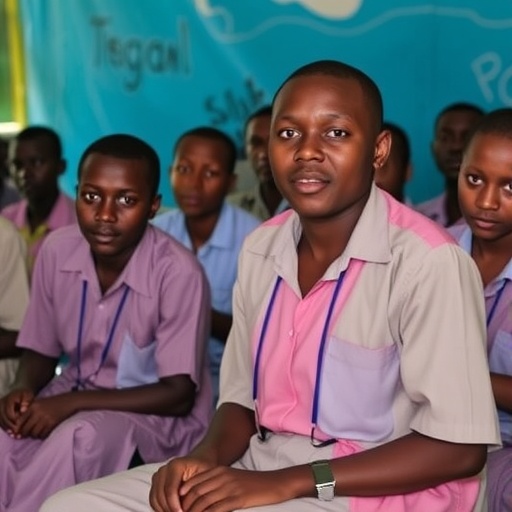
The ongoing armed conflict in Sudan has cast a long shadow over various sectors of society, particularly its educational landscape. Among the most profoundly affected are medical students who find themselves navigating an increasingly hostile environment. As the health sector grapples with the repercussions of violence and instability, the nuances of anatomy education emerge as a focal point of concern. This situation underscores the broader implications of conflict on academic pursuits and future healthcare delivery.
The study spearheaded by Eltieb and colleagues shines a spotlight on the specific challenges faced by medical students during this tumultuous period. Through a cross-sectional survey, the researchers meticulously gathered data that reflects the sentiments and experiences of these students. Their findings reveal a compelling narrative of resilience amidst adversity, highlighting both the direct and indirect impacts of conflict on the educational process.
One of the most alarming revelations from the survey is the significant disruption to learning environments. Many institutions have seen physical damage to campuses and resources as a direct result of military actions and civil unrest. The destruction of laboratory facilities, where students typically engage with cadavers to gain hands-on experience, presents a critical gap in their education. Without access to these essential resources, the foundational elements of medical training are tragically compromised.
Moreover, the psychological toll on students cannot be underestimated. The constant threat of violence and uncertainty has led to heightened stress and anxiety levels among medical students. This emotional strain not only diminishes their capacity to learn but also complicates their ability to engage fully with the challenging field of medicine. Anatomy education, requiring both mental acuity and hands-on practice, becomes severely hindered in such an environment where students are preoccupied with safety concerns.
The survey also highlights the shift towards digital learning as a response to the inability to physically attend classes. While online resources provide some relief, the transition has not been seamless. For many students, a lack of reliable internet connectivity and access to technology further exacerbates existing educational disparities. Students face hurdles in obtaining the materials necessary for their anatomy courses, compromising their learning outcomes and future competency as healthcare providers.
Additionally, the survey identifies a growing disconnect between faculty and students. Many instructors are themselves grappling with the chaos of the conflict, leading to reduced availability and support for students in need of guidance. This breakdown in mentorship is particularly detrimental in a field as intricate as medicine, where learning is profoundly relational and dialogue-driven. The absence of a supportive educational structure leaves students feeling isolated in their struggles.
One notable concern raised by the study is the delay in medical graduations. As students struggle to meet the curriculum requirements in the face of such overwhelming challenges, the timeline for completing their medical education becomes increasingly uncertain. This delay not only impacts the students’ individual career trajectories but also has wider implications for the healthcare system in Sudan, which already faces significant shortages of qualified professionals.
In navigating these tumultuous waters, the resilience displayed by Sudanese medical students is commendable. Many have turned to peer networks and collaborative learning strategies to support one another throughout their studies. This adaptation showcases the inherent strength of community among students as they strive for academic success despite the overwhelming obstacles they face. However, reliance on peer support alone cannot substitute for formal education.
Importantly, the findings of this study call for urgent attention from educational authorities and policy-makers. The need for intervention is clear, as the consequences of neglecting the education system during conflict are dire. Creating safe learning environments, providing resources for digital learning, and ensuring faculty support are essential steps that must be prioritized. The future of Sudanese healthcare depends on the successful education of its medical students, who will one day serve a population in desperate need of quality care.
Governments, NGOs, and educational institutions must collaborate to devise strategic responses that not only address the immediate challenges but also build resilience in the education system for the future. Innovative solutions tailored to the unique context of conflict can be effective in fostering continued learning. This may include mobile or temporary educational units that can safely deliver anatomy education despite security concerns, or partnerships with international institutions that could provide educational resources and support remotely.
As the survey concludes, it adds a poignant reminder of the essential role that education plays in restoring stability to a society. The lessons learned from the experiences of medical students in Sudan extend far beyond the borders of the country, serving as a striking illustration of the need for educational systems that can withstand the tests of conflict. Building robust educational frameworks that can adapt to crises is a critical endeavor that demands immediate focus.
In summation, the challenges of anatomy education faced by Sudanese medical students during the ongoing conflict highlight the broader struggles within the healthcare education system amidst turmoil. The resilience of these students serves as a testament to the power of education and collaboration in the face of adversity. Future efforts must prioritize support for these aspiring professionals, ensuring they can emerge as competent caregivers prepared to serve their communities even amidst unprecedented challenges.
Eltieb, Q.D.A., Muhammed, A., Ahmed, L.N.M. et al. Challenges in anatomy education among Sudanese medical students during the 2023 armed conflict: a cross-sectional survey.
BMC Med Educ (2025). https://doi.org/10.1186/s12909-025-08457-0
Cite Scienmag News
Courtney Benton. (December 16, 2025). Anatomy Education Struggles Amid Sudan’s 2023 Conflict. Scienmag. https://scienmag.com/anatomy-education-struggles-amid-sudans-2023-conflict/
Courtney Benton. "Anatomy Education Struggles Amid Sudan’s 2023 Conflict." Scienmag, 16 December 2025, https://scienmag.com/anatomy-education-struggles-amid-sudans-2023-conflict/. Accessed 5 September 2026.
Courtney Benton. "Anatomy Education Struggles Amid Sudan’s 2023 Conflict." Scienmag. December 16, 2025. https://scienmag.com/anatomy-education-struggles-amid-sudans-2023-conflict/


