


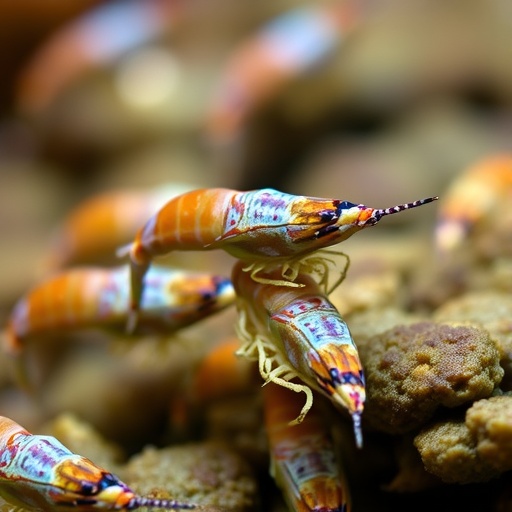
Unveiling the Impact of Galvanic Anode Cathodic Protection on Marine Life: A Deep Dive into Shrimp Development
In the quest for sustainable marine infrastructure, the intersection of technology and environmental science has never been more critical. Recent research conducted by Dussauze et al. explores the often-overlooked effects of galvanic anode cathodic protection systems on the early life stages of Palaemon elegans, a species of shrimp. This investigation sheds light on how cathodic protection systems, commonly employed to mitigate corrosion in marine settings, may inadvertently affect marine organisms during their developmental phases.
The study details the methodologies used to assess the impact of these protection systems, which utilize electrochemical processes to prevent metal corrosion. This technology is widely implemented in marinas and offshore structures, yet little is known about its ecological consequences. By evaluating the shrimp’s early life stages, researchers have sought to fill a significant gap in the scientific understanding of these interactions, crucial for ensuring marine ecosystem health.
Palaemon elegans, also known as the common prawn or shrimp, is a vital organism in the marine food chain. As both predator and prey, their health reflects broader ecosystem dynamics. The experimental design involved observing shrimp larvae exposed to conditions simulating those around galvanic anode systems. The research aimed to quantify any changes in behavior, growth, and survival rates due to exposure to these electrochemical fields, presenting a comprehensive view of potential environmental impacts.
Upon exposure, it was noted that shrimp larvae exhibited a range of physiological and behavioral responses. The research meticulously documented variations in growth rates and survival, providing critical insights into how galvanic anode systems might alter shrimp populations. Notably, the findings indicated a decline in larval survival rates, emphasizing the need for re-evaluating current practices in marine infrastructure development.
Corrosion protection systems, while essential for infrastructure integrity, may induce stress in marine organisms through various mechanisms, such as altered water chemistry or direct electromagnetic effects. Dussauze et al. employed advanced analytical techniques to measure the precise impacts, incorporating both traditional biological assessments and cutting-edge biosensors. Their results demonstrate that the technology, while beneficial for metal structures, poses unintended risks for aquatic life, thereby raising questions about the interplay between human engineering and marine ecology.
One of the more surprising revelations from the study was the potential for these systems to emit metal ions that could influence shrimp development adversely. As shrimp larvae are particularly sensitive to changes in their environment, even minor alterations in ion concentrations could lead to significant physiological changes. This highlights an important consideration for engineers and ecologists alike; that advancements in technology should account for ecological ramifications to protect marine biodiversity effectively.
The overarching implications of this research extend beyond mere academic interest. With marine ecosystems facing unprecedented pressures from climate change and pollution, understanding the interactions between infrastructure and marine organisms is essential for conservation efforts. The study’s authors urge policymakers and marine engineers to consider these findings as they move towards creating more sustainable designs in the future.
Furthermore, the research prompts a reevaluation of regulatory standards surrounding cathodic protection systems. As global industries continue to grapple with the effects of environmental degradation, the integration of ecological assessments in the design phase of marine structures could lead to innovative solutions that harmonize technology and nature. This aligns with a growing movement in engineering — one that seeks to embrace a balance between infrastructure needs and ecological stewardship.
As marine ecosystems continue to bear the burden of anthropogenic activities, the results from Dussauze et al. serve as a crucial reminder of our responsibility to protect the organisms that inhabit these waters. The study underscores the importance of interdisciplinary collaboration between engineers, ecologists, and policymakers in ensuring that future developments do not come at the cost of our oceans’ health.
In conclusion, the findings presented in this research not only highlight the adverse effects of galvanic anodes on shrimp but also draw attention to a larger narrative — one where technological advancement should not eclipse environmental sustainability. As we strive to forge a sustainable future, the insights gained from this study will likely inform best practices moving forward, ensuring both our infrastructural integrity and the health of marine ecosystems remain in balance.
Efficiency in preserving marine biodiversity while utilizing advanced technologies is crucial, marking a significant step towards an integrated approach to marine conservation and engineering. The implications of this research will resonate across numerous sectors, prompting further inquiries into ecological impacts and sparking a dialogue on sustainable practices in marine settings.
As the study by Dussauze et al. highlights, understanding the nuances of technology’s impact on marine life is vital to developing innovative solutions that safeguard our oceans. The intricacies of these relationships must be acknowledged to craft a brighter future for marine life, all while maintaining the advancements that our societies rely upon.
The journey to balance human progress and ecological preservation is underway, and studies like this pave the way for a more sustainable relationship with our oceans.
Dussauze, M., Safi, G., Copin, D. et al. Impact assessment of galvanic anode cathodic protection systems on the early life stages of the shrimp Palaemon elegans.
Environ Sci Pollut Res (2025). https://doi.org/10.1007/s11356-025-37265-8
Cite Scienmag News
Violet Maxwell. (December 16, 2025). Effects of Galvanic Anodes on Shrimp Development. Scienmag. https://scienmag.com/effects-of-galvanic-anodes-on-shrimp-development/
Violet Maxwell. "Effects of Galvanic Anodes on Shrimp Development." Scienmag, 16 December 2025, https://scienmag.com/effects-of-galvanic-anodes-on-shrimp-development/. Accessed 3 September 2026.
Violet Maxwell. "Effects of Galvanic Anodes on Shrimp Development." Scienmag. December 16, 2025. https://scienmag.com/effects-of-galvanic-anodes-on-shrimp-development/


