


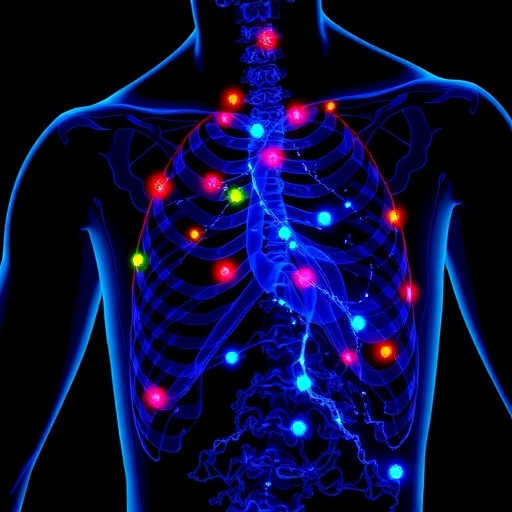
Recent research has illuminated a vital pathway in cancer cachexia, a debilitating syndrome characterized by weight loss, muscle wasting, and systemic inflammation that often affects cancer patients. The study, conducted by a team of scientists led by HJ Kim and published in the Journal of Biomedical Science, investigates the role of CXCL5, a chemokine, in the complex interactions between cancer-associated fibroblasts (CAFs) and cancer cells. The findings hold significant promise for developing therapeutic strategies to mitigate the effects of cachexia, which remains one of the most challenging aspects of cancer treatment.
Cancer cachexia is not simply a result of reduced food intake but is a multifactorial condition involving various biological mechanisms. It leads to profound metabolic dysregulation and is linked to increased morbidity and mortality. The research team sought to dissect the molecular crosstalk between CAFs and cancer cells, specifically how this interaction contributes to the cachectic phenotype. Their hypothesis centered on CXCL5, suggesting it as a crucial player in this vicious cycle, orchestrating the inflammatory response and metabolic changes seen in cachexia.
In their experimental design, the researchers employed a combination of in vitro and in vivo models that mimicked the cachectic environment. These models allowed them to investigate the secretion of CXCL5 by CAFs and its subsequent effects on cancer cell behavior. The results revealed that elevated levels of CXCL5 significantly contributed to the cachectic state, promoting a pro-inflammatory milieu that facilitated muscle breakdown and fat depletion.
Further analysis showed that CXCL5 not only influenced cancer cells but also exerted effects on the surrounding microenvironment, shaping the behavior of CAFs. This reciprocal relationship marked a critical finding, underscoring how CAFs can perpetuate a cycle of inflammation and cachexia through CXCL5 signaling. The disruption of this signaling axis appears to be a promising therapeutic avenue, affording researchers a potential target to alleviate cachexia symptoms.
The study delves into the mechanisms at play, highlighting the role of the CXCL5/CXCR2 axis in fostering an environment conducive to tumor progression and cachexia. Cancer cells respond to CXCL5 by upregulating factors instrumental in promoting inflammation and catabolism. The modulation of this pathway thus stands out as a pivotal strategy to curtail the adverse effects experienced by cachectic patients.
Transitioning from basic research to clinical implications, the insights gained from this study underscore a critical need for novel therapeutic interventions for cachexia. The potential for CXCL5 neutralization to disrupt the harmful crosstalk between CAFs and cancer cells suggests an innovative strategy to combat this syndrome. Therapies that target this specific interaction could enhance the quality of life for patients suffering from cachexia, while also improving their overall cancer treatment outcomes.
This research also sets the stage for further exploration into other chemokines and cytokines that may play a role in cancer cachexia. By broadening the scope of investigation to include a wider array of factors, scientists can paint a more comprehensive picture of the biological underpinnings of this condition. Understanding the interplay of different signaling pathways could yield new insights and therapeutic targets, potentially unlocking more effective treatment modalities.
As the scientific community rallies around the challenge of cancer cachexia, this study contributes essential knowledge to the discourse. The collaboration between different fields of research, including oncology, immunology, and metabolism, will be critical in addressing the multi-faceted nature of cachexia. It highlights the importance of continued research efforts aimed at understanding the intersections of cancer biology and systemic metabolic alterations.
Future studies will need to validate the findings in larger cohorts and explore the efficacy of CXCL5 neutralization in clinical settings. With the rapid advancement of therapeutic approaches aimed at chemokine signaling, the possibilities for innovation in treating cachexia seem promising. The objective remains clear: to develop strategies that not only improve survival rates but also enhance the quality of life for cancer patients battling the burdens of cachexia.
In conclusion, the study led by Kim and colleagues offers compelling evidence that neutralizing CXCL5 may be a breakthrough strategy to alleviate cancer cachexia. By unraveling the complexities of CAF-cancer cell interactions, this research paves the way for targeted interventions that could alter the trajectory of cachexia management. As the field advances, the focus on this critical aspect of cancer care will undoubtedly remain pivotal, influencing both research directions and clinical practices aimed at empowering patients in their fight against cancer.
The implications of this research extend beyond immediate therapeutic applications; they call for a paradigm shift in how we perceive cancer cachexia. No longer viewed simply as a byproduct of cancer, cachexia is emerging as a significant factor that warrants focused attention. By embracing a holistic perspective that incorporates the multifaceted interactions at play, healthcare providers can better equip themselves to address the diverse needs of cancer patients grappling with this complex syndrome.
Ultimately, the journey to understanding cancer cachexia is just beginning. As researchers like Kim and their colleagues continue to investigate the intricate web of signaling pathways, the hope is that innovative therapies will emerge. With dedicated research and collaborative efforts, the vision of alleviating cancer cachexia and improving patient outcomes can become a reality.
Kim, HJ., Kim, SW., Kim, JH. et al. CXCL5 neutralization mitigates cancer cachexia by disrupting CAF-cancer cell crosstalk.
J Biomed Sci 32, 107 (2025). https://doi.org/10.1186/s12929-025-01192-0
Cite Scienmag News
Nathaniel Bowman. (December 15, 2025). CXCL5 Neutralization Reduces Cancer Cachexia Effects. Scienmag. https://scienmag.com/cxcl5-neutralization-reduces-cancer-cachexia-effects/
Nathaniel Bowman. "CXCL5 Neutralization Reduces Cancer Cachexia Effects." Scienmag, 15 December 2025, https://scienmag.com/cxcl5-neutralization-reduces-cancer-cachexia-effects/. Accessed 6 September 2026.
Nathaniel Bowman. "CXCL5 Neutralization Reduces Cancer Cachexia Effects." Scienmag. December 15, 2025. https://scienmag.com/cxcl5-neutralization-reduces-cancer-cachexia-effects/


