


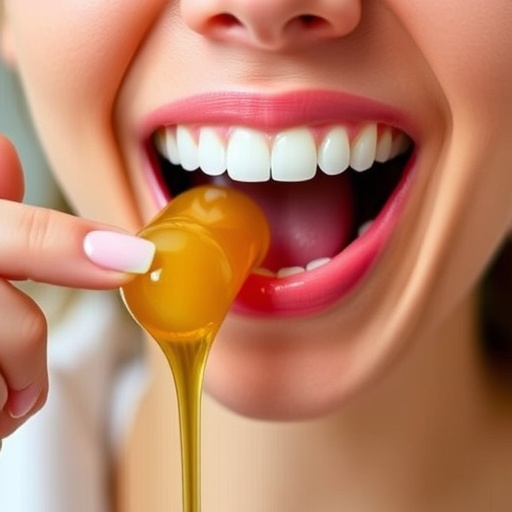
In the world of holistic health and wellness, oil pulling has emerged as a fascinating practice that intertwines ancient traditions with modern scientific inquiry. This practice, rooted in Ayurvedic medicine, involves swishing a tablespoon of oil in the mouth for approximately 15 to 20 minutes. Advocates of oil pulling claim that it can improve oral hygiene, whiten teeth, and even contribute to systemic health benefits. While these assertions have gained traction on social media and wellness blogs, the scientific community remains tasked with unraveling the nuanced effects and efficacy of oil pulling.
The recent study conducted by Altıngöz and Memiş Özgül, published in BMC Complementary Medicine and Therapies, delves into the level of knowledge and awareness about oil pulling among dental professionals and students. With its cross-sectional design, the study aims to gather insights from those at the forefront of oral healthcare. The findings could potentially influence how dental education and practices evolve concerning complementary therapies such as oil pulling.
In this study, a notable proportion of participants reported awareness of oil pulling as a traditional practice. However, awareness does not necessarily equate to knowledge. Many respondents exhibited a fundamental understanding of the procedure but lacked information on its biological mechanisms or potential health outcomes. What is particularly intriguing is the disparity in the knowledge base between seasoned dentists and dental students. It appears that experience in the field may not directly correlate with a deeper understanding of alternative health practices like oil pulling.
The study also highlighted a range of opinions among dental professionals regarding the perceived benefits of oil pulling. Some dentists supported the idea that oil pulling could serve as a supplementary oral hygiene practice, particularly for patients seeking natural remedies. However, there was also a healthy skepticism among others, who emphasized the need for more rigorous scientific evidence to validate such claims. This spectrum of beliefs reflects a larger conversation happening in healthcare about the integration of traditional practices into modern therapeutic regimens.
As the discourse surrounding oil pulling continues to expand, it is vital to approach any claims with caution. The study sought to bridge the gap between anecdotal evidence and scientifically corroborated facts, opening the door for further investigation. For a practice steeped in cultural history, the scientific community’s interest is crucial in understanding its multifaceted implications on health.
Another important aspect of the research was the investigation of how oil pulling could be positioned within dental curricula. With many students showing enthusiasm towards alternative therapies, the potential incorporation of oil pulling education into dental programs could enhance future practitioners’ holistic approach to patient care. The potential for such integration raises questions about how dental education can adapt to the ever-evolving landscape of healthcare and patient preferences.
The methodology utilized in the study demonstrates the importance of cross-sectional research in capturing a snapshot of current attitudes within dentistry towards emerging health trends. Administering surveys to both dentists and dental students allowed for a comprehensive analysis of their familiarity with oil pulling. The researchers utilized a statistically sound sampling technique, giving credibility to the data collected.
In light of these findings, future research may aim to explore the physiological effects of oil pulling in a controlled environment. Investigating parameters such as oral microbiota, inflammation levels, and overall systemic health could yield enlightening results. As healthcare continues to embrace a more integrative model, understanding practices like oil pulling could pave the way for novel therapeutic approaches that marry conventional and alternative methods.
Furthermore, the study raises an important dialogue about patient communication. With many individuals seeking out alternative therapies like oil pulling, dentists must be equipped with adequate knowledge to guide their patients effectively. This necessitates increased focus on continuing education, particularly about complementary practices that patients may already be engaging in.
Navigating the relationship between traditional practices and evidence-based medicine can be challenging, yet rewarding. The study emphasizes the responsibility that dental professionals hold in staying informed about patient interests in natural remedies while correlating these practices with proven scientific knowledge. Enhancing communication and fostering trust with patients can lead to more informed choices regarding oral health.
Moreover, the global increase in the popularity of oil pulling signifies a broader trend toward natural remedies in health management. As patients become more educated on health and wellness, a shift is likely to occur in how healthcare providers interact with new findings. This presents an opportunity for dentists to play a pivotal role in educating patients on effective practices while addressing any misconceptions that may arise.
In conclusion, the implications of Altıngöz and Memiş Özgül’s study extend beyond oil pulling itself. The inquiry sheds light on the need for a dynamic dialogue between traditional practices and modern dental ethics. As the healthcare landscape evolves, recognizing and embracing the patient’s desire for alternative treatments could be paramount in advancing dental practice. This research also ignites curiosity about what the future holds for integrative healthcare strategies, where practices like oil pulling could find a more solidified role in professional recommendations.
As we explore the intersections of traditional wisdom and contemporary healthcare, one thing remains certain: ongoing research and education will be essential in bridging gaps and enhancing the overall understanding of holistic health practices.
Altıngöz, S.M., Memiş Özgül, B. Knowledge and awareness about the effects and health benefits of oil pulling among dentists and dental students: a cross-sectional study.
BMC Complement Med Ther (2025). https://doi.org/10.1186/s12906-025-05209-x
Cite Scienmag News
Ophelia Keating. (December 14, 2025). Understanding Oil Pulling: Insights from Dentists and Students. Scienmag. https://scienmag.com/understanding-oil-pulling-insights-from-dentists-and-students/
Ophelia Keating. "Understanding Oil Pulling: Insights from Dentists and Students." Scienmag, 14 December 2025, https://scienmag.com/understanding-oil-pulling-insights-from-dentists-and-students/. Accessed 3 September 2026.
Ophelia Keating. "Understanding Oil Pulling: Insights from Dentists and Students." Scienmag. December 14, 2025. https://scienmag.com/understanding-oil-pulling-insights-from-dentists-and-students/


