


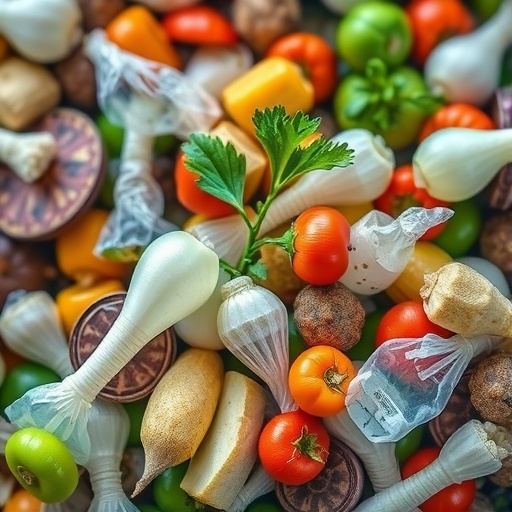
In an alarming study published in Environmental Science and Pollution Research, researchers have uncovered the pervasive issue of microplastics infiltrating our food supply. The focus of the research was vegetables cultivated near a municipal solid waste dumping ground in Kolkata, India. This location, rife with environmental challenges, served as the ideal backdrop for investigating the extent of microplastic contamination in agricultural produce. The findings raise critical questions regarding food safety and public health—not only in India but worldwide.
Microplastics, defined as plastic particles smaller than 5 millimeters, have become an omnipresent environmental contaminant. They are often derived from the degradation of larger plastic waste or can be sourced from products like cosmetics and clothing. As our reliance on plastic technology continues to grow, so too does the environmental burden created by these minute particles. The presence of microplastics in agricultural soils, particularly those adjoining waste sites, poses significant risks not just to ecosystems but also to human health through the consumption of contaminated food.
The research undertaken by Katnur, Mondal, and Tudu, alongside their colleagues, involved the systematic sampling of various vegetables grown in the vicinity of the waste dump. The study highlighted the alarming levels of microplastics detected in produce like leafy greens, root vegetables, and fruit-bearing plants. These samples were meticulously analyzed using advanced filtration methods and microscopy, ensuring a comprehensive understanding of the types and concentrations of microplastics present. The characteristics of these microplastics varied, indicating different sources of contamination, which is crucial for devising remediation strategies.
A critical aspect of the research was the impact of these contaminants on human health and the food chain. Microplastics can adsorb harmful environmental pollutants, potentially entering the human body with serious repercussions, including hormonal disruption and inflammatory responses. The ingestion of these particles is not merely a food safety issue; it transcends into the realm of public health, linking environmental pollution directly to human health outcomes. This connection underscores the urgent need for immediate attention and regulatory action.
Further examination of the surrounding vicinity revealed additional layers of contamination risk, as neighboring industrial facilities and urban runoff contributed to the microplastic crisis. Rainwater runoff from roadways and urban areas has been shown to introduce microplastics into agricultural lands, further exacerbating the issue. Consequently, the researchers called for a multi-faceted approach involving local governments, industries, and agricultural practices to mitigate these risks and protect the food supply.
The findings underscore a grim reality for urban agricultural practices, particularly in developing regions where waste management systems may be inadequate. The study highlights the need for comprehensive waste management solutions and greater public awareness of microplastic pollution. Communities must be educated about sustainable agricultural practices, emphasizing the need to minimize plastic usage and enhance waste disposal systems.
To combat the growing issue of microplastics, many researchers advocate for stronger regulations on plastic production and disposal. Initiatives aimed at reducing plastic use, including bans on single-use plastics, need to be more broadly implemented. The pressure on the plastic industry to develop biodegradable materials has never been higher as the repercussions of microplastic contamination become increasingly evident.
Another significant facet of the research is the need for innovation in materials and practices within the agricultural sector. Possible interventions include the adoption of biodegradable plastics within agricultural practices as well as enhanced cultivation techniques that lessen reliance on plastic sheeting and packaging. The development of alternative materials and the promotion of organic farming practices could play pivotal roles in reducing microplastic contamination in food crops.
As alarming as these findings are, they also present an opportunity for proactive measures. Researchers suggest that collaboration between scientists, policymakers, and the agricultural community is essential. Formulating evidence-based policies and public health initiatives can significantly reduce microplastic contamination and enhance food safety.
The study isn’t isolated but part of a larger global narrative concerning food safety and environmental health. As similar studies emerge across different regions, they collectively emphasize the global scale of the microplastic issue. Each finding adds urgency to the call for coordinated international efforts to combat plastic pollution in food systems, enforcing common standards to protect consumers.
Public engagement remains critical in addressing this issue. Awareness campaigns targeting consumers can empower individuals to make informed choices about their food sources, driving demand for cleaner agricultural practices and sustainable products. As consumers become more educated about the risks associated with microplastic contamination, there will be a greater push for businesses to adopt environmentally friendly practices.
In conclusion, the study’s revelations on microplastics in vegetables from Kolkata’s dumping ground serve as a harrowing reminder of the interconnectedness of waste management, agricultural practices, and public health. The findings not only question the safety of our food supply but also highlight the need for collective action to safeguard public health and the environment. It is time for all stakeholders—scientists, policymakers, farmers, and consumers—to work in tandem to address this pressing issue that threatens not only our food but our very health and well-being.
Cite Scienmag News
Violet Maxwell. (December 13, 2025). Microplastics in Vegetables Near Kolkata Waste Dumps. Scienmag. https://scienmag.com/microplastics-in-vegetables-near-kolkata-waste-dumps/
Violet Maxwell. "Microplastics in Vegetables Near Kolkata Waste Dumps." Scienmag, 13 December 2025, https://scienmag.com/microplastics-in-vegetables-near-kolkata-waste-dumps/. Accessed 5 September 2026.
Violet Maxwell. "Microplastics in Vegetables Near Kolkata Waste Dumps." Scienmag. December 13, 2025. https://scienmag.com/microplastics-in-vegetables-near-kolkata-waste-dumps/


