


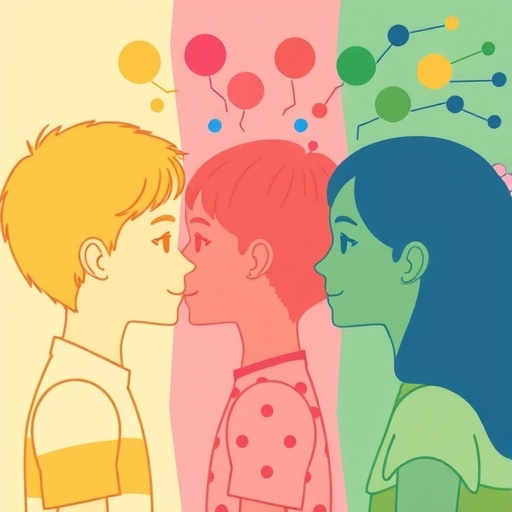
In a groundbreaking study, researchers have delved deep into the emotional and cognitive dynamics of parents raising children with Autism Spectrum Disorder (ASD). This research, led by esteemed scholars Fan, Y., Shu, L., and Zhang, S., reveals unique patterns of empathy among these parents, shedding light on the nuanced experiences they encounter daily. As awareness surrounding autism grows, understanding parental empathy becomes vital, particularly as it plays a significant role in the emotional and social development of children with ASD.
This exploration stems from the fact that parents of children with autism often face tremendous challenges. Raising a child with ASD can be an intense emotional journey, marked by a range of feelings from frustration to unconditional love. Empathy, the ability to understand and resonate with the emotions of others, is crucial for effective parenting. However, the study suggests that empathy in parents of children with ASD manifests in distinctive ways, differing significantly from typical parental empathy patterns.
Through rigorous behavioral assessments and self-report questionnaires, the researchers aimed to capture a comprehensive view of empathy in these parents. Unlike traditional approaches that might generalize parental experience, this study adopted a tailored perspective focusing specifically on parents of children with ASD. By analyzing both cognitive and emotional components of empathy, the researchers sought to paint a holistic picture of how these parents connect with their children’s experiences.
The findings indicate that cognitive empathy, the ability to understand another person’s perspective, can differ markedly among parents of children with autism. While some parents demonstrated high cognitive empathy, allowing them to remain aware of their child’s inner struggles, others found it challenging to translate that understanding into emotional support. This discrepancy may stem from the overwhelming demands of caring for a child with complex needs.
On the emotional side, the study revealed that many parents displayed heightened emotional empathy. This refers to an emotional resonance with another’s feelings, and in this case, many parents reported feeling intense sorrow or joy corresponding with their child’s emotions. Such emotional connections can enhance the bond between parent and child, creating a nurturing environment that can benefit the child’s development. However, this can also lead to emotional burnout, as the parents may struggle to manage their own emotional well-being while heavily invested in their child’s feelings.
The implications of these patterns of empathy are profound. Understanding that parents of children with ASD may experience empathy differently can foster tailored support systems. For example, programs designed to assist these families can focus not just on the children, but also on equipping parents with coping strategies that align with their unique emotional experiences. This creates a more holistic family support framework, which recognizes the intricate interplay between a parent’s empathy and the emotionality of their child.
Furthermore, the research position invokes a call for deeper inquiry into the psychological impact of autism on family dynamics. It suggests a need for mental health resources that target not just the children diagnosed with ASD, but also their families, who often endure high levels of stress and psychological strain. By recognizing the distinct emotional and cognitive empathy patterns, mental health professionals can better tailor interventions, offering parents the tools necessary for both self-care and effective parenting.
In essence, this study contributes to an evolving narrative around autism and caregiving. While traditional research methodologies have often centered on the child, this recent investigation highlights the importance of parental experience and empathy, marking a shift in perspective. It demands recognition of the parent’s role in the developmental journey of children with autism, advocating for comprehensive approaches that include the emotional and psychological wellness of parents.
The findings from this new research have the potential to influence policies and support systems at large. By translating these insights into action, communities can develop resources that genuinely cater to the needs of families facing autism, ensuring that no parent has to navigate these complex waters alone. It emphasizes the necessity for collaboration among schools, health professionals, and community support networks to create synergies that uplift both children and their parents.
In conclusion, the distinct patterns of empathy illuminated by Fan, Y., Shu, L., and Zhang, S. serve not only to highlight the challenges faced by parents of children with autism but also to celebrate the profound resilience many exhibit. It reinforces the idea that understanding the emotional landscape of these parents can lead to more compassionate and effective support systems. As ongoing research unravels more about the intricate relationship between parenting and autism, it will pave the way for innovative solutions to improve the quality of life for both children and their parents.
Through this lens, the study stands as a testament to the human spirit’s depth and the exceptional empathy parents can develop in the face of extraordinary circumstances. As society evolves in its understanding of autism and parenthood, this research will surely be a cornerstone in fostering understanding, compassion, and effective support systems for families across the globe.
Cite Scienmag News
Ophelia Keating. (December 13, 2025). Diverse Empathy Types in Parents of Autistic Children. Scienmag. https://scienmag.com/diverse-empathy-types-in-parents-of-autistic-children/
Ophelia Keating. "Diverse Empathy Types in Parents of Autistic Children." Scienmag, 13 December 2025, https://scienmag.com/diverse-empathy-types-in-parents-of-autistic-children/. Accessed 6 September 2026.
Ophelia Keating. "Diverse Empathy Types in Parents of Autistic Children." Scienmag. December 13, 2025. https://scienmag.com/diverse-empathy-types-in-parents-of-autistic-children/


