


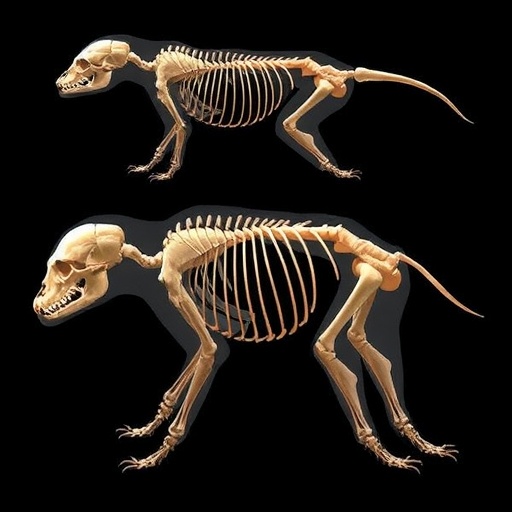
Recent advancements in neuroscience have led researchers to explore the mechanisms underlying motor impairments, particularly in the context of hemiplegia, a condition often resulting from strokes or traumatic injuries. A groundbreaking study conducted by Liu, Xu, and Cheng sheds light on the anatomical and behavioral characteristics of three distinct hemiplegic animal models. This research not only broadens our understanding of hemiplegic conditions but also paves the way for potential therapies that could significantly improve patient outcomes.
The study, published in BMC Neuroscience, meticulously details how hemiplegia affects motor function through the utilization of advanced imaging modalities. The researchers employed state-of-the-art neuroimaging techniques to examine anatomical deviations in the brains of the hemiplegic models, thus providing a crucial insight into the impact of induced hemiplegia on brain structure. These insights are pivotal as they connect physical changes in the brain to observable behavioral deficits in the affected subjects.
Behavioral assessments were rigorously conducted to evaluate the degree of impairment in each of the three models. The researchers utilized a variety of tests designed to quantify motor function and assess the severity of hemiplegia. These tests revealed significant deficits in coordinated movements, indicating that the degree of brain injury correlates tightly with the observed behavioral outcomes. The implications of such findings are critical, suggesting that targeted rehabilitation strategies could be developed based on the specific profiles of impairment exhibited by different hemiplegic models.
In addition to behavioral assessments, the research team utilized histological analyses to examine the underlying cellular and tissue-level changes that accompany hemiplegia. This included looking for the presence of neuroinflammatory markers and structural changes such as neuron loss or atrophy in specific brain regions associated with motor function. The correlation between the anatomical changes and behavioral deficits observed can aid in formulating hypotheses regarding the neurobiological mechanisms of hemiplegia.
Furthermore, the study offers a comparative analysis of the three hemiplegic models, highlighting the nuances in their anatomical and behavioral presentations. Each model, while exhibiting similar motor deficits, also exhibited unique characteristics that could potentially serve as a means for tailored therapeutic interventions. The researchers emphasize the importance of such comparative studies, as they enable a deeper understanding of the inter-individual variability inherent in hemiplegic conditions.
This investigation into hemiplegic animal models contributes substantially to the existing body of knowledge regarding neuroplasticity and recovery following brain injuries. The authors suggest that understanding how varying degrees of hemiplegia manifest can facilitate more effective rehabilitation strategies. If the mechanisms leading to recovery can be deciphered from these models, it could revolutionize therapeutic approaches, including pharmacological, physical, and occupational therapy.
The implications of this research extend beyond academic understanding. By providing a clearer picture of how hemiplegia alters both structure and function in the brain, it creates pathways for developing new treatments. The insights gleaned from these animal models could eventually translate into better management strategies for patients suffering from hemiplegia due to stroke or injury.
Additionally, this study emphasizes the need for interdisciplinary approaches in neuroscience research. Collaborations between neurobiologists, clinicians, and rehabilitation specialists are crucial for translating findings from animal models into human applications. Such teamwork can enhance the development of innovative therapies that target specific deficits caused by hemiplegia.
Moreover, the exploration of behavioral therapies tailored to the unique impairments exhibited by the different models could result in personalized rehabilitation plans. Such strategies are likely to yield more successful recovery outcomes, as therapy can be aligned more closely with the specific needs of each patient, fostering an environment conducive to neuroplastic change.
As the global population ages, the incidence of conditions leading to hemiplegia is expected to rise, making this research even more timely. Understanding the nuances of this condition is essential for healthcare providers as they seek to offer effective treatment options. The insights provided by Liu, Xu, and Cheng’s study can lead to enhanced protocols that not only cater to immediate recovery needs but also ensure long-term functional independence for patients.
In conclusion, the study conducted by Liu and colleagues marks a significant advancement in the field of neuroscience with respect to hemiplegic conditions. Through the anatomical and behavioral characterization of three hemiplegic animal models, this research opens new avenues for targeted therapeutic strategies. The findings underscore the complexity of hemiplegia and suggest a multifaceted approach to treatment that could harness the brain’s inherent capacity for recovery.
As research continues to evolve, it is essential for the scientific community to keep pushing the boundaries of our knowledge. With each study, including this pivotal investigation, we move closer to unlocking the secrets behind motor impairments and ultimately improving the lives of those affected by hemiplegia.
Cite Scienmag News
Cassandra Pierce. (December 13, 2025). Exploring Three Hemiplegic Animal Models: Anatomy and Behavior. Scienmag. https://scienmag.com/exploring-three-hemiplegic-animal-models-anatomy-and-behavior-2/
Cassandra Pierce. "Exploring Three Hemiplegic Animal Models: Anatomy and Behavior." Scienmag, 13 December 2025, https://scienmag.com/exploring-three-hemiplegic-animal-models-anatomy-and-behavior-2/. Accessed 5 September 2026.
Cassandra Pierce. "Exploring Three Hemiplegic Animal Models: Anatomy and Behavior." Scienmag. December 13, 2025. https://scienmag.com/exploring-three-hemiplegic-animal-models-anatomy-and-behavior-2/


