


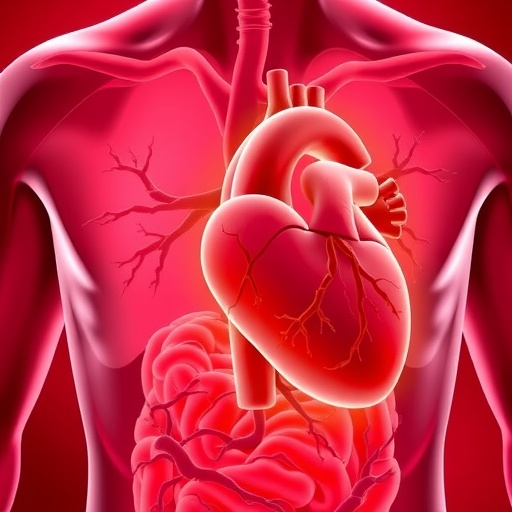
In advanced medical research, the connection between intestinal health and systemic disease emerges as a critical area of exploration, particularly in the context of chronic conditions such as liver cirrhosis and heart failure. A recent study spearheaded by Wang et al. delves into the concept of intestinal congestion, presenting it as a significant driver of gut dysbiosis. This dysbiosis may unleash a plethora of complications that transcend the gut, remarkably impacting hemodynamic stability and disease progression in both liver and cardiac ailments.
The premise of the research centers around the understanding that intestinal congestion can lead to alterations in gut microbiota composition, which in turn influences systemic inflammation and organ function. This connection paints a vivid picture of the gut as not merely a digestive organ but a crucial player in systemic disease management and progression. Given the intricacies of the gut-brain axis and the systemic effects of microbiota, these findings particularly underscore the necessity for a multidisciplinary approach in treating conditions like liver cirrhosis and heart failure.
Through a meticulous examination of hemodynamic changes associated with both liver cirrhosis and heart failure, the researchers have laid groundwork for understanding how fluid dynamics in the intestines affect overall disease severity. The gastrointestinal system’s ability to manage fluid can be severely compromised in patients with cirrhosis or heart failure. Fluid overload in these patients often leads to congestion—a hallmark of disease progression that exacerbates symptoms and diminishes quality of life.
Notably, the study highlights the role of the gut microbiome as a mediator in this process. Dysbiosis, characterized by an imbalance in microbial populations, can perpetuate a cycle of inflammation and further systemic dysfunction. Alterations in gut bacteria can influence the production of short-chain fatty acids, metabolites that are vital for maintaining gut health and systemic homeostasis. Understanding these mechanisms can pave the way for novel therapeutic interventions aimed at restoring microbiota equilibrium to alleviate symptoms and improve outcomes in patients suffering from these debilitating conditions.
One of the study’s innovative segments is the exploration of therapeutic avenues that might arise from the findings. Probiotics and prebiotics have been considered as potential adjunct therapies, aiming to restore a healthy microbiome and combat the dysbiosis evoked by intestinal congestion. However, the authors caveat that much work is still needed to evaluate the efficacy and safety of such interventions in high-risk populations, including those with liver cirrhosis and heart failure.
Furthermore, the authors also consider the implications of their findings for treatment protocols. In light of their research, healthcare providers may need to rethink traditional approaches that focus solely on managing symptoms. Instead, integrating a more holistic view of patient health that includes gastrointestinal assessment and management could provide a dual benefit by improving both intestinal health and systemic conditions.
The cross-disease perspective presented by the study not only encourages further investigation into shared pathophysiological mechanisms but also fosters collaboration among specialists in gastroenterology, cardiology, hepatology, and microbiology. Such collaboration could yield comprehensive treatment strategies, improving patient outcomes across these intersecting fields of medicine.
This research opens avenues for future investigations that could delve deeper into identifying specific microbial populations that are adversely affected by congestion in these chronic illness settings. By pinpointing harmful bacteria or deficient beneficial strains, targeted probiotic therapies could be developed, offering tailored interventions based on individual microbiome profiles.
It is also essential to recognize the potential socio-economic implications of this research. Patients with liver cirrhosis and heart failure often present a considerable burden to healthcare systems due to frequent hospitalizations and the requirement for complex management strategies. By addressing gut dysbiosis and improving fluid management in these patients, healthcare providers may significantly reduce hospital admissions and associated costs, while simultaneously enhancing the quality of life for many individuals.
In conclusion, the study conducted by Wang et al. marks a pivotal advancement in our understanding of the interplay between intestinal congestion and systemic diseases like liver cirrhosis and heart failure. As research progresses, the promise of integrative and microbiome-focused treatment strategies could reshape approaches to these chronic conditions. By rendering the gut a central player in therapeutic consideration, the healthcare community might facilitate a paradigm shift that emphasizes the interconnectedness of organ systems and propels us towards more effective, comprehensive patient care strategies.
Moving forward, it will be crucial for ongoing studies to dissect the biochemical pathways influenced by gut dysbiosis, exploring their contribution to organ dysfunction and disease trajectories. This rich field of research holds the potential to unearth insights that not only benefit those already diagnosed with these conditions but also advocate for preventive measures that promote gut health as foundational to overall systemic wellness.
Cite Scienmag News
Morgan Morrow. (December 13, 2025). Intestinal Congestion: A Link Between Cirrhosis and Heart Failure. Scienmag. https://scienmag.com/intestinal-congestion-a-link-between-cirrhosis-and-heart-failure/
Morgan Morrow. "Intestinal Congestion: A Link Between Cirrhosis and Heart Failure." Scienmag, 13 December 2025, https://scienmag.com/intestinal-congestion-a-link-between-cirrhosis-and-heart-failure/. Accessed 4 September 2026.
Morgan Morrow. "Intestinal Congestion: A Link Between Cirrhosis and Heart Failure." Scienmag. December 13, 2025. https://scienmag.com/intestinal-congestion-a-link-between-cirrhosis-and-heart-failure/


