


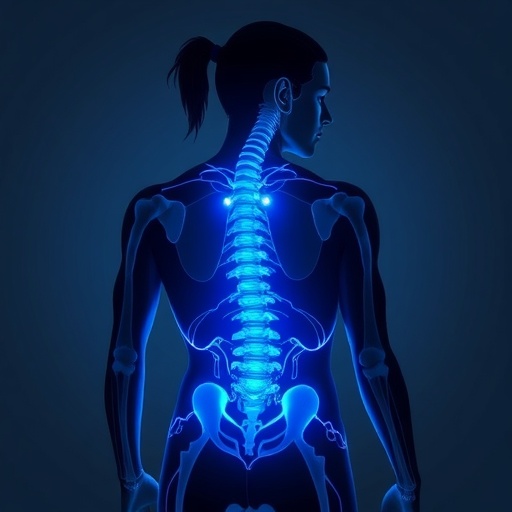
In the realm of advancing technology and artificial intelligence, a groundbreaking development has emerged that stands to revolutionize how we approach posture correction and enhancement. Recently, a team of researchers, led by Mohankumar, Charumathi, and Hendry, unveiled their innovative system known as Ergoguard, a low-cost solution that leverages the power of machine learning to help users maintain better posture. This remarkable integration of artificial intelligence into everyday wellness tools marks a significant milestone in the intersection of health and technology, designed specifically for the masses.
Ergoguard is not just another gadget on the market; it is a sophisticated non-wearable system designed to provide users with real-time feedback on their posture. As millions grappling with poor posture due to sedentary lifestyles can attest, the physical ramifications can be extensive, leading to chronic pain, decreased productivity, and a myriad of related health issues. The Ergoguard system targets these concerns by utilizing advanced algorithms that monitor the user’s posture in real-time, offering insights and modifications to help them adjust their positioning.
The researchers have designed Ergoguard to be incredibly user-friendly, ensuring that individuals from all walks of life can benefit from its capabilities. The system employs an array of sensors that can be strategically placed around a user’s workspace or living area. By analyzing data from these sensors, Ergoguard computes the user’s posture and provides instantaneous feedback through visual indicators and vibrations, helping them adjust their stance accordingly. Such immediate corrective measures can significantly reduce the adverse effects of poor posture.
Among the most striking features of Ergoguard is its affordability. Unlike many posture correction devices that are often prohibitively expensive, Ergoguard was developed with cost-effectiveness in mind. This approach is a game-changer, making posture enhancement technology accessible to a wider audience. In a world where health-related technologies can often come with a hefty price tag, Ergoguard presents a practical alternative that does not compromise on quality or effectiveness.
The machine learning algorithms that power Ergoguard are another area of innovation worth highlighting. Unlike static devices that may provide generic advice about posture, Ergoguard learns and adapts to each individual user. This personalization sets it apart, allowing the system to evolve based on the user’s habits and preferences. Over time, Ergoguard becomes not just an advisory tool but a personalized health coach that encourages users to develop better habits sustainably.
In their study, the research team outlined various trials conducted to assess Ergoguard’s effectiveness. These trials involved a diverse range of participants, which ensured that the results were comprehensive and representative of the general population. Participants reported significant improvements in their posture and overall comfort after using Ergoguard over a sustained period. The system’s ability to provide consistent feedback was instrumental in helping users develop an awareness of their posture, which is often overlooked in daily life.
Ergoguard addresses a major gap in the wellness market by focusing specifically on posture, an aspect of health that is frequently neglected. Others may focus on broader fitness metrics or weight loss, but Ergoguard hones in on a crucial element that affects physical health in countless ways. By tackling posture, this system not only helps in alleviating discomfort but also enhances productivity, as users who maintain better posture can concentrate better and experience increased energy levels throughout the day.
The success of Ergoguard can largely be attributed to the interdisciplinary approach taken by the research team. The combination of expertise in machine learning, human ergonomics, and user interaction design has resulted in a product that is not only effective but also intuitively designed. This intersection of disciplines is key in developing technologies that genuinely resonate with users, ensuring high engagement and adherence to the suggested improvements.
Moreover, the Ergoguard system is situated at the forefront of a growing trend towards preventive health measures. Instead of waiting for health issues to arise and then addressing them through reactive measures, Ergoguard encourages users to proactively manage their posture, contributing to their long-term health and wellness. This shift in mindset is crucial in addressing the rising concerns around sedentary behavior, particularly in an age where remote work and technology usage are endemic.
As Ergoguard moves towards commercialization, its potential impact on public health cannot be overstated. With back pain and related issues ranking as some of the leading causes of disability worldwide, the introduction of a user-friendly, cost-effective posture enhancement system could significantly alleviate the burden on healthcare systems. Fostering a culture of awareness and preventative care through Ergoguard can potentially lead to healthier populations and reduced healthcare costs over time.
Given the increasing awareness of health and wellness in today’s society, Ergoguard could very well capture the public’s imagination. The combination of cutting-edge technology, affordability, and the promise of improved health outcomes is bound to resonate strongly with consumers. As technology continues to shape our daily lives, products like Ergoguard will likely become essential tools for enhancing well-being.
The research team behind Ergoguard is hopeful that their innovation will inspire further developments in the field of posture correction and health technology. With continued advancements in machine learning and user-centered design, the potential for future iterations of Ergoguard is vast. As they move forward, they aim to explore additional features that could enhance user engagement and further personalize the experience, drawing from user feedback to refine their approach.
As Ergoguard is positioned to hit the market, it serves as a reminder of the transformative power of technology in addressing age-old health issues. The health sector is rapidly evolving; tools like Ergoguard exemplify how innovation can create new pathways to better health and wellness. Ultimately, Ergoguard is more than just a product–it’s a step towards a future where better posture is within everyone’s reach.
With the promise of Ergoguard now on the horizon, users eager to improve their posture and enhance their quality of life finally have an answer that combines technology, affordability, and user engagement. As we await its official launch, the excitement surrounding this innovative machine learning-based system underscores a pivotal shift in how we think about and manage our health in an increasingly digital world.
Mohankumar, P., Charumathi, P., Hendry, S.M. et al. Ergoguard a low cost non wearable machine learning based posture enhancement system.
Discov Artif Intell (2025). https://doi.org/10.1007/s44163-025-00684-0
Cite Scienmag News
Blake Davidson. (December 13, 2025). Revolutionary Low-Cost Machine Learning Posture Enhancer! Scienmag. https://scienmag.com/revolutionary-low-cost-machine-learning-posture-enhancer/
Blake Davidson. "Revolutionary Low-Cost Machine Learning Posture Enhancer!" Scienmag, 13 December 2025, https://scienmag.com/revolutionary-low-cost-machine-learning-posture-enhancer/. Accessed 4 September 2026.
Blake Davidson. "Revolutionary Low-Cost Machine Learning Posture Enhancer!" Scienmag. December 13, 2025. https://scienmag.com/revolutionary-low-cost-machine-learning-posture-enhancer/


