


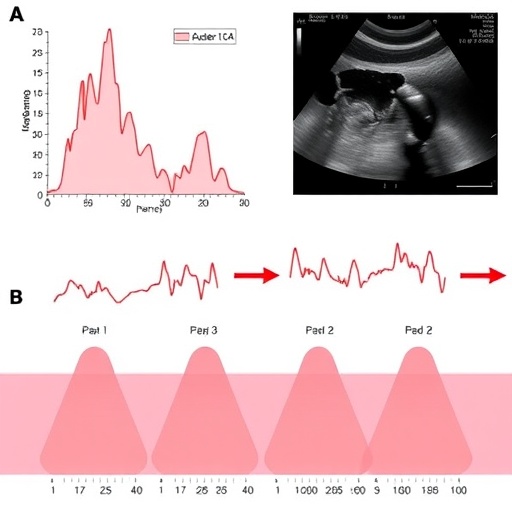
Recent research has shed light on the important relationship between arterial thickness and macrovascular complications in diabetics, with a significant emphasis on the role of homocysteine. A team composed of esteemed researchers, Jin, S., Zhao, S., and Yue, X., conducted a groundbreaking study that investigates arterial thickness through high-resolution ultrasonography, providing insightful data on a crucial aspect of diabetic health. Their findings, published in the prestigious journal BMC Endocrine Disorders, highlight the varying impacts of diabetes and its complications on a designated patient population.
Arterial health is critical for individuals with diabetes, as it plays a significant role in cardiovascular diseases, markedly affecting morbidity and mortality rates. The study by Jin and colleagues acts as a compelling reminder that diabetic patients are at risk of developing macrovascular complications. These complications, such as stroke and heart disease, can arise from pathological changes in arterial structures, which can be assessed through advanced imaging techniques like ultrasonography.
High-resolution ultrasonography is a non-invasive technique that has gained recognition for its effectiveness in diagnosing and monitoring vascular conditions. This imaging modality allows researchers and clinicians to visualize and measure arterial thickness, which is an important indicator of cardiovascular health. The researchers underscored that understanding the variability in arterial thickness among diabetic patients could provide vital insights into their overall health status and potential risk for complications.
The findings of the research indicate that diabetics with macrovascular complications showed significantly increased arterial thickness when compared with those without complications. This suggests a direct link between the severity of diabetes and its vascular impact. Over time, the accumulation of damage in arterial walls can lead to a higher incidence of serious cardiovascular events, emphasizing the need for regular monitoring and preventive measures in diabetic patients.
Homocysteine, an amino acid that has been previously associated with cardiovascular problems, was also a focal point of the study. Elevated levels of homocysteine have been linked to an increased risk of blood clot formation and arterial damage, making it a significant biomarker in cardiovascular research. The team found that higher levels of homocysteine corresponded with increased arterial thickness in diabetics, creating a compelling connection for healthcare providers to consider.
This relationship raises a crucial question: could monitoring homocysteine levels lead to improved management strategies for patients with diabetes? The study suggests that routine monitoring of both arterial thickness and homocysteine levels could aid in the early detection of impending macrovascular complications, providing an opportunity for timely intervention. Such preventive strategies could potentially save lives and reduce healthcare costs associated with severe cardiovascular events.
Moreover, the research emphasizes the need for personalized medical approaches in treating diabetes. Individualized risk factors such as arterial thickness and homocysteine levels may pave the way for tailored treatment plans. By identifying those at higher risk for complications, healthcare providers can implement more aggressive preventive measures, such as lifestyle modifications or targeted pharmacotherapy.
In essence, the pioneering work set forth by Jin and colleagues opens the door to a deeper understanding of the complexities surrounding diabetic vascular health. While their findings present a framework for increased scrutiny on arterial thickness and homocysteine levels, ongoing research will be necessary to further elucidate these relationships. Exploring genetic factors, lifestyle influences, and long-term outcomes could deepen our comprehension of how diabetes impacts arterial health.
This study also highlights the importance of collaboration between researchers, clinicians, and patient advocates in the fight against diabetes-related complications. By continuously sharing innovative research findings and clinical experiences, the medical community can foster improvements in management practices that directly benefit patients. Knowledge sharing can empower patients with diabetes to take an active role in their health through informed lifestyle choices and regular medical evaluations.
The implications of this research extend beyond the academic realm; they touch on broader public health concerns. With diabetes rapidly becoming a global epidemic, understanding its complications is essential for developing effective interventions. This research not only offers valuable insights but also reinforces the necessity for healthcare systems to adapt and respond to the evolving challenges posed by diabetes and its cardiovascular ramifications.
In summary, this significant study leverages high-resolution imaging techniques to draw correlations between arterial thickness, homocysteine levels, and macrovascular complications in diabetic individuals. Such insights are paramount for crafting effective treatment paradigms and optimizing patient outcomes. As the understanding of these complex interactions continues to evolve, the hope is that advancements in technology and research will translate into innovative strategies that specifically target these paramount health challenges associated with diabetes.
Cite Scienmag News
Ophelia Keating. (December 12, 2025). Ultrasound Measures Arterial Thickness in Diabetics and Homocysteine. Scienmag. https://scienmag.com/ultrasound-measures-arterial-thickness-in-diabetics-and-homocysteine/
Ophelia Keating. "Ultrasound Measures Arterial Thickness in Diabetics and Homocysteine." Scienmag, 12 December 2025, https://scienmag.com/ultrasound-measures-arterial-thickness-in-diabetics-and-homocysteine/. Accessed 3 September 2026.
Ophelia Keating. "Ultrasound Measures Arterial Thickness in Diabetics and Homocysteine." Scienmag. December 12, 2025. https://scienmag.com/ultrasound-measures-arterial-thickness-in-diabetics-and-homocysteine/


