


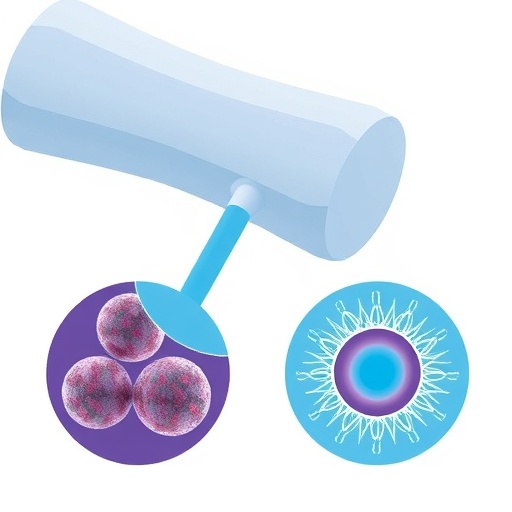
In a groundbreaking study poised to revolutionize the treatment landscape of chronic lymphocytic leukemia (CLL), researchers have unveiled a novel therapeutic strategy that effectively circumvents apoptotic resistance. This resistance, a cardinal obstacle in the management of CLL, frequently arises from the amplification of oncogenic proteins MDM2 and MDMX, which antagonize the pivotal tumor suppressor p53. The investigative team, led by Kurt, Kayhan, and Özgür Büyükatalay, has demonstrated that a combination of the dual MDM2/MDMX inhibitor ALRN-6924 and controlled radiofrequency exposure synergistically restores the apoptotic machinery, paving the way for enhanced cancer cell eradication.
Chronic lymphocytic leukemia represents one of the most prevalent forms of leukemia in adults, characterized by the progressive accumulation of dysfunctional B lymphocytes. Despite advancements in targeted therapies, relapse and resistance remain formidable challenges. The p53 protein pathway is central to cellular responses to genotoxic stress, initiating programmed cell death—or apoptosis—when DNA damage is irreparable. However, the overexpression of MDM2 and MDMX impairs p53 function, thereby crippling apoptosis and allowing malignant cells to survive chemotherapy and radiation.
The study meticulously dissects this pathological nexus by addressing the dual amplification of MDM2 and MDMX. While previous efforts targeting MDM2 alone yielded limited success, this investigation spotlights ALRN-6924, a potent inhibitor designed to simultaneously block both MDM2 and MDMX. By reinstating p53’s tumor suppressive activity, ALRN-6924 primes leukemic cells for programmed cell death but requires an adjunctive stimulus to fully activate this response.
Radiofrequency exposure, a modality traditionally applied in ablative therapies, emerges as a novel adjuvant agent in this context. The research team discovered that specific parameters of non-thermal radiofrequency energy modulate intracellular signaling pathways that enhance the pro-apoptotic environment. When combined with ALRN-6924, radiofrequency exposure significantly amplifies p53-dependent apoptosis, suggesting a mechanistic synergy that overcomes the inherent resistance caused by MDM2/MDMX overexpression.
Extensive in vitro experiments revealed that treatment with ALRN-6924 alone led to partial activation of p53 pathways but failed to induce widespread apoptosis in CLL cells harboring MDM2/MDMX amplification. However, concomitant radiofrequency exposure triggered a cascade of molecular events, including the upregulation of p53 target genes such as PUMA and BAX, markedly tipping the balance toward cell death. This dual-therapy approach effectively dismantled leukemic cell defenses, a finding that resonates profoundly in the search for durable clinical responses.
Moreover, the study delves into the biophysical mechanisms underpinning radiofrequency-mediated sensitization. Radiofrequency waves, administered at precise frequencies, instigate subtle perturbations in mitochondrial function and reactive oxygen species (ROS) generation. These sub-lethal stresses potentiate p53 activation via post-translational modifications, culminating in enhanced transcriptional activity of apoptotic effectors. This intricate interplay underscores the capacity of radiofrequency exposure to function as a catalyst in reactivating dormant tumor suppressor pathways.
In vivo models of CLL further corroborated the promising synergy of this combined treatment. Mice xenografted with human CLL cells demonstrated significant tumor regression and improved survival outcomes following ALRN-6924 administration coupled with localized radiofrequency exposure. Notably, this approach spared normal hematopoietic cells, highlighting its therapeutic specificity and reduced systemic toxicity compared to conventional chemotherapy.
Importantly, the researchers addressed potential concerns regarding radiofrequency safety and dosage optimization. By fine-tuning exposure parameters to maintain non-ablative thermal levels, the protocol ensures minimal collateral tissue damage while maximizing apoptotic induction within malignant cells. This precision medicine facet underscores the translational potential of the therapy and its adaptability to clinical settings.
The implications of this research extend beyond chronic lymphocytic leukemia. Given the prevalence of MDM2 and MDMX dysregulation across diverse malignancies, the demonstrated combinatorial approach may represent a versatile platform for targeting apoptotic resistance in other cancer types. The conceptual paradigm of using focused biophysical stimuli to complement molecular inhibitors could ignite a surge of innovative multimodal cancer therapies.
Furthermore, the molecular insights gleaned from dissecting p53 reactivation strategies may fuel the development of next-generation inhibitors with enhanced potency and selectivity. ALRN-6924’s bifunctional blockade sets a precedent for designing therapeutics that address the complexity of oncogenic protein interplay, a significant advance over monolithic therapeutic models.
Beyond its immediate clinical relevance, this study exemplifies the emerging frontier of integrating electromagnetic therapies with molecular oncology, a venture that harnesses the nuances of cellular biophysics for therapeutic gain. This interdisciplinary approach reflects a broader trend towards marrying physical sciences with biomedical innovation to surmount cancer’s adaptive defenses.
As CLL progresses, malignant cells frequently exploit redundancies in apoptotic pathways, underscoring the necessity of strategies that simultaneously target multiple oncogenic nodes. The synergistic combination of ALRN-6924 and radiofrequency exposure exemplifies such a multipronged assault, reinstating apoptotic competence in otherwise refractory cells.
Looking forward, clinical trials assessing the safety, optimal dosing, and efficacy of this combination therapy in human patients will be imperative. The translation from benchside discovery to bedside application mandates rigorous evaluation of therapeutic windows, long-term outcomes, and potential combinatorial regimens with existing treatments.
In sum, this pioneering research delineates a compelling narrative of overcoming apoptotic resistance via an innovative blend of molecular inhibition and physical modulation. It not only rekindles hope for patients grappling with treatment-resistant chronic lymphocytic leukemia but also sets the stage for a new epoch of cancer therapeutics that harness the synergy of biochemistry and biophysics.
Cite Scienmag News
Nathaniel Bowman. (December 12, 2025). Overcoming CLL Resistance: ALRN-6924 Plus Radiofrequency. Scienmag. https://scienmag.com/overcoming-cll-resistance-alrn-6924-plus-radiofrequency/
Nathaniel Bowman. "Overcoming CLL Resistance: ALRN-6924 Plus Radiofrequency." Scienmag, 12 December 2025, https://scienmag.com/overcoming-cll-resistance-alrn-6924-plus-radiofrequency/. Accessed 4 September 2026.
Nathaniel Bowman. "Overcoming CLL Resistance: ALRN-6924 Plus Radiofrequency." Scienmag. December 12, 2025. https://scienmag.com/overcoming-cll-resistance-alrn-6924-plus-radiofrequency/


