


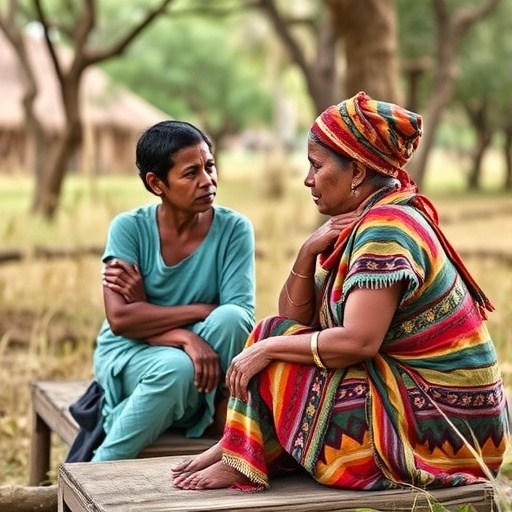
The COVID-19 pandemic has undeniably reshaped the landscape of public health, especially in rural, Indigenous, and isolated populations around the globe. As countries scrambled to respond to the rapidly evolving situation, varied experiences emerged, revealing crucial insights into the effectiveness and adaptability of healthcare systems in these underrepresented communities. A noteworthy study conducted by Henderson et al. in 2025 focuses on the invaluable lessons learned from pandemic responses in the United States and India, illuminating the stark contrasts and shared challenges faced by these populations.
Throughout the global crisis, rural and Indigenous communities have faced unique hurdles that urban populations often eluded. Geographic isolation, limited healthcare infrastructure, and cultural factors create a complex environment for intervention during health crises. This study’s qualitative approach allows for a nuanced understanding of how these factors played a pivotal role in shaping the responses to COVID-19 in both the United States and India, offering vital takeaways for public health officials and policymakers.
In the United States, rural areas were among the hardest hit by the pandemic. Health disparities, already prevalent prior to COVID-19, were exacerbated as hospitals reached capacity and resources dwindled. Many rural health systems lacked the necessary equipment, personnel, and funding to manage the surge in cases. The study highlights that these systemic vulnerabilities affected not only the immediate response to the pandemic but also long-term health outcomes in these communities.
Contrastingly, India, known for its diverse cultural fabric and large population, faced its own set of challenges amid the pandemic. In rural areas, the healthcare system is often under-resourced and struggles to deliver essential services. This study illustrates how traditional healthcare practices and local knowledge were pivotal in navigating the public health crisis. Community leaders and local health workers adapted their strategies, leveraging cultural practices to encourage adherence to health guidelines, showcasing resilience against a backdrop of fear and uncertainty.
The qualitative nature of the study allows for a rich exploration of personal narratives. Many participants discussed their feelings of isolation and vulnerability during the pandemic, elements that were compounded by socioeconomic stresses. These testimonies offer a sobering glimpse into the human experience of the pandemic, highlighting the necessity of emotional and psychological support as integral components of healthcare responses.
Both countries experienced challenges related to misinformation and distrust in health authorities, which complicated the dissemination of accurate information. The study notes how in many rural areas—whether in the U.S. or India—mistrust in governmental support coupled with the spread of false information led to widespread confusion. Engaging community leaders and utilizing local languages became essential strategies for clarifying public health messaging, underscoring the importance of culturally sensitive communication during crises.
Furthermore, the significance of technology emerged prominently as a double-edged sword. In some cases, telehealth services expanded access to care and were particularly beneficial for those in remote areas. In contrast, however, many rural communities experienced limited access to technology, further exacerbating inequalities. The study offers essential recommendations for integrating technology into healthcare networks while prioritizing inclusivity and equal access.
The research also highlights the collaborative efforts observed between various sectors during the pandemic. In both the U.S. and India, partnerships formed between public health officials, local governments, and community organizations bolstered response efforts. These collaborations not only facilitated resource sharing but also fostered trust within communities. By pooling knowledge and resources, these coalitions laid groundwork for a more resilient health response framework in future emergencies.
Interestingly, the study emphasizes the role of cultural competence in effective healthcare delivery during the pandemic. Communities that had pre-existing relationships with health providers were better positioned to respond to COVID-19. Trust and familiarity moderated the effectiveness of interventions, suggesting that a one-size-fits-all approach is ineffective; rather, solutions must be tailored to community contexts.
As the world reflects on the lessons learned from the COVID-19 pandemic, this study serves as a poignant reminder of the necessary shift towards an equity-based healthcare model. The experiences of rural and Indigenous populations should not be overlooked; instead, they should inform the reimagining of healthcare systems to ensure that they are robust and adaptive in the face of future health crises.
Insights from this study could catalyze discussions around policy reform. Investing in healthcare infrastructure in rural areas and prioritizing preventative care initiatives can bridge existing gaps in services. Additionally, fostering local leadership in health responses can cultivate a more responsive and culturally attuned approach to public health challenges.
As health crises are likely to remain a recurrent theme in an ever-globalizing world, the findings presented by Henderson et al. challenge us to think critically about preparedness and response frameworks. It is clear that both urban and rural health systems need to confront the precariousness of their foundations. Equipping healthcare frameworks with lessons learned from vulnerable populations could enhance resilience in confronting future pandemics or health emergencies.
The COVID-19 pandemic will inevitably be studied for decades to come, and its impact on rural, Indigenous, and isolated populations should be at the forefront of that discourse. Moving forward, it is essential that we harness not only the hardships faced but also the innovative strategies born of necessity to ensure that every community is prepared for the unpredictability of health crises yet to come.
In conclusion, the reflections and lessons elucidated in this qualitative study offer both warnings and pathways toward improvement for rural and Indigenous health systems. As we continue to navigate the complexities of public health in a post-pandemic world, the experiences from these communities must inform our strategies and policies, paving the way for a more equitable future in healthcare delivery.
Henderson, A., Namdul, T., Ferguson, G. et al. Lessons learned from responses to COVID-19 pandemic in rural, Indigenous, and isolated populations in the US and India: a qualitative study.
BMC Health Serv Res (2025). https://doi.org/10.1186/s12913-025-13719-0
Cite Scienmag News
Ophelia Keating. (December 12, 2025). COVID-19 Insights: Rural and Indigenous Populations’ Resilience. Scienmag. https://scienmag.com/covid-19-insights-rural-and-indigenous-populations-resilience/
Ophelia Keating. "COVID-19 Insights: Rural and Indigenous Populations’ Resilience." Scienmag, 12 December 2025, https://scienmag.com/covid-19-insights-rural-and-indigenous-populations-resilience/. Accessed 4 September 2026.
Ophelia Keating. "COVID-19 Insights: Rural and Indigenous Populations’ Resilience." Scienmag. December 12, 2025. https://scienmag.com/covid-19-insights-rural-and-indigenous-populations-resilience/


