


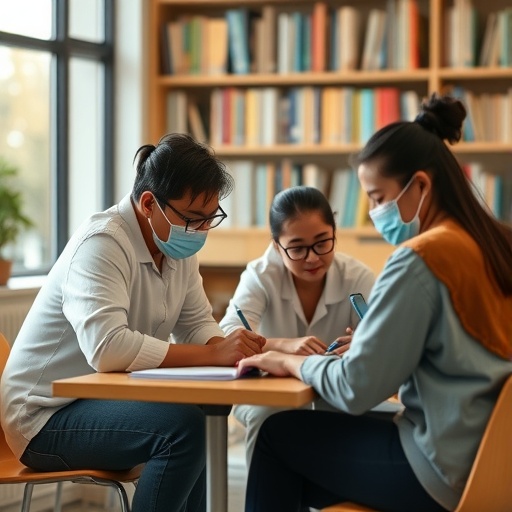
The Covid-19 pandemic has ushered in an unprecedented crisis across various sectors, with educational frameworks being notably impacted. In an environment where the traditional methods of students’ professional placements were disrupted, educational institutions were forced to reinvent their approaches to student supervision and placement preparation. The paper “Protecting Professional Selves Through Student-Centred Supervised Professional Practice Placement Preparation: Lessons from the Covid-19 Pandemic” authored by Haals Brosnan, N. Hayes, and M. Oke et al. delves into these critical shifts and their implications for professional practice within the educational field.
As we analyze the challenges faced during the pandemic, it becomes evident that the absence of face-to-face interactions was a significant hurdle. Students, typically engaged in hands-on learning experiences, found themselves isolated from the very environments designed to enhance their professional growth. This lack of interaction not only hampered students’ learning experiences but also jeopardized their confidence and sense of identity within their chosen professions. The authors illustrate how times of crisis demand adaptability and flexibility in educational models, particularly concerning placements that prepare students for real-world applications of their skills.
The paper highlights the significance of a student-centered approach during challenging times. Instead of a one-size-fits-all model, the authors argue for the importance of tailoring professional practice preparation to accommodate the varied needs of students. By placing the students’ experiences at the forefront, educators can foster resilience and promote coping mechanisms that are essential for navigating the complexities of the professional environment post-pandemic. This pivot towards student-centered learning could redefine how institutions view and implement professional placements.
Within this context, the authors discuss the adoption of innovative strategies to maintain student engagement and learning. Digital tools and remote learning platforms emerged as pivotal resources enabling institutions to simulate practical experiences even when physical placements were unfeasible. The strategic use of technology not only provided continuity in education but also equipped students with essential digital skills that are increasingly necessary in a tech-driven world. The shift towards digital mentorship and supervision also opened doors for interdisciplinary collaborations, enriching the learning experience further.
Moreover, the psychological toll of the pandemic on students cannot be overlooked. The authors underscore the importance of mental health support during professional preparation. It is within these landscapes of uncertainty and distress that educators must also nurture students’ emotional resilience. By integrating well-being initiatives alongside academic requirements, educational institutions can create holistic environments conducive to learning. Such measures not only enhance individual performance but also contribute to a healthier educational atmosphere overall.
Communication has been emphasized as another key element in navigating the terrain of student placements during the pandemic. The necessity of clear, open dialogue between students, educators, and placement providers became paramount to ensure that everyone was aligned in their expectations. The authors share that transparent communication channels allowed for more effective feedback, enabling educators to adapt the learning experience in real-time, depending on the evolving circumstances of the pandemic.
In their study, the authors also explore the evolving roles of educators within this new paradigm. As facilitators rather than mere content deliverers, educators are tasked with mentoring students through uncertainties while fostering independent learning. This transformative role aligns with current pedagogical theories that advocate for guidance rather than direct instruction. The educators must not only convey knowledge but also embody the values of flexibility, resilience, and adaptability, setting an example for students.
The importance of community building among students is another focal point in this research. The isolation imposed by the pandemic highlighted the necessity of robust support networks. Students benefited from collaborative learning opportunities that transcended classroom walls, facilitating the exchange of ideas, resources, and emotional support. The paper discusses how creating virtual communities can help in reducing feelings of isolation among students, thereby fostering a sense of belonging and enhancing their overall placement experience.
Furthermore, the authors emphasize that the lessons learned from the Covid-19 pandemic should inform future practices within professional placement frameworks. The integration of agility in processes, leveraging technology for enhanced learning, prioritizing student mental health, and fostering open communication are essential takeaways. Educational institutions must remain vigilant in adapting these lessons into their practices to prepare future generations for similar challenges that may arise.
In conclusion, the paper articulates a powerful narrative about resilience, innovation, and student agency. It advocates for a radical rethinking of professional practice placements in light of contemporary challenges faced during the pandemic. The emphasis on a student-centered methodology serves not only as a temporary remedy for current issues but as a foundational principle that could drive lasting change in how educational institutions approach professional preparation in a rapidly evolving world.
The authors, Haals Brosnan, N. Hayes, and M. Oke, continue to contribute to the discourse surrounding educational practices during fluctuating global scenarios, further shaping the understanding of professional placements in higher education.
Haals Brosnan, M., Hayes, N., Oke, M. et al. Protecting Professional Selves Through Student-Centred Supervised Professional Practice Placement Preparation: Lessons from the Covid-19 Pandemic. IJEC (2025). https://doi.org/10.1007/s13158-025-00465-x
Cite Scienmag News
Courtney Benton. (December 12, 2025). Navigating Student-Centered Practices Post-COVID-19 Insights. Scienmag. https://scienmag.com/navigating-student-centered-practices-post-covid-19-insights/
Courtney Benton. "Navigating Student-Centered Practices Post-COVID-19 Insights." Scienmag, 12 December 2025, https://scienmag.com/navigating-student-centered-practices-post-covid-19-insights/. Accessed 4 September 2026.
Courtney Benton. "Navigating Student-Centered Practices Post-COVID-19 Insights." Scienmag. December 12, 2025. https://scienmag.com/navigating-student-centered-practices-post-covid-19-insights/


