


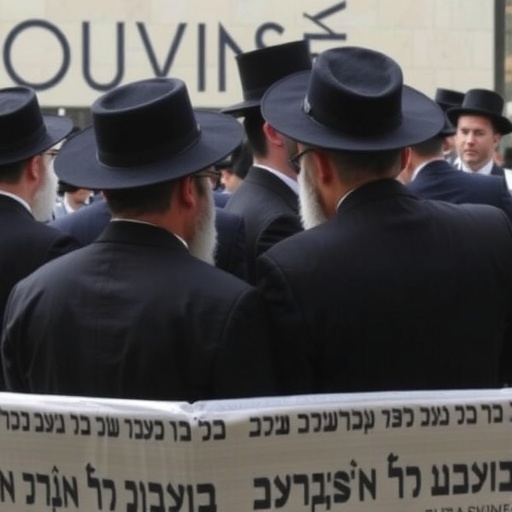
In an increasingly globalized world, where discussions surrounding gender and sexual identity are gaining momentum, the perspectives of different religious communities play a crucial role in shaping attitudes toward sexual minorities. Particularly within the context of Israel, a nation characterized by its mosaic of cultural, ethnic, and religious identities, the views held by ultra-Orthodox Jewish communities towards homosexuality provide a fascinating yet complex picture. Recent research led by scholars S. Zalcberg and S. Zalcberg-Block sheds light on these intricate dynamics and challenges prevalent stereotypes that paint ultra-Orthodox attitudes as monolithic and wholly negative.
The study, titled “Religious Minority Views on Sexual Minorities: Contemporary Ultra-Orthodox Perceptions Toward Homosexuality in Israel,” examines contemporary perspectives within the ultra-Orthodox community regarding LGBTQ+ individuals. Conducted through both qualitative interviews and quantitative surveys, the research seeks to map attitudes, beliefs, and the underlying factors that influence the perceptions of homosexuality among this religious group. By employing a multi-faceted approach, the authors aim to provide a more nuanced understanding of how traditional beliefs can coexist with varying degrees of acceptance towards sexual minorities.
One of the pivotal findings of the research indicates that ultra-Orthodox views on homosexuality are not inherently aligned with outright rejection. Instead, they reflect a spectrum of attitudes ranging from staunch opposition to varying degrees of acceptance. This nuanced perspective challenges the binary framework often used to discuss LGBTQ+ acceptance within religious communities. It suggests that factors such as personal relationships, exposure to diverse sexual identities, and modernizing influences can significantly affect individual opinions.
Additionally, the study highlights the influence of community leaders and educational frameworks in shaping the beliefs of congregants. Community rabbinical leaders often dictate the prevailing norms regarding sexuality, and their interpretations of religious texts play a key role in either reinforcing or challenging prejudice against sexual minorities. The research illustrates that some leaders adopt a more compassionate approach, emphasizing empathy over condemnation, thereby fostering a more inclusive environment for LGBTQ+ individuals within certain ultra-Orthodox circles.
Interestingly, the engagement of younger ultra-Orthodox adults with broader societal changes cannot be understated. As this demographic becomes increasingly exposed to diverse cultural influences, there appears to be a gradual shift in attitudes. Many young ultra-Orthodox individuals reported feeling conflicted between adhering to traditional religious values and developing personal relationships or friendships with LGBTQ+ people. This generational gap in perceptions is critical, as the younger population expresses a desire for understanding and inclusion even while celebrating their religious heritage.
The impact of media representation also plays a crucial role in shaping perceptions of homosexuality within the ultra-Orthodox sector. As LGBTQ+ visibility increases in mainstream media, the ultra-Orthodox community is faced with narratives that challenge entrenched beliefs. The study suggests that engaging with media products—be they films, documentaries, or literature—that present LGBTQ+ experiences can create opportunities for dialogue and introspection among ultra-Orthodox individuals.
Moreover, the research delves into the intersections of identity, highlighting how ultra-Orthodox gay men experience their sexuality within the confines of their religious environment. Interviews reveal the struggles faced by individuals caught between their sexual identity and adherence to religious doctrine, with many feeling isolated and marginalized. This aspect of the study emphasizes the psychological toll that societal and religious expectations can impose, as well as the desire for acceptance among peers and family.
Furthermore, the research addresses the role of support networks for LGBTQ+ individuals within ultra-Orthodox communities. The establishment of underground networks, hubs, and organizations advocating for LGBTQ+ rights among religious minorities marks a significant development. Such initiatives not only provide safe spaces for expression but also challenge the prevailing stigmas associated with homosexuality. The emergence of these support systems reflects a burgeoning effort within segments of the ultra-Orthodox population to redefine the narrative surrounding sexual orientation and inclusivity.
Another crucial aspect examined in the study is the legal and social framework governing LGBTQ+ rights in Israel. Despite significant advancements in LGBTQ+ rights over the past few decades, the ultra-Orthodox community remains a distinct social entity with unique perceptions and practices. Drawing upon both historical and contemporary contexts, the authors analyze how national policies affect local attitudes and experiences of LGBTQ+ individuals within ultra-Orthodox settings.
As the study gains traction, it opens the floor for broader discussions regarding the implications of these findings on public policy and community engagement. Policymakers are encouraged to consider the staggering complexities of community dynamics, recognizing the potential for progressive change when dialogue is fostered between religious leaders, LGBTQ+ advocates, and affected individuals. Implementing educational programs aimed at raising awareness about sexual minorities within religious institutions may catalyze a cultural shift towards inclusivity and understanding.
In summary, Zalcberg and Zalcberg-Block’s research significantly contributes to existing literature by providing an in-depth analysis of ultra-Orthodox attitudes toward homosexuality, moving beyond binary conceptions of acceptance and rejection. Their work illuminates the complexities of individual beliefs shaped by personal experiences and social influences. As the relationship between ultra-Orthodox Judaism and LGBTQ+ individuals continues to evolve, the findings of this study may serve as a pivotal reference point for understanding the ongoing discourse in this sensitive yet essential area of study.
The exploration of these factors not only advances our understanding of ultra-Orthodox perspectives but also amplifies the voices of those often relegated to the margins. By fostering open discussion around these themes, we may move closer to achieving a society that embraces diversity and champions the rights of all individuals, regardless of their sexual identity. The journey toward acceptance and understanding is ongoing, yet research like this paves the way for a more inclusive future where everyone can coexist harmoniously, striving to transcend the boundaries of tradition and belief.
Zalcberg, S., Zalcberg-Block, S. Religious Minority Views on Sexual Minorities: Contemporary Ultra-Orthodox Perceptions Toward Homosexuality in Israel.
Arch Sex Behav (2025). https://doi.org/10.1007/s10508-025-03316-x
Cite Scienmag News
Courtney Benton. (December 12, 2025). Ultra-Orthodox Perspectives on Homosexuality in Israel. Scienmag. https://scienmag.com/ultra-orthodox-perspectives-on-homosexuality-in-israel-2/
Courtney Benton. "Ultra-Orthodox Perspectives on Homosexuality in Israel." Scienmag, 12 December 2025, https://scienmag.com/ultra-orthodox-perspectives-on-homosexuality-in-israel-2/. Accessed 5 September 2026.
Courtney Benton. "Ultra-Orthodox Perspectives on Homosexuality in Israel." Scienmag. December 12, 2025. https://scienmag.com/ultra-orthodox-perspectives-on-homosexuality-in-israel-2/


