


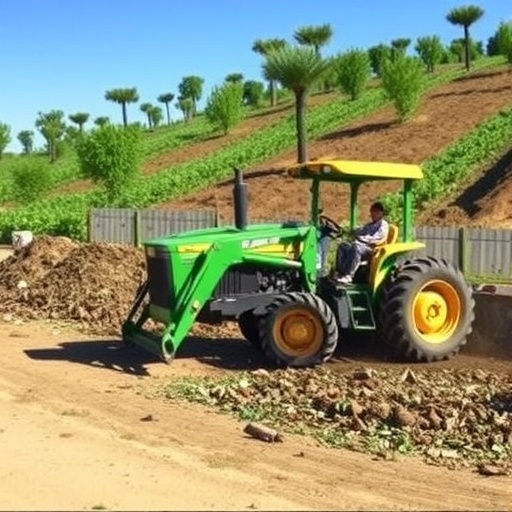
The practice of growing food in proximity to waste disposal sites has generated considerable debate in recent years. As urban centers expand, the availability of land for agriculture diminishes, and some have proposed that utilizing land near dumpsites could offer a solution to food insecurity. However, this method is fraught with challenges, particularly concerning the nutritional quality of crops and the possible contamination from pollutants. In this comprehensive exploration, we delve into the intricate balance of benefits and drawbacks associated with the cultivation of edible crops at dumpsite locations.
Central to the argument for growing food near waste sites is the burgeoning demand for urban agriculture. As populations swell in cities worldwide, the quest for sustainable food sources intensifies. Advocates for this practice cite the potential for increased yield using land that might otherwise remain underutilized. This approach appears particularly attractive in developing countries where arable land is scarce and food insecurity is a pressing issue. However, this optimistic viewpoint must be tempered with an understanding of the environmental ramifications of cultivating food in contaminated soil.
A significant concern is the quality of the crops produced in such locations. The nutrient profile of plants grown in proximity to landfill sites can be adversely affected by the absorptions of heavy metals and other harmful pollutants. Crops like vegetables, which are staples in many diets, are particularly vulnerable to these contaminants. Research indicates that the sorption of heavy metals such as lead, cadmium, and arsenic can drastically alter the nutritional quality of these foods, potentially rendering them dangerous for consumption. The risk of foodborne illness associated with the consumption of contaminated produce cannot be overstated, and this presents a major public health concern.
Moreover, the soil at dumpsites may harbor pathogenic microorganisms due to the decomposition of organic waste. These pathogens pose an additional layer of risk, as their presence can lead to foodborne outbreaks among populations that consume produce grown in these environments. Even with proper sanitation and agricultural practices, the risk remains significant. Introducing crops to these environments without ensuring appropriate measures to counteract contamination is a foundational flaw in the argument for dumpsite cultivation.
The environmental impact of utilizing land near waste sites extends beyond the immediate concerns regarding food safety and nutritional quality. Intensive agricultural practices often lead to soil degradation, which can exacerbate existing environmental issues associated with landfills. The use of synthetic fertilizers and pesticides to enhance crop yield may further leach pollutants into the surrounding area. Consequently, the cultivation of food near dumpsites may inadvertently contribute to worsening the very ecological challenges it seeks to alleviate.
Economically, while the proposal to grow food near dumpsites may provide short-term financial benefits for urban farmers, the broader implications could signify a downward spiral. As contamination levels rise, the cost of soil remediation and health care expenses linked to foodborne illnesses can outweigh any immediate gains. This cycle can detour an entire community into a dependency on economically unsound practices that compromise both public health and environmental integrity.
An alternative approach could involve the development of community education programs aimed at promoting awareness about the risks associated with consuming food from contaminated sources. Empowering consumers with knowledge allows for informed choices, guiding them toward safer food sources. Alongside educational efforts, implementing more stringent regulations regarding what can be grown near waste sites could foster safer agricultural practices, potentially salvaging the idea of urban agriculture without compromising health outcomes.
Growing food in proximity to dumpsites presents a multifaceted dilemma, requiring a delicate balance between necessity and safety. Urban agriculture is essential in addressing food insecurity, yet the risks associated with contaminants cannot be ignored. As the discussion continues, thorough research is imperative to understand better the long-term consequences of this practice. Only through a comprehensive assessment can policymakers make informed decisions that prioritize both food safety and environmental health.
Furthermore, innovations in technology and biology may offer potential solutions. For instance, bioremediation strategies employing specific plant species capable of absorbing heavy metals could turn contaminated soils into safe agricultural land, mitigating some risks associated with conventional practices. However, these technologies require rigorous research and extensive testing before they are adopted at scale.
One cannot overlook the potential for organic amendments to improve soil quality. Utilizing organic compost can sometimes aid in nutrient cycling and enhance microbial activity beneficial for crop production. Nevertheless, without careful consideration of the source materials used in compost, this practice can also lead to enhanced pollutant levels, making comprehensive testing crucial before implementation.
Ultimately, the dialogue surrounding dumpsite food production presents both challenges and opportunities. As the global population continues to increase, ensuring access to healthy, nutritious food while safeguarding environmental and public health becomes paramount. As researchers like Awino point out, weighing the pros and cons of such agricultural methods is critical to understanding their feasibility and sustainability in the long run.
The conversation highlights a vital truth: the choices we make in agricultural practices hold profound implications—not only for our health but also for the environment. As these discussions evolve, stakeholder engagement, including policymakers, agricultural scientists, and community members, becomes increasingly necessary. Only through collaborative efforts can viable solutions to urban food insecurity emerge, ensuring that food production aligns with health and safety for all.
In summary, while the idea of cultivating food in urban areas near waste sites may initially seem practical, the potential hazards associated with nutrients and pollutants in edible crops reveal a deeper complexity that cannot be ignored. Future endeavors in urban agriculture should prioritize research into the safety and sustainability of these practices, ensuring that society moves toward healthier food systems while safeguarding public health.
Awino, F.B. Weighing the pros and cons of dumpsite food production: nutrients and pollutants in edible crops.
Environ Monit Assess 198, 34 (2026). https://doi.org/10.1007/s10661-025-14809-6
Cite Scienmag News
Alan Morgan. (December 12, 2025). Assessing Nutrients and Pollutants in Dumpsite Agriculture. Scienmag. https://scienmag.com/assessing-nutrients-and-pollutants-in-dumpsite-agriculture/
Alan Morgan. "Assessing Nutrients and Pollutants in Dumpsite Agriculture." Scienmag, 12 December 2025, https://scienmag.com/assessing-nutrients-and-pollutants-in-dumpsite-agriculture/. Accessed 3 September 2026.
Alan Morgan. "Assessing Nutrients and Pollutants in Dumpsite Agriculture." Scienmag. December 12, 2025. https://scienmag.com/assessing-nutrients-and-pollutants-in-dumpsite-agriculture/


