


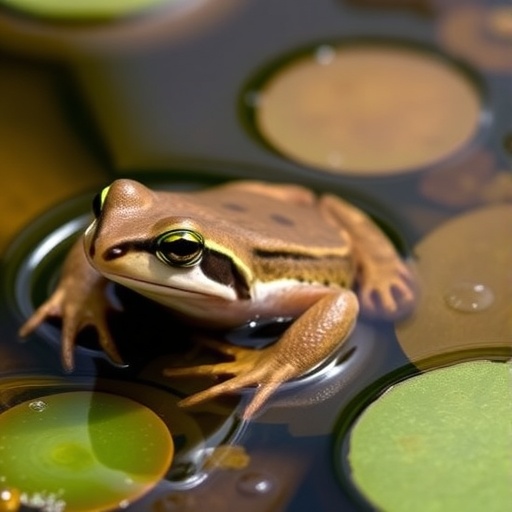
In a groundbreaking study, researchers from Argentina have unveiled alarming evidence linking groundwater contaminated for human consumption to significant histological and molecular alterations in the thyroid glands of Xenopus laevis, a model organism in developmental biology. This research, led by Modarelli, Bilbao, and Ponzo, exposes the risks posed by polluted groundwater and its potential implications not only for amphibian development but also for human health, as these organisms provide vital insights into endocrinological processes that govern growth and development.
Thyroid hormones are critical players in regulating the morphogenesis of various organisms, including amphibians. The thyroid gland’s function in amphibians is analogous to its role in humans and other mammals, where it regulates metabolism, growth, and development through the release of hormones such as thyroxine (T4) and triiodothyronine (T3). The contamination of groundwater with various pollutants has raised serious concerns as these compounds can interfere with hormonal signaling pathways. Pollution from agricultural runoff, industrial effluents, and domestic waste often contains endocrine-disrupting chemicals; the current study sheds light on how these contaminants can lead to developmental anomalies.
Xenopus laevis is an ideal model for such studies due to its well-characterized development and sensitivity to environmental changes. The study investigated the histological changes within the thyroid gland of these amphibians exposed to contaminated groundwater, providing a direct correlation between pollution and potential thyroid dysfunction. The results indicated notable alterations in the thyroid architecture, including changes in follicle size and cellular organization, suggesting that these pollutants adversely affect thyroid function, potentially resulting in impaired growth and aberrant morphogenesis.
In addition to histological evaluations, the researchers employed molecular techniques to elucidate the underlying mechanisms influenced by contaminated groundwater. They observed the expression of key genes involved in thyroid hormone synthesis and signaling pathways and reported significant alterations in gene expression levels. The disrupted expression of these genes could lead to decreased production of thyroid hormones, further compounding the negative effects on development. This molecular disruption reveals how pivotal thyroid regulation is and highlights the complexities of how environmental pollutants can interfere with natural biological processes.
The team’s findings raise critical questions regarding the quality of water consumed by humans and its broader implications for public health. As agricultural practices and industrial activities continue to expand, the potential for groundwater contamination remains a pressing issue worldwide. Given that thyroid dysfunction is linked to various health problems, including developmental delays and metabolic disorders, understanding the pathways of disruption is crucial in devising strategies to mitigate these risks. Furthermore, this study emphasizes the need for rigorous monitoring of environmental contaminants to protect both wildlife and human populations.
Moreover, various chemicals, including heavy metals, pesticides, and pharmaceuticals, have been previously recognized as endocrine disruptors. The pervasive nature of these contaminants in water systems emphasizes an urgent requirement for regulatory frameworks aimed at controlling their release. The study serves as a call to action, urging governing bodies to enforce stricter regulations on pollutant emissions and promote sustainable agricultural practices that do not compromise water quality.
The implications extend beyond the ecological impacts of contamination. The health of amphibians like Xenopus laevis can be indicative of broader environmental issues that affect entire ecosystems. As these organisms serve as bioindicators, changes in their health and developmental patterns may predict potential health crises within human populations also exposed to similar pollutants. This research underscores the interconnectedness of environmental health and human health, advocating for interdisciplinary approaches to address these challenges.
Furthermore, the consequences of thyroid disruption are not limited to morphogenesis alone; they can manifest in impaired cognitive functions and reproductive issues within broader wildlife populations. The unfolding narrative emphasizes the significance of thyroid health across species and the consequences pollution poses to biodiversity as a whole. Therefore, it’s vital for environmental scientists, policymakers, and the public to work collaboratively in addressing these enduring issues.
In conclusion, the study led by Modarelli and colleagues showcases the intricate relationship between environmental pollutants and endocrine function, exemplified through Xenopus laevis. The findings signal a critical need for continued research into the multifaceted impacts of groundwater contamination. It serves to reinforce the message that our natural resources are precious and need to be effectively managed. As detailed in this study, the implications of neglecting our environmental stewardship extend far beyond ecological degradation; they encompass the very essence of our collective health and well-being.
This research not only strengthens the linkage between environmental science and public health but also advocates for an urgent reassessment of water management policies. By raising awareness about these significant issues, it is hoped that collective action will lead to enhanced protection of vital ecosystems for future generations. Through interdisciplinary collaboration and comprehensive approaches, researchers can help illuminate pathways toward healthier, more sustainable interactions between humans and their environments.
Cite Scienmag News
Violet Maxwell. (December 12, 2025). Groundwater Contaminants Alter Frog Development and Thyroid Health. Scienmag. https://scienmag.com/groundwater-contaminants-alter-frog-development-and-thyroid-health/
Violet Maxwell. "Groundwater Contaminants Alter Frog Development and Thyroid Health." Scienmag, 12 December 2025, https://scienmag.com/groundwater-contaminants-alter-frog-development-and-thyroid-health/. Accessed 4 September 2026.
Violet Maxwell. "Groundwater Contaminants Alter Frog Development and Thyroid Health." Scienmag. December 12, 2025. https://scienmag.com/groundwater-contaminants-alter-frog-development-and-thyroid-health/


