


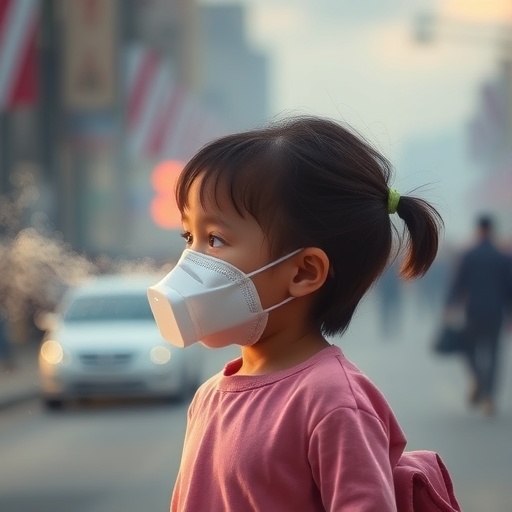
In recent years, the impact of air pollution on respiratory health has garnered increasing scientific attention, particularly concerning vulnerable populations such as children and adolescents. A groundbreaking study published in Pediatric Research on December 4, 2025, by Tsai et al. delves deeply into the longitudinal effects of fine particulate matter (PM2.5) exposure on asthmatic adolescents. Through a comprehensive investigation into the interplay between air quality, oxidative stress, and lung development, this research sheds new light on the mechanisms that exacerbate asthma symptoms and hinder pulmonary function growth during critical developmental periods.
PM2.5 represents particulate matter with a diameter of less than 2.5 micrometers, small enough to penetrate deeply into the respiratory tract and even enter the bloodstream. This diminutive size makes PM2.5 a particularly insidious pollutant, capable of triggering widespread inflammatory responses and oxidative stress in the respiratory system. The study by Tsai and colleagues meticulously tracks annual exposure levels of PM2.5 in a cohort of school-aged children diagnosed with asthma, correlating these environmental measurements with clinical evaluations of respiratory health over multiple years.
One of the most striking findings from the research is the demonstrable link between chronic PM2.5 exposure and the aggravation of asthmatic symptoms. Specifically, children experiencing higher levels of PM2.5 pollution reported increased frequency and severity of wheezing, coughing, and shortness of breath. This observation underscores how sustained environmental stressors can magnify the clinical burden of asthma, a disease characterized by airway hyperresponsiveness and episodic obstruction.
Moreover, the study explores the nuanced role of oxidative stress as a mechanistic pathway through which PM2.5 exerts its deleterious effects. Oxidative stress refers to an imbalance between reactive oxygen species (ROS) production and antioxidant defenses within cells, leading to tissue damage and inflammation. Analysis of biomarkers indicative of oxidative stress revealed a strong positive correlation with PM2.5 exposure, suggesting that these fine particles trigger excessive ROS formation in the respiratory epithelia. This biochemical imbalance likely contributes to airway remodeling and exacerbated asthma pathophysiology.
Importantly, the longitudinal design allowed the investigators to assess the impact of PM2.5 not only on symptomatology but also on lung function growth trajectories. Adolescence is a pivotal period for pulmonary development; any disruption in normal lung growth may have lifelong consequences. Tracking inspired volumes and flow rates via spirometry demonstrated a statistically significant attenuation of lung function growth among children with higher PM2.5 exposures, emphasizing that the pollutant impedes optimal respiratory system maturation during these formative years.
Airway inflammation, a hallmark of asthma, was also scrutinized in this study. Using advanced biomarkers from induced sputum samples, the researchers quantified inflammatory cell profiles and mediator concentrations. The data illustrated that children under chronic PM2.5 assault experienced elevated airway eosinophilia and pro-inflammatory cytokine levels, which corroborates the hypothesis that environmental particulates potentiate persistent airway inflammation. This persistent inflammatory milieu may underlie the sustained worsening of asthma control observed clinically.
The implications of these findings extend beyond individual health, touching upon public health policies and urban planning. With rising levels of urban air pollution in many regions globally, understanding the cumulative burden of PM2.5 on vulnerable pediatric populations is critical. The authors advocate for stringent air quality regulations and the development of protective interventions to minimize exposure, especially in metropolitan areas where children spend significant amounts of time outdoors.
Technologically, this study leveraged state-of-the-art environmental monitoring combined with cutting-edge biochemical analyses to elucidate complex exposure-response relationships. By integrating environmental data with molecular assays, Tsai et al. have set a precedent for multifaceted research approaches that can unravel the layered interactions between pollutants and human health. This methodology serves as a model for future studies aiming to decipher the biological underpinnings of pollution-related disease exacerbations.
Furthermore, the findings highlight the necessity for clinicians managing pediatric asthma to consider environmental factors in treatment planning. Incorporating environmental exposure assessments into routine clinical evaluations could enable more personalized medicine approaches. Tailored interventions, such as antioxidant therapies or recommendations for exposure reduction, might mitigate the harmful impacts on lung function and symptom control evidenced by this research.
Community awareness and education also emerge as pivotal components in the response to these revelations. Informing families about the dangers posed by ambient PM2.5 pollution and practical mitigation strategies—like air purifiers, avoidance of high-traffic areas during peak pollution periods, and enhanced indoor air quality—can empower at-risk populations to take proactive measures. Public health campaigns ought to emphasize these protective behaviors alongside broader environmental reforms.
In a broader scientific context, this study contributes significantly to the growing compendium of evidence linking air pollution to chronic respiratory conditions. It dovetails with research on adult asthma, chronic obstructive pulmonary disease (COPD), and other non-communicable diseases impacted by environmental factors. The elucidation of oxidative stress pathways reinforces the conceptual framework that integrates cellular damage, inflammation, and impaired organ system function in pollution-related morbidity.
The investigation by Tsai and co-authors also raises pertinent questions about the intersection of genetic predispositions, pollutant exposure, and disease progression. Future studies might probe gene-environment interactions to identify subpopulations of children who are particularly susceptible due to their genetic makeup. Such insights could refine risk stratification models and ultimately guide precision prevention strategies targeting the most vulnerable.
Additionally, the longitudinal nature of the cohort underscores the importance of long-term monitoring to capture the full scope of health impacts arising from environmental insults. Cross-sectional studies, while useful, often miss the cumulative and developmental nuances revealed here. Continued surveillance into adolescence and beyond will be vital to understanding how early-life exposures influence respiratory health trajectories into adulthood.
Overall, this landmark study elucidates a crucial public health challenge at the nexus of environmental science, pediatrics, and pulmonology. The detailed characterization of PM2.5’s detrimental effects on asthmatic adolescents’ symptoms, oxidative stress levels, lung growth, and airway inflammation reinforces the urgent need for coordinated action. Collaborative efforts among scientists, healthcare providers, policymakers, and communities are essential to combatting this silent threat and safeguarding future generations.
By elevating awareness and scientific understanding of how fine particulate pollution undermines respiratory health during critical developmental windows, Tsai et al. have provided an impetus for transformative change. Their work not only enriches the scientific literature but also galvanizes global commitment toward cleaner air and healthier lungs for children everywhere. The lessons borne from this research affirm the profound interconnectedness of environment and human health.
As climate change and urbanization accelerate worldwide, the relevance and urgency of this research grow correspondingly. Proactive and informed interventions to reduce PM2.5 emissions will be paramount to reducing asthma-related morbidity and preserving lung function growth in vulnerable youth. The scientific advancements and public health imperatives outlined in this study align to form a compelling blueprint for action in the coming decades.
Cite Scienmag News
Russell Cooper. (December 12, 2025). PM2.5 Exposure, Oxidative Stress Impact Asthmatic Kids. Scienmag. https://scienmag.com/pm2-5-exposure-oxidative-stress-impact-asthmatic-kids/
Russell Cooper. "PM2.5 Exposure, Oxidative Stress Impact Asthmatic Kids." Scienmag, 12 December 2025, https://scienmag.com/pm2-5-exposure-oxidative-stress-impact-asthmatic-kids/. Accessed 4 September 2026.
Russell Cooper. "PM2.5 Exposure, Oxidative Stress Impact Asthmatic Kids." Scienmag. December 12, 2025. https://scienmag.com/pm2-5-exposure-oxidative-stress-impact-asthmatic-kids/


