


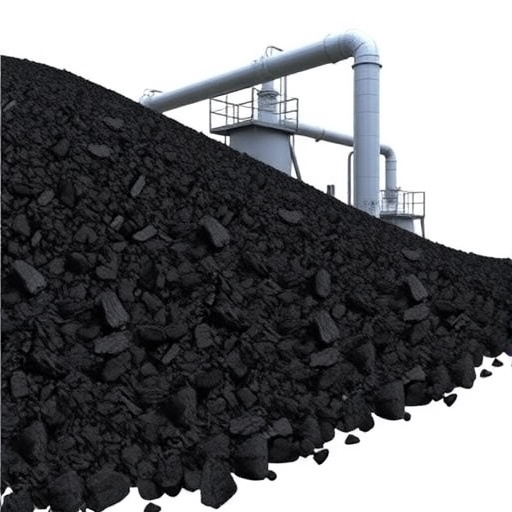
In a groundbreaking study, researchers have developed an innovative thermal co-processing technique that merges coal and sludge to yield critical resources including syngas, ammonia (NH₃), and sulfuric acid (H₂SO₄). This research, published in “Environmental Science and Pollution Research,” presents a robust solution to some of the pressing energy and environmental challenges faced globally today. The study underscores the potential of integrating waste materials with fossil fuels to improve efficiency and sustainability in resource extraction.
The motivation for this research lies in the dual crises of waste management and energy production. As industries generate vast amounts of organic sludge, often deemed undesirable waste, the need for efficient reuse and conversion methods becomes ever more pressing. Simultaneously, the demand for cleaner energy sources continues to rise as nations strive to meet emission reduction targets. By harnessing the thermal co-processing of coal and sludge, the researchers aim to address both challenges—transforming waste into valuable raw materials while enhancing energy output.
The process begins with the thermal treatment of combined coal and sludge, employing high temperatures to facilitate the breakdown of complex organic materials. This pyrolytic environment promotes the conversion of these materials into syngas, a clean-burning fuel composed mainly of hydrogen (H₂) and carbon monoxide (CO). One of the pivotal discoveries of this study is the optimization of reaction conditions to enhance syngas yield, maximizing the efficiency of the thermal co-processing method.
Ammonia production is another significant advantage presented by this optimization. Syngas serves as a foundational feedstock for ammonia synthesis, which is a critical precursor for fertilizers. The ability to generate ammonia from this process not only contributes to food security but also advances sustainable agricultural practices. By creating a more circular economic model, the research aims to mitigate the environmental impact of traditional ammonia production methods, which are often energy-intensive and carbon-heavy.
Simultaneously, the co-processing method allows for the generation of sulfuric acid, a chemical that plays a vital role in various industrial processes. Sulfuric acid is essential in processes ranging from metal production to battery manufacturing and even fertilization methods. The research indicates that the integration of sludge-derived sulfur sources within the reaction can enhance the overall value of the thermal process, essentially converting what would have been waste into a marketable commodity.
Furthermore, the study reveals that incorporating straw hydrolysis into the process can further enhance its efficiency. Straw, often considered agricultural waste, is rich in cellulose that can be hydrolyzed to release sugars and other compounds. By combining this hydrolysis with thermal co-processing, the researchers discovered a synergistic effect that maximizes resource extraction while reducing greenhouse gas emissions. This innovation supports the notions of waste valorization and integrated biorefinery concepts in modern waste management practices.
The optimization parameters explored in this research include temperature, reaction time, and the ratios of coal to sludge and straw. The study provides a thorough analysis of how these variables interact to influence the overall yield of syngas, ammonia, and sulfuric acid. The researchers emphasize the significance of establishing a fine balance among these factors to attain optimal outcomes, a critical consideration for scaling the technology for industrial applications.
In light of the increasing global interest in carbon neutrality, the potential applications of thermal co-processing extend beyond waste management. The production of syngas, ammonia, and sulfuric acid through this method presents a path toward energy independence. Utilizing local waste materials can significantly reduce reliance on imported fossil fuels and decrease the carbon footprint associated with energy production and chemical manufacturing.
The results of this research could lead to a substantial transformation in the way energy is produced and waste is managed worldwide. By effectively converting waste into energy and valuable chemicals, industries might shift towards more resilient and sustainable practices. This holistic approach not only addresses immediate needs but also contributes to long-term environmental sustainability by minimizing landfill contributions and reducing greenhouse gas emissions.
The power of collaborative research is highlighted in this innovative study, as it brings together experts from various fields including environmental science, chemical engineering, and waste management. By pooling their expertise, the research team was able to tackle complex challenges that may have seemed insurmountable when approached within isolated domains. This interdisciplinary collaboration serves as a model for future research initiatives aimed at creating innovative solutions to global challenges.
In conclusion, the optimization of thermal co-processing of coal with organic sludges not only signifies a significant advancement in efficient resource production but also embodies a proactive response toward comprehensive waste management. The promising outcomes concerning syngas, ammonia, and sulfuric acid production elucidate the potential of transforming waste into valuable materials, thus paving the way for a more sustainable and efficient future. This study will undoubtedly inspire further research and development in the field, encouraging the exploration of additional materials and processes that can advance sustainability goals while ensuring energy security.
As industries increasingly adopt this innovative methodology, the research holds the potential to redefine not only individual operations but also broader economic paradigms associated with waste and energy. By prioritizing sustainability through optimized resource utilization, we may witness a significant shift toward a circular economy that values both productivity and environmental stewardship.
This groundbreaking work heralds a new era of resource optimization that is crucial for tackling today’s environmental concerns while addressing the growing global demand for energy and essential chemicals. As the world grapples with both waste and energy challenges, studies like this underscore the necessity of innovative and integrative approaches to foster sustainability across sectors.
Cite Scienmag News
Violet Maxwell. (December 11, 2025). Optimizing Coal-Sludge Co-Processing for Energy and Chemicals. Scienmag. https://scienmag.com/optimizing-coal-sludge-co-processing-for-energy-and-chemicals/
Violet Maxwell. "Optimizing Coal-Sludge Co-Processing for Energy and Chemicals." Scienmag, 11 December 2025, https://scienmag.com/optimizing-coal-sludge-co-processing-for-energy-and-chemicals/. Accessed 3 September 2026.
Violet Maxwell. "Optimizing Coal-Sludge Co-Processing for Energy and Chemicals." Scienmag. December 11, 2025. https://scienmag.com/optimizing-coal-sludge-co-processing-for-energy-and-chemicals/


