


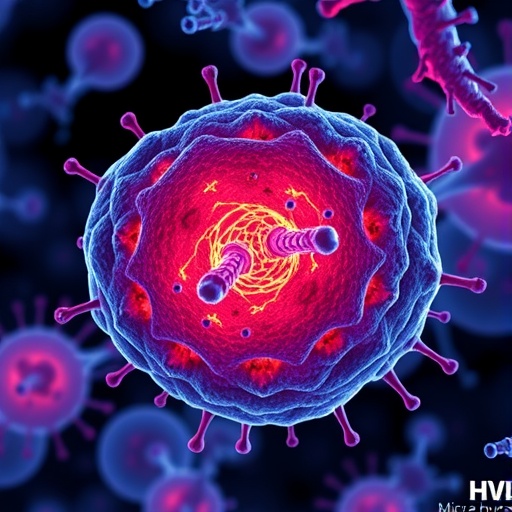
In the cutting-edge landscape of oncology, the neoadjuvant treatment paradigm continues to evolve dramatically, largely driven by a burgeoning understanding of the tumor microenvironment (TME). Recent advances elucidated in the seminal work by K. Altundag, published in Medical Oncology, underscore the transformative potential of integrating intricate TME insights into neoadjuvant strategies. This integration heralds a new era aimed at not only improving clinical outcomes but also personalizing therapeutic interventions with greater precision and efficacy.
The tumor microenvironment is a complex, dynamic cellular ecosystem comprising cancer cells, stromal cells, immune infiltrates, extracellular matrix components, and signaling molecules. This milieu profoundly influences tumor biology, modulating proliferation, invasion, and response to therapy. Altundag emphasizes that the neoadjuvant setting, wherein systemic therapy is administered prior to surgical resection, presents a unique opportunity to leverage TME characteristics in real-time. This approach could optimize therapeutic regimens by tailoring drug selection and timing according to TME status, thereby potentially enhancing tumor downstaging and minimizing systemic toxicity.
Central to this integration is a nuanced understanding of immune contexture within the TME. Tumor-infiltrating lymphocytes, macrophages, dendritic cells, and immunosuppressive populations such as regulatory T cells and myeloid-derived suppressor cells contribute distinctly to therapy responsiveness. Altundag points out that quantifying and characterizing these immune cell subsets through advanced multiplex immunohistochemistry and single-cell RNA sequencing can inform neoadjuvant protocols. For instance, tumors with a “hot” immune phenotype, enriched in cytotoxic T cells, may benefit from combinatory checkpoint inhibitors administered preoperatively, in contrast to “cold” tumors that might require strategies aimed at immune priming.
Moreover, the architecture and composition of the extracellular matrix (ECM) emerge as critical modulators of drug delivery and resistance. Denser stroma can hinder the penetration of chemotherapeutic agents and immunotherapies alike. Altundag’s analysis highlights that ECM remodeling enzymes, such as matrix metalloproteinases, are not mere bystanders but active participants dictating the success of neoadjuvant interventions. Targeting these enzymes or utilizing ECM-modifying agents could facilitate deeper drug infiltration and improve cytotoxic efficacy before surgery.
Hypoxia within the TME also plays a nontrivial role in dictating treatment outcomes. Oxygen-deprived tumor zones not only promote genetic instability and aggressive phenotypes but also induce resistance to radiation and certain chemotherapies. Integrating hypoxia markers into pre-treatment assessments permits the customization of neoadjuvant approaches, for example, employing hypoxia-activated prodrugs or enhancing oxygenation through adjunctive therapies. Altundag’s work thoroughly reviews these strategies, underscoring their promise in overcoming hypoxia-driven resistance.
Another pivotal aspect is the metabolic interplay within the TME. Tumor and stromal cells undergo metabolic reprogramming, resulting in altered nutrient consumption and metabolite secretion that can affect immune function and therapeutic sensitivity. For instance, lactate buildup creates an acidic milieu suppressing T-cell activity. Altundag suggests that metabolic profiling could reveal vulnerabilities to be exploited in neoadjuvant settings, such as combining metabolic inhibitors with conventional therapies to bolster immune-mediated tumor eradication.
The integration of liquid biopsy techniques further amplifies the potential of TME-guided neoadjuvant strategies. Detecting circulating tumor DNA (ctDNA), exosomes, and immune cell profiles in peripheral blood offers minimally invasive windows into the evolving tumor ecosystem during treatment. This real-time monitoring could facilitate adaptive therapy modifications, maximizing efficacy while mitigating adverse effects. Altundag’s synthesis of recent clinical trials conveys how dynamic TME biomarkers gleaned from liquid biopsies are reshaping personalized neoadjuvant regimens.
Importantly, the paper delves into the implications for tumor heterogeneity, another formidable challenge in oncology. Spatial and temporal heterogeneity within the TME can lead to mixed therapeutic responses, underscoring the need for multiparametric profiling and multi-regional sampling. Altundag argues that harnessing cutting-edge imaging modalities alongside molecular analyses is paramount in constructing comprehensive TME maps that inform neoadjuvant strategy refinement.
The review also contemplates the synergy between neoadjuvant chemotherapy, radiotherapy, and emerging immunotherapy modalities. The TME not only mediates resistance mechanisms but can also be reshaped by these therapies to foster antitumor immunity or conversely induce immunosuppression and fibrosis. Altundag discusses how strategic sequencing and combination of these treatments, aligned with TME characteristics, could amplify therapeutic benefits while curbing deleterious effects.
On a translational level, the work illuminates the critical role of preclinical models that recapitulate the complexity of the human TME, such as patient-derived xenografts and organoids co-cultured with immune components. Such models are indispensable for testing neoadjuvant regimens designed based on TME insights before clinical implementation. Altundag points to recent successes in this arena, bolstering the argument for a systematic integration of TME-focused preclinical studies in drug development pipelines.
This confluence of biological understanding and clinical innovation also brings to the fore challenges regarding biomarker standardization, reproducibility, and data interpretation across diverse patient populations and tumor types. The article calls for concerted efforts in multidisciplinary collaborations, harmonizing data collection and analysis protocols to translate TME research into practice reliably. Investments in bioinformatics and machine learning further enhance the ability to decode complex TME datasets and generate actionable clinical insights.
Ethical considerations emerge as well, particularly concerning patient stratification and access to potentially transformative neoadjuvant therapies guided by TME profiling. Ensuring equitable healthcare delivery and avoiding overtreatment or undertreatment based on emerging biomarkers remain crucial as these personalized strategies gain traction. Altundag advocates for robust clinical trials with diverse cohorts to validate safety and efficacy before widespread adoption.
Looking ahead, the integration of TME-focused diagnostics and therapeutics into neoadjuvant protocols represents a paradigm shift with potential reverberations across oncology practice. The vision articulated in this comprehensive review underscores a future where tumor biology and microenvironmental context are no longer silent determinants of treatment outcomes but active guides shaping individualized care pathways.
In conclusion, this landmark analysis by K. Altundag galvanizes attention around the intricate crosstalk within the tumor microenvironment and its pivotal role in modulating neoadjuvant treatment response. By weaving together molecular, cellular, and clinical insights, the article lays a robust foundation for a new generation of precision oncology approaches aimed at harnessing the full therapeutic potential of neoadjuvant therapy. As ongoing research continues to unravel TME complexity, integrating these insights promises to elevate patient outcomes and redefine cancer care’s frontline.
Cite Scienmag News
Nathaniel Bowman. (December 11, 2025). Harnessing Tumor Microenvironment for Neoadjuvant Strategies. Scienmag. https://scienmag.com/harnessing-tumor-microenvironment-for-neoadjuvant-strategies/
Nathaniel Bowman. "Harnessing Tumor Microenvironment for Neoadjuvant Strategies." Scienmag, 11 December 2025, https://scienmag.com/harnessing-tumor-microenvironment-for-neoadjuvant-strategies/. Accessed 4 September 2026.
Nathaniel Bowman. "Harnessing Tumor Microenvironment for Neoadjuvant Strategies." Scienmag. December 11, 2025. https://scienmag.com/harnessing-tumor-microenvironment-for-neoadjuvant-strategies/


