


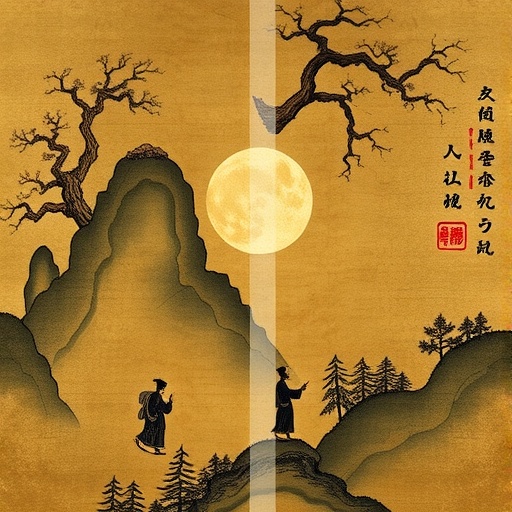
Ancient Chinese ethnic writings have long been a subject of intrigue for historians, anthropologists, and linguists alike. A recent groundbreaking study by Dr. B. Sun, published in the International Journal of Anthropology and Ethnology, delves deeply into the theoretical significance of these ancient texts, shedding light on their profound impact on understanding ethnic identities, cultural transmission, and historical narratives in early China. This study not only revisits these writings with a modern analytical lens but also proposes novel frameworks that could reshape how scholars interpret ethnic constructions in pre-modern societies.
At the heart of Dr. Sun’s research is a meticulous examination of the diverse corpus of ethnic writings produced by ancient Chinese communities. These texts, deeply embedded in the social and cultural fabric of their times, provide more than mere historical records; they encapsulate ideological constructs and symbolic expressions that delineated ethnic boundaries and inter-ethnic relations. By applying advanced linguistic and semiotic methodologies, the study reveals layers of meaning traditionally overlooked by historical inquiry, emphasizing the texts as dynamic instruments in the negotiation of identity.
The study situates ancient Chinese ethnic writings within a broader theoretical context, exploring how these documents functioned not only as repositories of memory but as active agents in the constitution of ethnic group membership. This perspective challenges earlier notions that viewed ethnic writings as passive reflections of ethnic identity, instead highlighting their role in shaping social realities. Dr. Sun’s framework aligns with contemporary debates in anthropology, which emphasize the performativity and malleability of identity categories.
One of the pivotal contributions of this research is the identification of specific rhetorical and narrative strategies employed in these writings to assert ethnic distinctiveness. Through detailed textual analysis, the study uncovers patterns of language use, mythmaking, and historical recounting that served to legitimize a group’s socio-political status and territorial claims. These mechanisms, grounded in both oral tradition and early scriptural forms, illustrate the interplay between politics and cultural memory in ancient ethnic discourse.
Moreover, Dr. Sun’s interdisciplinary approach synthesizes archaeological, linguistic, and ethnographic data, constructing a multifaceted understanding of ethnic writings’ theoretical significance. This integration allows the research to transcend traditional disciplinary boundaries, fostering a holistic comprehension of how these texts functioned within their historical milieu. The study also reassesses the temporal depth of these writings, suggesting that their influence extended well beyond their immediate historical context.
Crucially, the research interrogates the implications of state formation and imperial ideology on the production and preservation of ethnic writings. In the shifting political landscapes of ancient China, ethnic categories were often redefined or manipulated to serve centralizing agendas. Dr. Sun elucidates how ethnic writings were both tools of resistance and accommodation, reflecting complex dynamics between local ethnic groups and burgeoning imperial authorities. This dialectic is essential for understanding the nuanced ways identity was constructed.
The study further argues that ancient ethnic writings contributed to a layered and pluralistic identity landscape, contradicting monolithic or homogenizing narratives prevalent in earlier historiography. By revealing internal heterogeneity and cross-cultural exchanges within these texts, Dr. Sun challenges essentialist ethnic models. This perspective resonates with current anthropological paradigms that stress hybridity and fluidity in ethnic identification.
In methodological terms, the research innovatively employs computational text analysis combined with ethnolinguistic interpretation. This dual approach enhances the precision and depth of insights gained, demonstrating the value of digital humanities tools in analyzing ancient manuscripts. The application of such techniques also opens pathways for assessing comparative ethnic literatures in other global contexts, positioning ancient Chinese writings within a global scholarly discourse.
Importantly, Dr. Sun’s work highlights the socio-political relevance of ancient ethnic writings in contemporary identity debates within China and beyond. By tracing historical continuities and disruptions, the study provides a foundation for understanding how ethnic narratives have been harnessed in modern nation-building projects and minority rights discourses. This historical anchoring offers valuable perspectives for policy-makers and cultural theorists alike.
From a theoretical standpoint, the research advances discussions on ethnicity as both a historical and an ideological construct. It problematizes static, essentialist definitions and instead promotes viewing ethnicity as an evolving process mediated through symbolic texts. These insights have broader implications for ethnology, particularly in examining how textual cultures inform social memory and group cohesion.
The implications of this research extend also to the preservation and interpretation of intangible cultural heritage. Recognizing ancient ethnic writings as dynamic, performative texts underscores the importance of safeguarding their material and immaterial dimensions. Dr. Sun advocates for collaborative efforts among scholars, archivists, and local communities to revitalize these writings’ living legacies.
In sum, Dr. B. Sun’s study represents a seminal contribution to the field of anthropology and ethnology by articulating the profound theoretical significance of ancient Chinese ethnic writings. It redefines these texts as complex cultural artifacts that mediate identity formation, political power, and historical consciousness. The multifaceted analytical lens applied by this research paves the way for future explorations into the intersections of ethnicity, language, and history.
Given the richness of this investigation, it is anticipated that Dr. Sun’s work will catalyze further interdisciplinary research, stimulating new debates about the role of ethnic texts in ancient societies and their resonance in contemporary identity politics. The study’s innovative methodologies and insights offer a compelling template for scholars engaged in the study of ethnicity, cultural heritage, and historical narratives worldwide.
This research not only revisits ancient writings but revitalizes their importance in present-day scholarly and social conversations, demonstrating the enduring power of text as a medium for constructing and contesting ethnic identity. As such, Dr. Sun’s work stands as a landmark in understanding the entanglement of language, culture, and power embedded in the very foundations of Chinese civilization.
Cite Scienmag News
Courtney Benton. (December 8, 2025). Ancient Chinese Ethnic Texts: Theoretical Insights Explored. Scienmag. https://scienmag.com/ancient-chinese-ethnic-texts-theoretical-insights-explored/
Courtney Benton. "Ancient Chinese Ethnic Texts: Theoretical Insights Explored." Scienmag, 8 December 2025, https://scienmag.com/ancient-chinese-ethnic-texts-theoretical-insights-explored/. Accessed 3 September 2026.
Courtney Benton. "Ancient Chinese Ethnic Texts: Theoretical Insights Explored." Scienmag. December 8, 2025. https://scienmag.com/ancient-chinese-ethnic-texts-theoretical-insights-explored/


