


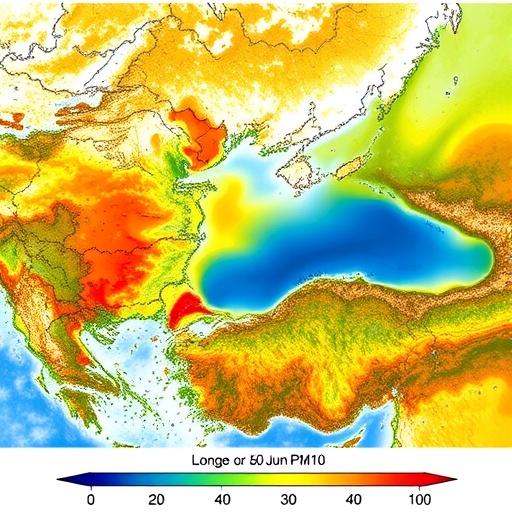
In the heart of northwestern Türkiye, a critical environmental study has unveiled insights into the long-term impacts of particulate matter (PM10) and sulfur dioxide (SO2) levels. This research provides not only a routine assessment of these pollutants but also delves into the meteorological conditions that influence their concentrations. The study stands as an important contribution to our understanding of air quality and its various determinants, shedding light on how atmospheric behavior, human activity, and geographical factors interact to shape the air we breathe.
The pressing issues surrounding air quality are increasingly recognized worldwide, with pollutants like PM10 and SO2 posing significant public health risks. PM10 refers to particulate matter with a diameter of 10 micrometers or smaller, which can infiltrate the respiratory system and lead to various health problems. Meanwhile, sulfur dioxide, a gas produced primarily by volcanic eruptions and industrial processes, can result in severe respiratory issues and contribute to acid rain formation. The collaboration of these two significant pollutants indicates a compounded threat to both human health and environmental stability.
Meteorology plays a pivotal role in the behavior and distribution of these pollutants. In northwestern Türkiye, researchers found that specific meteorological conditions such as temperature inversions significantly influence pollutant concentrations. Temperature inversions often occur during the winter months when warm air traps cold air, leading to stagnation of air masses. This phenomenon resulted in elevated levels of PM10 and SO2, emphasizing the importance of meteorological monitoring as a tool to predict air quality issues.
The study also examined potential sources of PM10 and SO2 in the region, tracing their origins to both local and transboundary contributors. Industrial activity, urban traffic, and agricultural practices were highlighted as primary sources of pollution. However, the research demonstrated that neighboring countries also play a role, especially during certain weather patterns that facilitate long-range transportation of pollutants. This revelation underscores the importance of regional cooperation in addressing air quality concerns, as air does not adhere to geopolitical boundaries.
Statistical analyses in this study reveal concerning trends regarding the concentrations of PM10 and SO2 over the years. Notably, despite efforts to curb emissions, certain regions have seen persistent levels of pollution. This is largely attributable to ongoing industrial activities and a lack of stringent enforcement of environmental regulations. The findings serve as a wake-up call, underscoring the necessity for a collaborative approach involving policymakers, health professionals, and environmental scientists to tackle these challenges effectively.
Public health impacts stemming from poor air quality are profound. Increased cases of asthma, cardiovascular diseases, and other respiratory ailments persist in areas with high PM10 and SO2 levels. The connections established in this research highlight the urgent need for comprehensive awareness campaigns aimed at educating communities about the health risks associated with air pollution. These campaigns should mobilize public support for initiatives aimed at improving air quality standards and implementing clean technologies.
The study’s implications extend beyond environmental health, affecting economic stability as well. Poor air quality can hinder productivity, increase healthcare costs, and diminish overall quality of life. Industries reliant on a healthy workforce must recognize that investing in clean air initiatives is not merely a regulatory obligation but also an economic necessity. Addressing pollution is crucial for sustainable development, particularly in regions facing economic pressures.
In conclusion, this long-term assessment conducted by Mutlu has illuminated the critical link between meteorological conditions and air pollutant levels in northwestern Türkiye. The study emphasizes the complex nature of air quality management and the awareness needed to address it holistically. By fostering collaborative efforts among various stakeholders, including governments, researchers, and communities, we can pave the way for cleaner air across the regio.
As climatic conditions continue to shift and industries evolve, the insights provided by this research will become increasingly relevant. The intersections of environmental science, public health, and economic policy cannot be understated. Equally, as individuals and communities, embracing sustainable practices and becoming informed advocates for our environment can significantly contribute to improving air quality.
To summarize, the long-term surveillance of PM10 and SO2 levels built upon meteorological assessments will be critical in evaluating future air quality trends. The commitment to addressing the root causes of air pollution will not only benefit health outcomes but will also help secure a sustainable and economically viable future. The lessons learned from this study could resonate far beyond Türkiye’s borders, providing a model for other regions facing similar environmental challenges.
The ongoing dialogue surrounding air quality illustrates a collective urgency to prioritize environmental health as a core component of public policy. With the foundational work laid out by Mutlu and the commitment of global communities, there lies a significant opportunity to cultivate a legacy of cleaner air for future generations.
Cite Scienmag News
Russell Cooper. (December 2, 2025). Long-term Analysis of PM10 and SO2 in Northwestern Türkiye. Scienmag. https://scienmag.com/long-term-analysis-of-pm10-and-so2-in-northwestern-turkiye/
Russell Cooper. "Long-term Analysis of PM10 and SO2 in Northwestern Türkiye." Scienmag, 2 December 2025, https://scienmag.com/long-term-analysis-of-pm10-and-so2-in-northwestern-turkiye/. Accessed 4 September 2026.
Russell Cooper. "Long-term Analysis of PM10 and SO2 in Northwestern Türkiye." Scienmag. December 2, 2025. https://scienmag.com/long-term-analysis-of-pm10-and-so2-in-northwestern-turkiye/


