


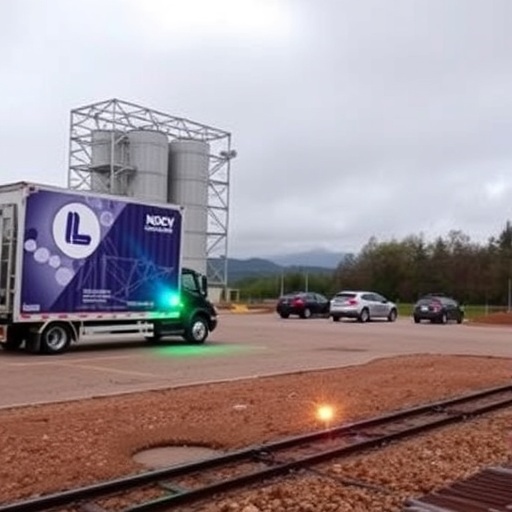
The pressing concern regarding orphan radioactive sources poses significant risks to environmental safety across vast regions. In a groundbreaking study, researchers Ardiny and Beigzadeh delve deep into the nuances of this issue, presenting a multi-sensor fusion approach designed to enhance the localization and identification of these hazardous materials. As the world grapples with the implications of nuclear technology and its potential for misuse, this research takes on an urgent importance, seeking solutions that integrate advanced technology with environmental protection.
Orphan radioactive sources are those materials that have been abandoned or lost and often lie undiscovered in areas not properly monitored for radiation. Their presence can lead to catastrophic environmental consequences, as these materials can emit harmful radiation, contaminating the surrounding land and posing severe health risks to anyone unwrittenly coming into contact with them. Thus, the need for an efficient means of detecting and identifying these sources cannot be overstated. This study lays the groundwork for utilizing technology to tackle this growing problem.
One of the Celine aspects of the study is the introduction of a multi-sensor fusion approach, which leverages various technological capabilities to detect radioactive emissions effectively. This method incorporates multiple sensors, including radiation detectors, geolocation devices, and possibly even drone technology, to create a comprehensive system that can operate over large expanses of land. By fusing the data gathered from these different sensors, the researchers aim to increase accuracy in locating orphan radioactive sources that might otherwise evade discovery.
The operational framework proposed by Ardiny and Beigzadeh hinges on the synergy between various technological components. For instance, the integration of advanced algorithms with real-time data collection allows for swift analysis and interpretation of results, streamlining the localization process. Such precision in identifying and pinpointing radioactive sources is essential not only for immediate response efforts but also for preventive measures in environmental management. The research illustrates how assessing the spatial distribution of orphan radioactive materials can vastly improve safety protocols in affected regions.
Another critical element in this research is addressing the communication protocols between sensors. Effective data sharing and synchronization among technologies can significantly enhance the overall efficiency of detecting orphan radioactive sources. The study emphasizes the importance of creating a unified system wherein each sensor feeds into a central nexus of information. This communication network enhances situational awareness, allowing teams to respond rapidly and effectively to detected threats.
The potential applications of this research extend beyond mere detection. By employing the proposed multi-sensor fusion approach, environmental agencies can develop robust frameworks for risk assessment. This allows for a better understanding of the potential impact of orphan radioactive sources on the surrounding areas, thereby informing regulatory guidelines and safety measures. In an age where environmental risks are becoming increasingly complex, the research stands out as a beacon for proactive management strategies.
Moreover, Ardiny and Beigzadeh’s investigation serves as a springboard for further scholarly inquiry into the field of radiation safety and environmental health. The interplay between technological advancement and environmental protection is a pressing issue that this study addresses uniquely. With advancements in artificial intelligence and machine learning on the horizon, the methods laid out in this research could see significant evolution, potentially revolutionizing how we approach environmental hazards.
As teams of scientists and scholars rally around the findings of this study, it is essential to recognize the overarching implications of the research. The effective localization and identification of orphan radioactive sources could breathe new life into the field of environmental safety, inspiring innovations that tackle not only existing problems but also preempt future crises. It reflects a growing understanding that our environmental challenges require multifaceted solutions, drawing upon the best that technology has to offer.
The international community must pay heed to the insights presented in this study. Collaborative efforts among nations can enhance data-sharing protocols and create cooperative frameworks to mitigate the risks posed by orphan radioactive sources. Through global awareness and proactive action, the findings of Ardiny and Beigzadeh could lead to improved safety standards, better public health outcomes, and a sustainable approach to nuclear material management in diverse regions.
In conclusion, the study by Ardiny and Beigzadeh elucidates the critical need for innovative solutions in environmental safety concerning orphan radioactive sources. Their multi-sensor fusion approach presents a technological blueprint that can usher in a new era of proactive measures against environmental risks. With the implications of this research reaching far beyond the confines of academic discourse, environmental agencies and regulatory bodies must take a cue from these findings and implement strategies that reflect a comprehensive understanding of the intersection between technology and environmental stewardship.
By navigating through the intricacies of this study, we open the door to new dialogues about the vital role of technology in safeguarding our environment. As scientific research continues to propel our understanding of radiation safety, it is imperative that we act on these insights, ensuring that the lessons learned guide us toward a future where environmental risks are adequately managed and mitigated.
Ardiny, H., Beigzadeh, A. Mitigating environmental risks from orphan radioactive sources in large areas: a multi-sensor fusion approach for enhanced localization and identification. Environ Sci Pollut Res (2025). https://doi.org/10.1007/s11356-025-37249-8
Cite Scienmag News
Violet Maxwell. (December 2, 2025). Enhancing Detection of Orphan Radioactive Sources Safely. Scienmag. https://scienmag.com/enhancing-detection-of-orphan-radioactive-sources-safely/
Violet Maxwell. "Enhancing Detection of Orphan Radioactive Sources Safely." Scienmag, 2 December 2025, https://scienmag.com/enhancing-detection-of-orphan-radioactive-sources-safely/. Accessed 6 September 2026.
Violet Maxwell. "Enhancing Detection of Orphan Radioactive Sources Safely." Scienmag. December 2, 2025. https://scienmag.com/enhancing-detection-of-orphan-radioactive-sources-safely/


