


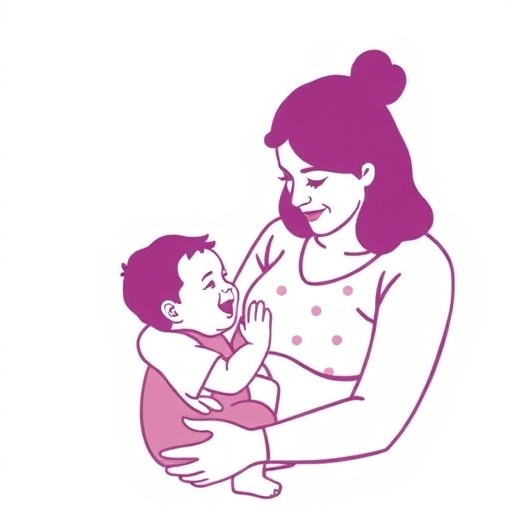
In recent years, the mental health of new mothers has garnered significant attention, particularly in the context of postnatal care. The importance of addressing mental health issues during the postnatal period cannot be overstated, as it is crucial for the well-being of both mothers and their infants. Amidst mounting evidence indicating that mental health problems are prevalent among new mothers, researchers have been striving to establish effective frameworks that facilitate access to postnatal mental healthcare. A compelling study undertaken by Rowe et al. has proposed a novel stepped-care model aimed at improving access to mental health services for postpartum women.
The approach suggested by Rowe and colleagues outlines a systematic framework based on the Theory of Change. This model is designed to facilitate incremental access to mental health services in a stepped manner, providing mothers with tailored support based on their unique needs. The Theory of Change approach emphasizes the importance of understanding the pathways through which mental health interventions can lead to positive outcomes. By mapping these connections, the framework aims to create a robust foundation for developing effective mental health programs that cater to the multifaceted needs of new mothers.
Postnatal mental health disorders can range from mild anxiety to severe depression, each impacting a mother’s ability to care for herself and her infant. With approximately one in five mothers experiencing mental health issues after childbirth, the necessity for structured support systems becomes crucial. However, many women face barriers such as stigma, lack of awareness, and inadequate resources, preventing them from seeking help. The stepped-care model addresses these barriers by providing a range of services that can be accessed progressively, depending on the severity of the symptoms and individual circumstances.
The model encourages early intervention, which is vital for improving outcomes for mothers and their children. Mothers experiencing mild symptoms may only require initial counseling or support groups, whereas those with moderate to severe symptoms may need more frequent and intensive psychological interventions. By creating a flexible and adaptive approach, the model affords mental healthcare providers the opportunity to meet mothers where they are, thereby improving engagement and compliance with treatment.
Implementation of such a model not only benefits mothers but could also alleviate the burden on mental health services. With a tiered approach, the model allows for the optimization of available resources, ensuring that women with more severe needs receive the specialized care they require, while those with milder symptoms can access lighter-touch support options. This could potentially enhance overall service delivery and create a more efficient healthcare system.
Furthermore, Rowe et al.’s study underscores the need for an integrated framework that aligns healthcare professionals, policymakers, and women’s health advocates. Collaboration among these groups is pivotal for the successful rollout of a stepped-care model. By fostering partnerships, the implementation process can be streamlined, ensuring that all stakeholders work cohesively towards a common goal. Such an integrated approach can enhance referral pathways, build trust within communities, and provide women with the requisite information to make informed decisions about their mental health care.
In addition to improving access, the model also places a strong emphasis on continuous evaluation and adjustment of the interventions being offered, which is critical for maintaining their relevance and effectiveness. Continuous feedback loops will allow health service providers to adapt their offerings to meet the evolving needs of mothers, ensuring that they receive the appropriate level of care at each stage of their postnatal journey. Evaluation processes need to be robust, allowing for analysis of what works and what does not within the framework.
Equally important is the focus on mental health awareness and education within the community. Rowe and her colleagues advocate for intensified efforts to raise awareness among new mothers about the prevalence and signs of postnatal mental health issues. Equipping mothers and their families with knowledge will empower them to seek help sooner, addressing potential problems before they escalate. This proactive approach can significantly contribute to reducing the stigma associated with mental health challenges and encourage women to prioritize their emotional well-being.
In essence, the study presents a forward-thinking perspective on a critical issue that affects countless women worldwide. The proposed stepped-care model harnesses the Theory of Change to create a cohesive and adaptable framework for postnatal mental health care. This innovative approach has the potential to revolutionize how mental health services are delivered to new mothers, making them more accessible and effective.
Ultimately, Rowe et al.’s work is a call to action for mental health stakeholders to embrace a structured, evidence-based model that acknowledges the unique challenges faced by postpartum women. A collective effort is necessary to dismantle barriers and enhance access to the necessary support, ensuring that mothers can enjoy healthier mental states as they embark on the journey of motherhood. The future of postnatal mental health care rests on such proactive approaches, bringing hope and healing to women during a pivotal time in their lives.
The findings presented in this research serve as an integral part of the conversation around postpartum mental health and highlight the urgent need for tailored, responsive care. As more studies like this emerge, there may be a shift towards recognizing and addressing mental health issues in a manner that is both compassionate and evidence-based, contributing to the well-being of mothers and their families for generations to come. The implications of the work of Rowe et al. are far-reaching, and its successful implementation could mark a watershed moment in the landscape of maternal mental health.
Rowe, H., Fisher, J., Meggetto, E. et al. Working toward a stepped-care model of postnatal mental healthcare to improve access: the Theory of Change approach.
BMC Health Serv Res 25, 1544 (2025). https://doi.org/10.1186/s12913-025-13629-1
Cite Scienmag News
Glenn Wilkins. (December 1, 2025). Enhancing Postnatal Mental Health: A Stepped-Care Approach. Scienmag. https://scienmag.com/enhancing-postnatal-mental-health-a-stepped-care-approach/
Glenn Wilkins. "Enhancing Postnatal Mental Health: A Stepped-Care Approach." Scienmag, 1 December 2025, https://scienmag.com/enhancing-postnatal-mental-health-a-stepped-care-approach/. Accessed 6 September 2026.
Glenn Wilkins. "Enhancing Postnatal Mental Health: A Stepped-Care Approach." Scienmag. December 1, 2025. https://scienmag.com/enhancing-postnatal-mental-health-a-stepped-care-approach/


