


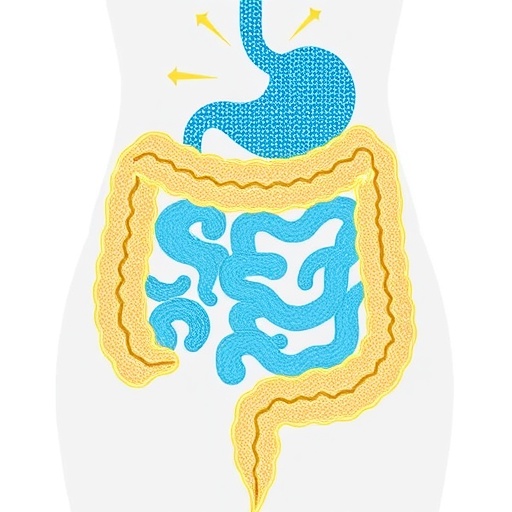
Recent research published in BMC Endocrine Disorders has shed light on the intricate relationship between gut microbiota dysbiosis and a particular type of polycystic ovary syndrome (PCOS), characterized by phlegm-dampness. The study conducted by Xia et al. utilizes advanced 16S rRNA sequencing analysis to unearth how disruptions in gut microbial communities correspond with the depletion of short-chain fatty acids (SCFAs), crucial bioactive compounds implicated in various health aspects. This is particularly relevant as PCOS is a prevalent endocrine disorder affecting a significant proportion of women worldwide.
The findings highlight a disturbing trend in the gut microbiomes of individuals diagnosed with phlegm-dampness PCOS, displaying distinct differences when compared to healthy control subjects. Such microbiotic alterations may play a pivotal role in the pathogenesis of this syndrome. With a growing body of evidence supporting the gut-brain axis theory, an increasing focus is being placed on how these microflora influence metabolic and reproductive functions, thus drawing a vital connection between the gut’s ecology and ovarian health.
Integral to the study is the comprehensive analysis of microbial diversity and abundance. The researchers noted that specific bacterial families associated with the production of SCFAs were significantly reduced in the gut microbiota profile of subjects with phlegm-dampness PCOS. SCFAs, produced by the fermentation of dietary fibers, are known for their anti-inflammatory properties and their role in modulating metabolic pathways. A deficiency in these compounds could potentially exacerbate insulin resistance often linked with this imperfection in reproductive health.
The implications of microbiota dysbiosis extend beyond the mere presence of fewer beneficial bacteria; they touch almost every aspect of metabolic syndrome. In the case of PCOS, this contributes to an increased risk for cardiovascular disease, type 2 diabetes, and other metabolic disorders. Consequently, investigating the microbiome’s contribution to these metabolic dysfunctionalities could inspire novel therapeutic strategies focusing on nutrition and microbiome modulation.
Moreover, the study reinforces the growing concept that personalized medicine should incorporate a patient’s microbiota profile into treatment plans. Fueled by the notion that no two microbiomes are identical, targeted interventions via dietary adjustments or probiotic supplementation may offer effective management tools for individuals grappling with PCOS. Researchers are now calling for more extensive longitudinal studies to not only confirm these cross-sectional findings but also explore the causative relationships between microbiota dynamics and symptoms of PCOS.
As we dive deeper into understanding the human microbiome landscape, complex interactions unfold revealing the harmonies, as well as disruptions, in this ecosystem. The significance of SCFAs, not just as energy sources but as mediators of systemic inflammation and metabolism, positions them as targets for future research. With the study underscoring the importance of gut health in managing reproductive health challenges, it invariably raises awareness of the potential for preventive measures within dietary practices.
This novel angle presents an opportunity for patients diagnosed with phlegm-dampness PCOS to explore integrative approaches, emphasizing gut microbial health as a keystone to overall wellness. The authors suggest that patients could benefit from adopting diets rich in prebiotics and probiotics which enhance SCFA production, steering their health towards a more balanced state.
The research also invites clinicians to reassess their strategies in treating PCOS, advocating for a multidimensional approach that encompasses not only hormonal regulation but also lifestyle and dietary modifications. The inclusion of gut microbiome assessments could refine therapeutic routes, ensuring they are personalized to align with each patient’s unique microbiota composition.
In conclusion, this groundbreaking study may alter the clinical landscape for managing phlegm-dampness PCOS, inviting a shift towards gut microbiome-focused treatment methodologies. With the enthusiasm surrounding microbiome research, it’s evident that the relationship between gut health and reproductive endocrine function warrants a deepened inquiry, positioning itself as a front line in combating common women’s health issues such as PCOS.
As science continues to unravel the mysteries of our microbial companions, illuminating their vast reach into critical areas of health, we stand on the threshold of tremendous possibilities. Future research aimed at elucidating the intricate interactions within the gut microbiome and their implications on hormonal regulation will undoubtedly be critical as we seek to solve the complex puzzle that is polycystic ovary syndrome.
The relevance of this study is underscored by its potential to ignite conversations not only among healthcare professionals but also within communities affected by PCOS, fostering awareness and engagement in exploring preventive health measures. As we continue to learn more about the repercussions of gut dysbiosis and its role in chronic health conditions, the pathway toward healthier futures for women becomes increasingly illuminated.
Cite Scienmag News
Morgan Morrow. (December 1, 2025). Gut Microbiome Imbalance Linked to PCOS Symptoms. Scienmag. https://scienmag.com/gut-microbiome-imbalance-linked-to-pcos-symptoms/
Morgan Morrow. "Gut Microbiome Imbalance Linked to PCOS Symptoms." Scienmag, 1 December 2025, https://scienmag.com/gut-microbiome-imbalance-linked-to-pcos-symptoms/. Accessed 4 September 2026.
Morgan Morrow. "Gut Microbiome Imbalance Linked to PCOS Symptoms." Scienmag. December 1, 2025. https://scienmag.com/gut-microbiome-imbalance-linked-to-pcos-symptoms/


