


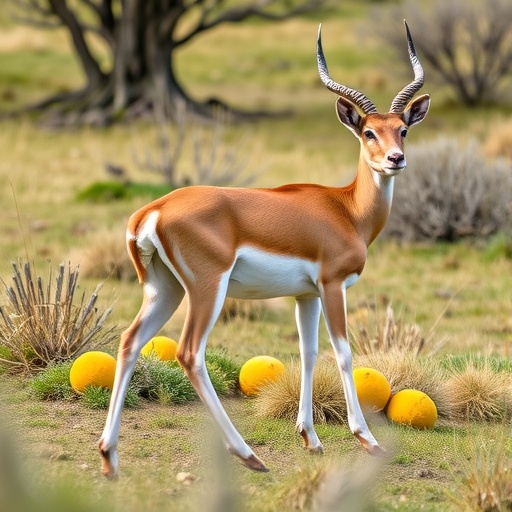
In a groundbreaking study published in BMC Genomics, researchers have unveiled significant insights into the genetic diversity and structure of the Mongolian gazelle, scientifically known as Procapra gutturosa. The study primarily focuses on the impacts of habitat fragmentation on this remarkable species, which roams the vast grasslands of Mongolia. As the pressures of human development continue to encroach upon natural habitats, understanding the genetic makeup of vulnerable populations has never been more crucial for conservation efforts.
The Mongolian gazelle, a species emblematic of the steppes, is characterized by its swift movements and migratory patterns. This study, led by Gao et al., sheds light on how fragmentation of their natural habitats poses a serious threat not only to their physical existence but also to their genetic diversity. As ecosystems evolve or degrade, the genetic health of species like the Mongolian gazelle can become compromised, leading to reduced adaptability and resilience to changing environmental conditions.
Habitat fragmentation, caused by agriculture, infrastructure development, and urbanization, disrupts the connectivity of gazelle populations. This research reveals that fragmented habitats can lead to isolated groups, thus reducing opportunities for genetic exchange. The resulting genetic bottleneck can severely limit the potential for populations to adapt to future challenges, such as climate change or emerging diseases, making the understanding of their genetic structure paramount.
In this study, researchers employed advanced genetic analysis techniques to explore the genetic variations among different gazelle populations across fragmented landscapes. By utilizing both microsatellite markers and next-generation sequencing, Gao and colleagues painted a detailed picture of the genetic landscape of Procapra gutturosa. The findings show that populations within more connected habitats exhibited greater genetic diversity compared to those in isolated regions.
Moreover, the study found distinct genetic signatures within various populations, indicating that historical factors have shaped the current gene flow among groups of Mongolian gazelles. Environmental changes over millennia, coupled with human-induced fragmentation, have created a complex tapestry of genetic variation that reflects both adaptation and isolation. These findings highlight the importance of considering historical context when assessing the genetic health of a species within a changing environment.
Furthermore, the study emphasizes the need for targeted conservation strategies. By understanding which populations are genetically vulnerable due to fragmentation, conservationists can develop measures that not only protect the gazelles’ habitats but also facilitate genetic exchange. This may involve creating wildlife corridors to reconnect isolated populations, enabling them to intermingle and enhance their genetic diversity.
The implications of this research extend beyond the Mongolian gazelle itself. The study serves as a crucial reminder of the interconnectedness of biodiversity and the health of ecosystems. Maintaining genetic diversity is not merely an academic concern; it is instrumental in ensuring that species can thrive in the face of adversity. The genetic health of the Mongolian gazelle can, therefore, serve as a crucial indicator of the overall health of the steppe ecosystem.
The research also raises broader questions about the impact of climate change on genetic diversity. As temperature patterns shift and precipitation changes, the very landscapes that the gazelles depend on for survival may transform. This underscores the need for ongoing research and monitoring of genetic structures across various species as they navigate an increasingly fragmented and altered world.
As Gao et al. conclude, the preservation of genetic diversity is essential not only for the survival of the Mongolian gazelle but for the future of global biodiversity as well. By recognizing the threats posed by habitat fragmentation and taking proactive measures, we can help safeguard the genetic and ecological integrity of vulnerable species.
In conclusion, this remarkable study serves as a clarion call for conservationists, researchers, and policymakers alike. By elevating the often-overlooked narrative of genetic diversity and the pressing need for habitat connectivity, Gao et al. have provided a vital roadmap for future research and conservation initiatives. As the world continues to grapple with the consequences of environmental change, prioritizing the preservation of genetic diversity must remain at the forefront of conservation efforts.
The ongoing plight of the Mongolian gazelle encapsulates a broader environmental story where the interactions between species, their habitats, and human activities become increasingly complex. It is crucial for society to engage with these issues, demonstrating a collective responsibility to preserve not only iconic species like the Mongolian gazelle but also the intricate web of life that sustains our planet.
In light of these extensive findings, it will be increasingly important to communicate insights gained from the study to the public and relevant stakeholders. Raising awareness about the critical state of the Mongolian gazelle and the role genetic diversity plays in conservation efforts can help inspire action and support for sustainable land-use policies that prioritize ecosystem health.
By strengthening conservation strategies based on genetic findings, we not only give the Mongolian gazelle a fighting chance but also contribute to the resilience of the ecosystems that are vital to all life on Earth.
Gao, S., Zhou, D., Zhou, Z. et al. Genetic diversity and structure of Mongolian gazelle (Procapra gutturosa) in fragmented habitats. BMC Genomics (2025). https://doi.org/10.1186/s12864-025-12197-2
Cite Scienmag News
Juliet Wilcox. (December 1, 2025). Mongolian Gazelle’s Genetic Diversity in Fragmented Habitats. Scienmag. https://scienmag.com/mongolian-gazelles-genetic-diversity-in-fragmented-habitats/
Juliet Wilcox. "Mongolian Gazelle’s Genetic Diversity in Fragmented Habitats." Scienmag, 1 December 2025, https://scienmag.com/mongolian-gazelles-genetic-diversity-in-fragmented-habitats/. Accessed 5 September 2026.
Juliet Wilcox. "Mongolian Gazelle’s Genetic Diversity in Fragmented Habitats." Scienmag. December 1, 2025. https://scienmag.com/mongolian-gazelles-genetic-diversity-in-fragmented-habitats/


